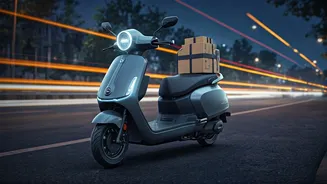






The Electric Bottleneck in Last-Mile Delivery
The shift to electric vehicles (EVs) for last-mile delivery is no longer a question of 'if' but 'how fast'. Driven by soaring fuel costs, government incentives, and corporate sustainability goals, companies are rapidly electrifying their fleets. [23,
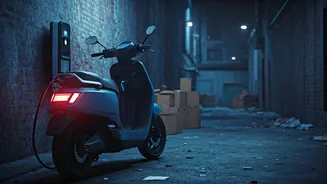
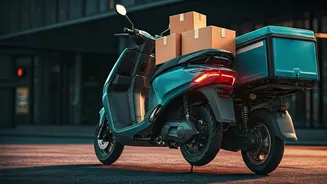
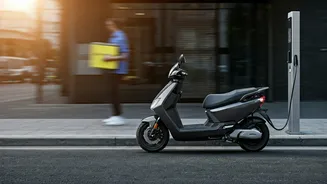
21] For delivery partners, the lower running costs of an EV can mean saving thousands of rupees a month, a significant boost to their income. [21] However, this transition is hitting a major speed bump: charging. [25] For a delivery driver, time is money. Every minute spent searching for a charger, waiting in a queue, or simply being tethered to a wall socket for hours is a minute they aren't earning. [20] Public charging infrastructure is often unreliable or slow, and largely concentrated in city centres, leaving many on the sidelines. [24] This downtime directly impacts fleet efficiency and a driver's potential earnings, turning a promising solution into a daily frustration. [20, 23]
The Rise of On-Demand Energy
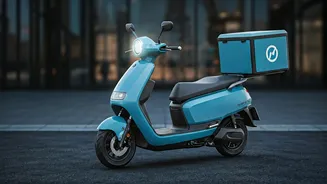
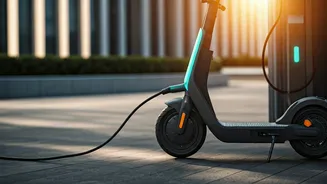
To solve the downtime dilemma, a new ecosystem of 'charging help' is emerging, moving beyond the fixed plug on the wall. The most prominent solution in India, especially for two- and three-wheelers, is battery swapping. [9] Companies like SUN Mobility, Battery Smart, and Yuma Energy are building dense networks of swap stations where a driver can replace a depleted battery with a fully charged one in minutes—often faster than refueling a petrol vehicle. [2, 3, 9] This model, known as Battery-as-a-Service (BaaS), dramatically reduces the upfront cost of an EV, as the customer no longer needs to purchase the expensive battery pack. [3, 9] It effectively eliminates both range anxiety and charging downtime, allowing drivers to keep moving and earning. [9]
Mobile Charging Brings the Power to the Fleet
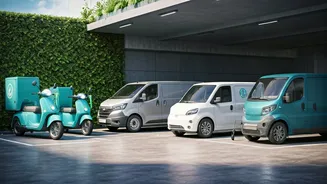
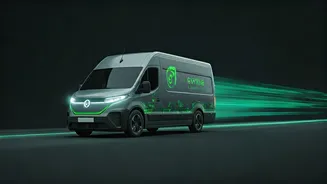
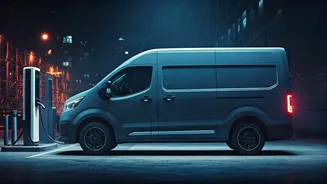
For larger delivery vans and commercial vehicles, another innovation is gaining traction: mobile charging. This involves bringing the charger to the vehicle, rather than the other way around. [6] Services like SparkCharge and Power Edison operate trucks or trailers equipped with large batteries and fast chargers. [4, 7] These mobile hubs can be deployed to a depot, a parking lot, or wherever a fleet is stationed, charging multiple vehicles overnight or during breaks without needing permanent, costly grid infrastructure. [6, 7] This is particularly useful for fleets that are just starting to electrify or operate in areas where grid upgrades could take months or years. [7] By providing flexible, on-demand DC fast charging, these services ensure that delivery fleets can maintain high uptime and operational readiness. [4, 10]
A Recharged Workday for the Delivery Economy
These new charging models are set to fundamentally change the nature of delivery work. For the gig worker, the impact is immediate. Instead of structuring their day around a charging station's availability, they can rely on a two-minute swap to get back on the road. [9] This increased efficiency translates directly to more deliveries per shift and higher potential earnings. [18] For fleet operators, the benefits are systemic. Battery swapping and mobile charging reduce the massive capital expenditure and logistical headaches associated with installing and managing private charging depots. [23, 26] Furthermore, integrated tech platforms provide real-time data on battery health and usage, enabling predictive maintenance and optimised fleet management, which further reduces downtime. [18, 19] The result is a more resilient, efficient, and profitable logistics network, from the individual rider to the multinational corporation. [13]