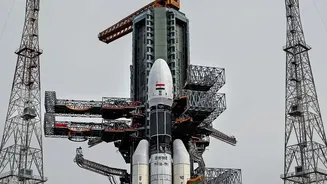




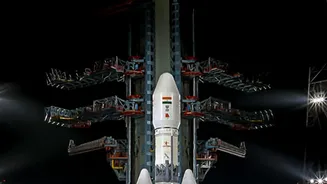
A New Space Race Fueled by Startups
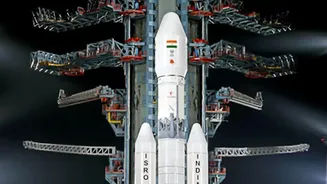
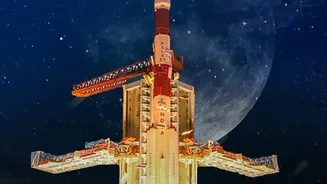
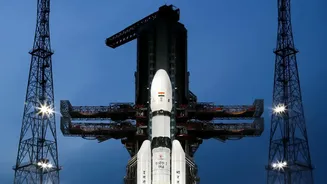
For decades, India's journey to the stars was almost exclusively steered by the Indian Space Research Organisation (ISRO). However, landmark policy reforms starting in 2020 have unlocked the sector for private enterprise. The establishment of IN-SPACe
(Indian National Space Promotion and Authorisation Centre) created a single-window interface for private companies, igniting a startup explosion. Today, there are over 400 private space-tech startups in India, a dramatic increase from just a handful before 2020. This has transformed the industry from a government-led program into a vibrant, commercially-driven market projected to be worth $44 billion by 2033. This growth is creating a wave of new employment opportunities, with the sector already directly supporting around 96,000 jobs.
The Data Gurus and Software Wizards
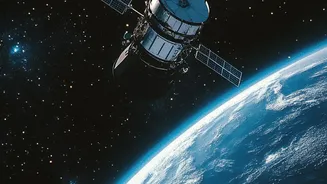
Modern space exploration is as much about code and data as it is about rockets. A significant portion of the new jobs are in what's known as the "downstream" sector, which focuses on using data collected from satellites. Companies like SatSure and Pixxel are fundamentally data companies, using satellite imagery to provide intelligence for agriculture, climate monitoring, urban planning, and insurance. This has created immense demand for data scientists, geospatial analysts with GIS skills, and AI and machine learning engineers who can build predictive models from vast datasets. Proficiency in programming languages like Python and C++ is now essential for everything from flight software and ground control systems to analysing mission data.
The Makers, Builders, and Technicians
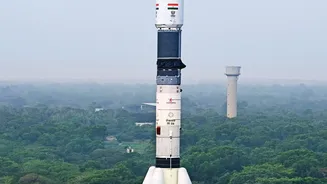
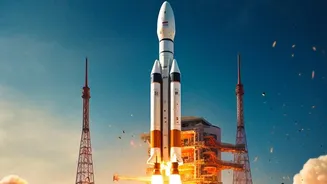
While data is crucial, you still need the hardware. The boom in private satellite manufacturing and launch vehicle development has reignited demand for core engineering talent. Companies like Skyroot Aerospace and Agnikul Cosmos are hiring aerospace, mechanical, and electronics engineers to design, build, and test rockets and satellites. But the need goes deeper, encompassing manufacturing engineers, robotics experts, and technicians for assembly, integration, and testing (AIT). There's also a critical need for experts in materials science to develop the advanced, lightweight composites needed to withstand the harsh environment of space.
The Business Brains and Legal Eagles
As the space industry becomes more commercial, the goal is no longer just a successful launch; it's about building a sustainable business. This shift has created a talent gap in non-technical domains. Space companies now need financial analysts and business development managers to secure venture capital and forge commercial partnerships. They require project managers to oversee complex missions with tight deadlines and marketers to build their brands. Furthermore, the commercialisation of space has created a pressing need for space lawyers who can navigate the complex web of international treaties, domestic regulations, satellite licensing, and intellectual property.
Ground Control and Mission Support
A successful space mission relies on a huge support network on the ground. This creates a wide array of career opportunities in the ground segment. Roles include spacecraft controllers, network engineers, and mission operations strategists who plan and execute flights from control centres. The entire ecosystem also depends on a robust supply chain. Professionals in procurement, logistics, and inventory management are essential to ensure that the thousands of components needed for a single rocket or satellite arrive on time and to specification. As the industry grows, so does the need for experts who can manage these complex, high-stakes supply chains.