







The Ultimate Comfort Food
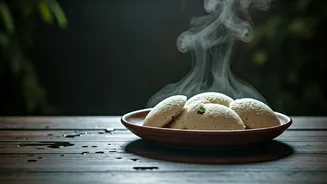
There are few sights more reassuring on a wet, dreary morning than a plate of pillowy, white idlis, glistening with a gentle sheen of steam. They arrive hot from the steamer, light as air, ready to be dunked into a bowl of fragrant, spicy sambar or scooped
up with a spoonful of fresh coconut chutney. This isn't just breakfast; it's a sensory experience. The warmth of the idli provides a perfect contrast to the cool, damp air of the monsoon. It’s a culinary hug, a simple pleasure that feels both nourishing and deeply satisfying. This pairing of a simple steamed cake with the dramatic arrival of the rains is a ritual played out in millions of homes, a tradition that signifies comfort, wellness, and the simple joys of the season.
A Tradition Rooted in Wellness
The love for idlis during the monsoon isn't just about taste or nostalgia; it’s a practice steeped in traditional wisdom. According to Ayurveda, the monsoon season is when our digestive fire, or 'agni', is at its weakest. The dampness and humidity can make digestion sluggish, leading to feelings of heaviness and bloating. This is why traditional diets recommend light, warm, and easily digestible foods during this time. Idli fits this description perfectly. Made from a fermented batter of rice and urad dal, it is steamed, not fried, making it free from excess oil. The steaming process keeps it light and moist, while the fermentation breaks down complex nutrients, making them easier for the body to absorb. It provides sustained energy without putting a strain on the digestive system, making it an ideal start to a monsoon day.
The Magic of Fermentation
The fermentation process is the secret behind the idli’s superfood status. When the batter of rice and dal is left to sit for several hours, a host of beneficial microorganisms get to work. They predigest the starches and proteins, making the idli incredibly easy on the stomach. This process also increases the bioavailability of essential nutrients like B vitamins. Furthermore, fermented foods are a natural source of probiotics, the friendly bacteria that support a healthy gut microbiome. A strong gut is the foundation of a robust immune system, which is particularly important during the monsoon when the risk of infections is higher. So, that humble plate of idlis is not just feeding you; it’s also fortifying your body’s natural defences against seasonal ailments.
The Perfect Accompaniments
An idli is rarely eaten alone. Its neutral, comforting taste makes it the perfect canvas for a variety of vibrant accompaniments that are equally well-suited for the monsoon. A piping hot bowl of sambar, packed with lentils, vegetables, and a blend of warming spices like turmeric, coriander, and asafoetida, does more than just add flavour. These spices have anti-inflammatory and antiseptic properties, helping to warm the body and ward off colds. Then there’s the chutney. Coconut chutney provides healthy fats and a cooling balance, while a spicy tomato or onion chutney can help clear congested sinuses. Together, the idli-sambar-chutney combination forms a complete, balanced, and deeply satisfying meal that aligns perfectly with the body’s needs during the rainy season.
A Unifying Culinary Ritual
While idli is a proud staple of South Indian cuisine, its appeal as the quintessential monsoon breakfast has transcended regional boundaries. From Mumbai’s street-side stalls to Delhi’s breakfast cafes, the demand for steaming hot idlis shoots up as soon as the first showers arrive. It has become a pan-Indian comfort food, a simple, healthy, and affordable meal that everyone can enjoy. This shared love for idli on a rainy day connects us, reminding us that some of life’s greatest pleasures are the simplest ones. It’s a meal that feels like home, no matter where you are.