





The Genius of a Rain-Shadow Holiday
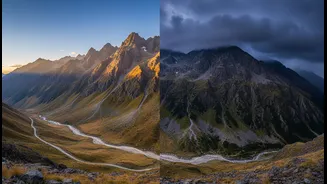
It sounds like a magic trick for weather: while one side of a mountain gets soaked, the other stays perfectly dry. This is the simple science behind a rain shadow. The towering Himalayas act as a colossal barrier, blocking the moisture-laden monsoon clouds
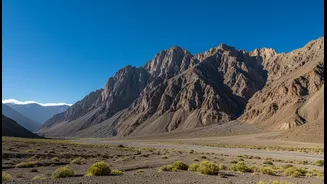
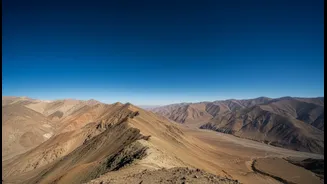
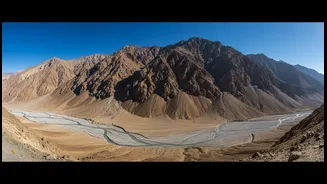
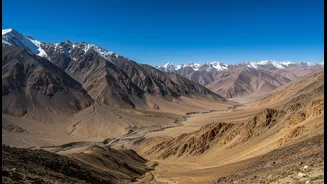
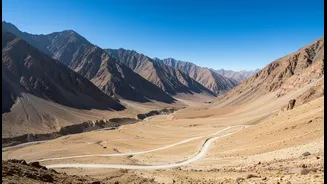
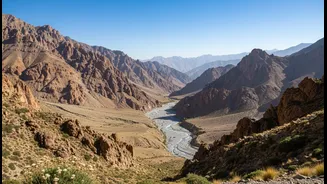
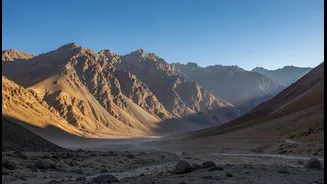
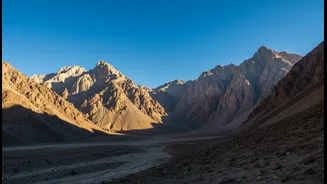
that sweep in from the south. As the clouds are forced to rise, they cool and dump their rain on the windward side. By the time the air crests the peaks and descends into regions like Ladakh and Spiti, it's dry, resulting in an arid, desert-like climate with minimal rainfall, even in the middle of July and August. This geographical quirk makes them ideal destinations for those seeking adventure without the washout.
Ladakh: The High-Altitude Desert Beckons
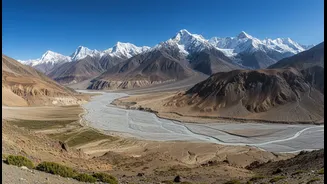
Often called 'The Land of High Passes', Ladakh's reputation as a premier adventure destination is well-deserved. During the monsoon months, it transforms into a haven of sunny days and crisp, clear nights. The relative dryness makes it the perfect time to explore its otherworldly landscapes, from the surreal blue waters of Pangong Tso to the sand dunes of the Nubra Valley. It's also a period of cultural vibrancy, with ancient monasteries like Thiksey and Hemis bustling with activity. Recent data from 2026 shows a massive surge in tourism, with arrivals growing by over 43%, confirming its status as a sought-after destination. This popularity is driven by improved connectivity and a global recognition of its unique appeal.
Spiti: A World Within a World
If Ladakh is the popular star, Spiti Valley is its more rugged, offbeat cousin. Sharing a similar rain-shadow advantage, Spiti offers a rawer, more remote experience. The journey itself, whether from Shimla or Manali, is an epic adventure through changing landscapes. Once there, the valley rewards travellers with sights like the precariously perched Key Monastery, the serene Chandratal (Moon Lake), and the world's highest post office in Hikkim. While the valley itself is dry, the approach roads can be affected by monsoon rains elsewhere, so planning with buffer days is crucial. The monsoon season often coincides with local festivals like the La Darcha Fair, providing a unique window into the region's vibrant culture.
Know Before You Go: Planning Your Trip
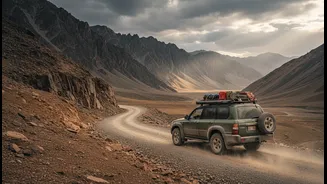
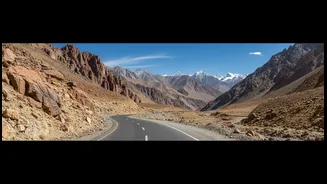
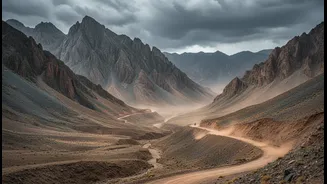
A trip to these high-altitude regions requires careful planning. Both road and air options are available to reach Leh, the main hub for Ladakh. The Srinagar-Leh and Manali-Leh highways are legendary road trip routes, both open as of July 2026. The route via Srinagar offers more gradual acclimatisation. For Spiti, the two main entry points are from Shimla via the Kinnaur valley, which stays open most of the year, or the more challenging route from Manali, which opens from late May/early June. Regardless of how you get there, the most critical factor is acclimatisation. Acute Mountain Sickness (AMS) is a serious risk at altitudes above 8,000 feet. Symptoms include headache, nausea, and dizziness. The key to prevention is to ascend slowly, stay hydrated, and allow your body a day or two to adjust before undertaking strenuous activity.
A Word on Responsible Travel
The very remoteness and fragility that make these regions so alluring also make them vulnerable. The recent surge in tourism puts a strain on local resources and the delicate ecosystem. It's vital to travel responsibly. This means minimising your environmental footprint by avoiding single-use plastics, respecting local customs and traditions, especially when visiting monasteries, and supporting local businesses and homestays. While the roads are open, they remain challenging. Landslides can occur on the approach routes, even if the valleys themselves are dry, so it is essential to stay updated on road conditions and travel with an experienced driver. A little caution and a lot of respect will ensure these Himalayan jewels remain pristine for generations to come.