


The Foundation: Fasting Flours and Grains
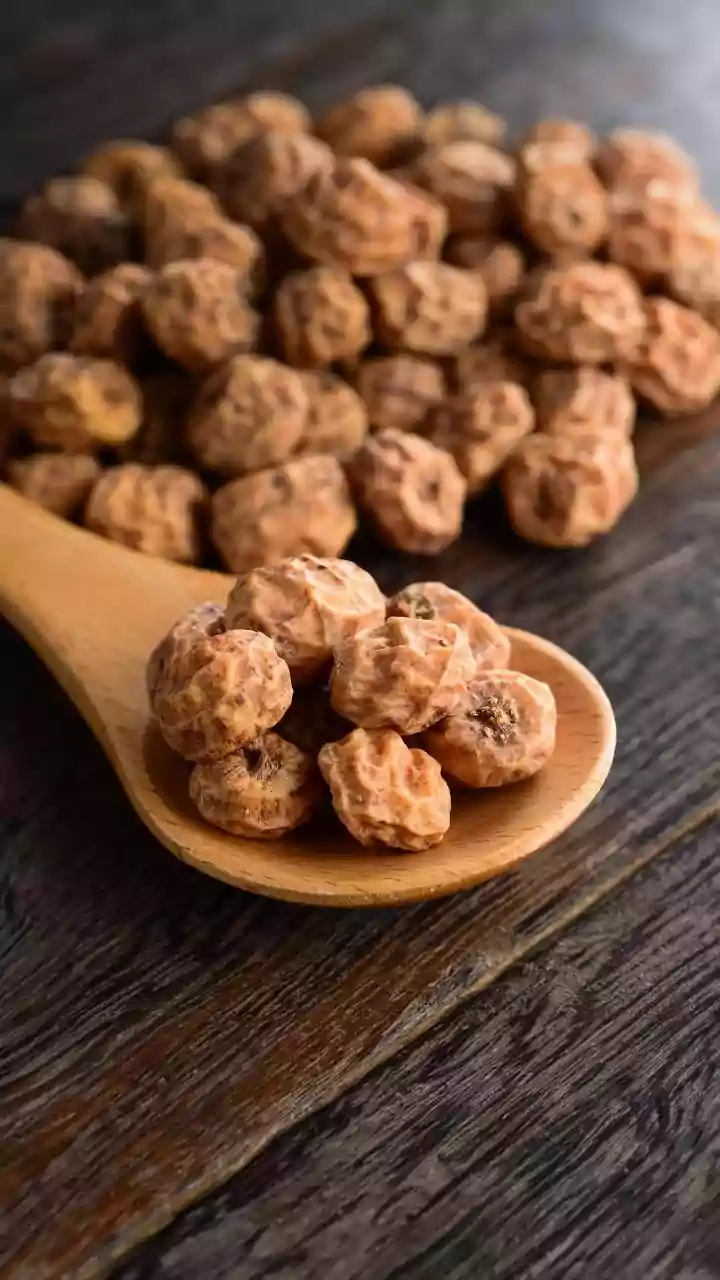
Many devotees observe a 'vrat' or fast on Janmashtami, abstaining from common grains like wheat and rice. Therefore, special 'vrat-friendly' flours are a cornerstone of the festival kitchen. Stock up on water chestnut flour (singhare ka atta) and buckwheat
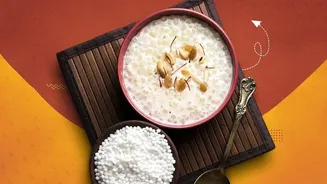
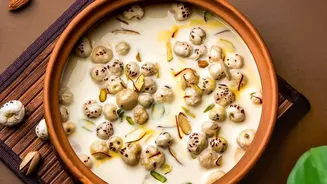
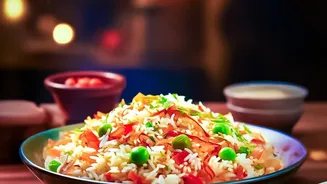
flour (kuttu ka atta), which are used to make puris, parathas, and pakoras. Amaranth flour (rajgira ka atta) and barnyard millet (sama ke chawal) are also crucial. Sama ke chawal can be used to prepare a kheer or a savoury pulao, providing a rice-like texture to fasting meals. Lastly, don't forget tapioca pearls (sabudana), the star ingredient for favourites like Sabudana Khichdi, vadas, and a creamy kheer.
Dairy Delights for the Makhan Chor
Janmashtami is a celebration of Lord Krishna, who was famously fond of milk and butter, earning him the name 'Makhan Chor' (butter thief). Consequently, dairy products are central to the prasad (offerings) and the festive menu. Full-fat milk is essential for making a variety of sweets, including Kheer, Rabri, and Kalakand. Fresh, homemade curd (yoghurt) is needed for Panchamrit, the sacred five-nectar drink, and for making cooling raitas. Of course, pure ghee (clarified butter) is the primary cooking medium, used for frying, roasting, and flavouring almost every dish, from savouries to the iconic Dhaniya Panjiri. Finally, khoya or mawa (dried milk solids) and fresh white butter (makhan) are indispensable for creating rich pedas and the quintessential Makhan Mishri offering.
Sweeteners, Nuts, and Aromatics
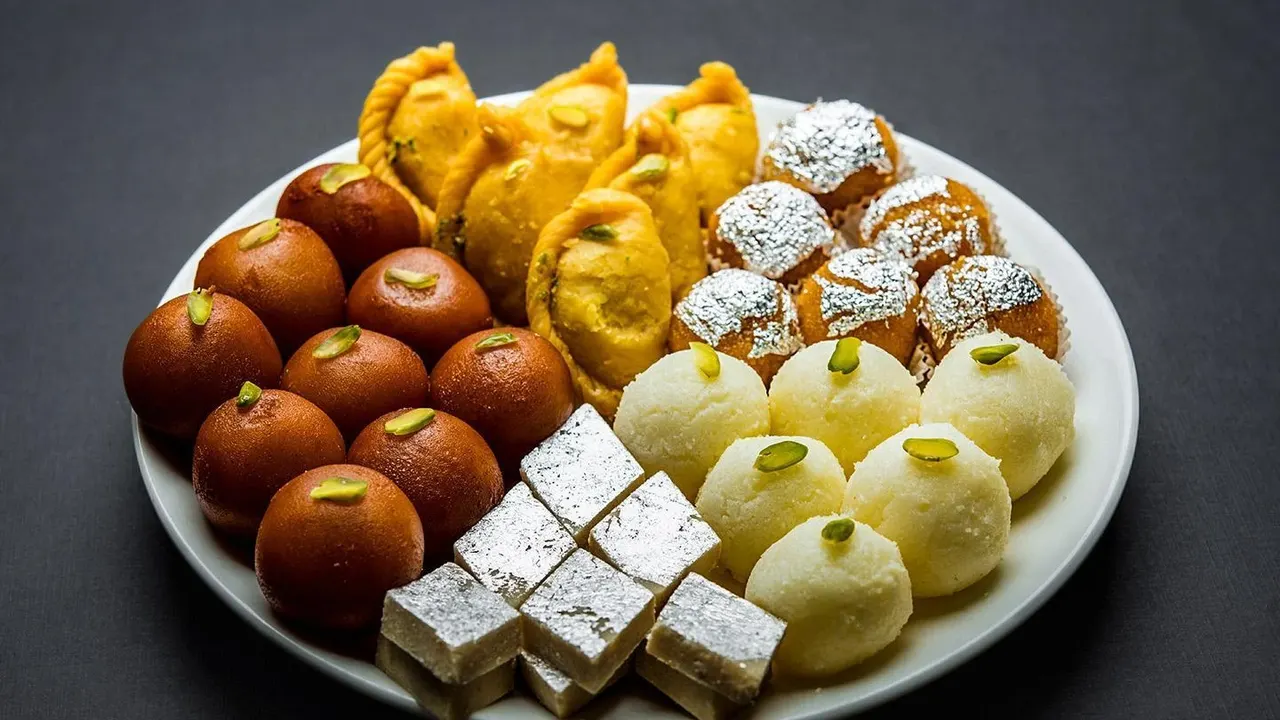
No festival is complete without sweets, and Janmashtami is no exception. Sugar is a primary ingredient, but have jaggery (gur) on hand as well, which is used in traditional preparations like Aval Ladoo (poha laddu). For the most important offering of Makhan Mishri, you will need rock sugar (mishri). To bring fragrance and flavour to your sweets, ensure you have green cardamom pods or powder and a few strands of saffron (kesar). A generous assortment of nuts and dried fruits is also a must. Stock up on almonds, cashews, pistachios, raisins, and chironji (charoli). These are not only used as garnish but are often key ingredients in Panjiri, laddoos, and kheers. Dried coconut, both grated and sliced, is another versatile component for sweets.
Essentials for Savoury Vrat Dishes
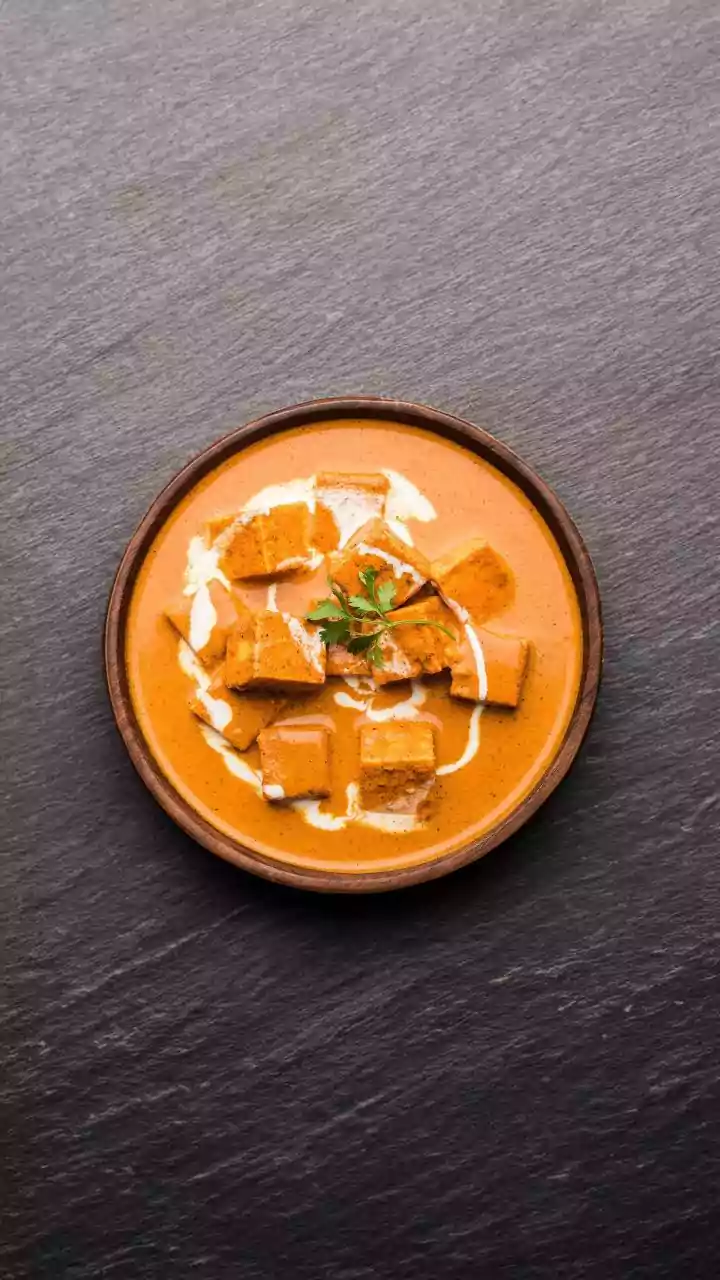
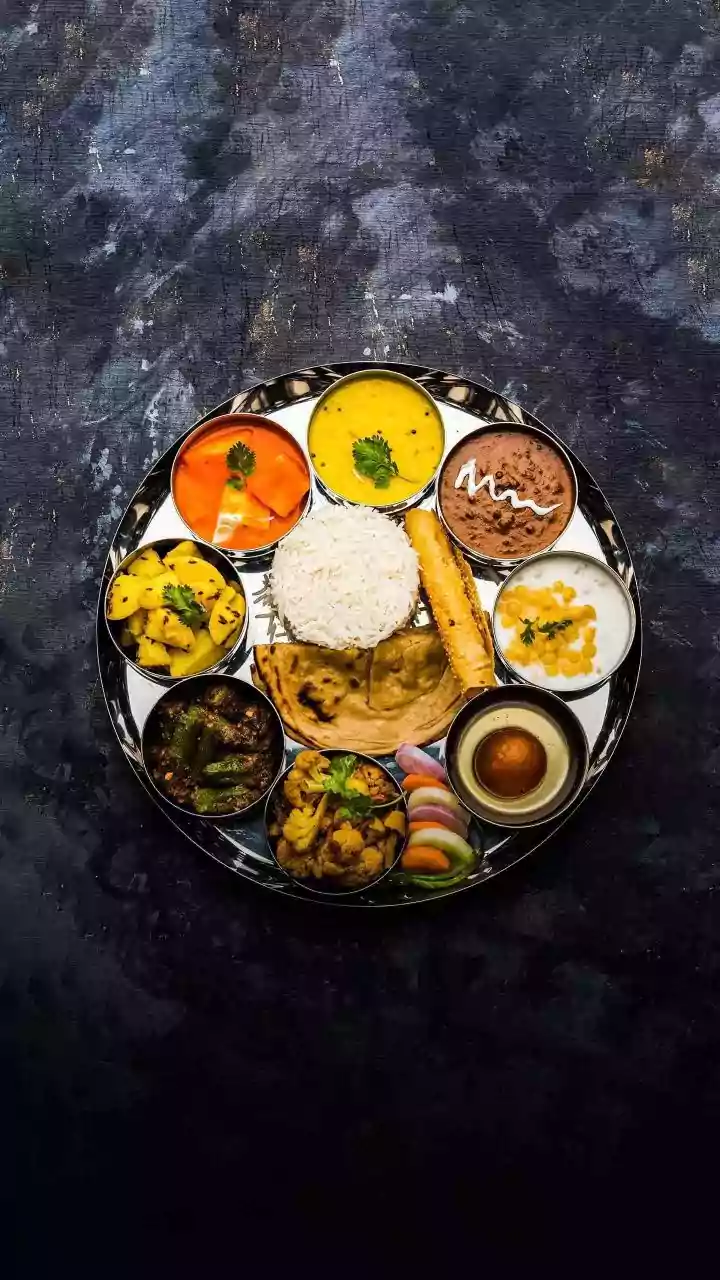
While sweets are prominent, savoury dishes provide balance to the Janmashtami feast. Since regular table salt is avoided during fasting, rock salt (sendha namak) is a non-negotiable ingredient for all savoury preparations. Potatoes are a staple vegetable, used to make vrat wale aloo sabzi, tikkis, and as a filling in Sabudana Vada. Other fasting-approved vegetables include sweet potato, arbi (colocasia), and pumpkin. For spices, stick to the basics: whole cumin seeds (jeera), black pepper, and green chillies are widely used. Roasted and crushed peanuts are essential for adding crunch and flavour to Sabudana Khichdi. Paneer is another excellent ingredient for creating a satisfying and protein-rich curry or tikki.
For Prasad and Panchamrit
Certain ingredients are specifically required for the puja and primary offerings. Dhaniya Panjiri, a unique prasad, is made from roasted coriander seed powder, so make sure to have whole or powdered coriander seeds. For Panchamrit, the five essential ingredients are raw milk, curd, honey, ghee, and sugar. Many recipes also include additions like Gangajal (holy water), chopped nuts, and makhana (fox nuts). Makhana is a very important ingredient, used not only in Panchamrit but also roasted for a simple snack or to make rich Makhana Kheer and sweet Makhana Paag. Finally, fresh Tulsi leaves (holy basil) are considered sacred and are added to both Panchamrit and Panjiri just before offering them to Lord Krishna.