



The Great Green Makeover
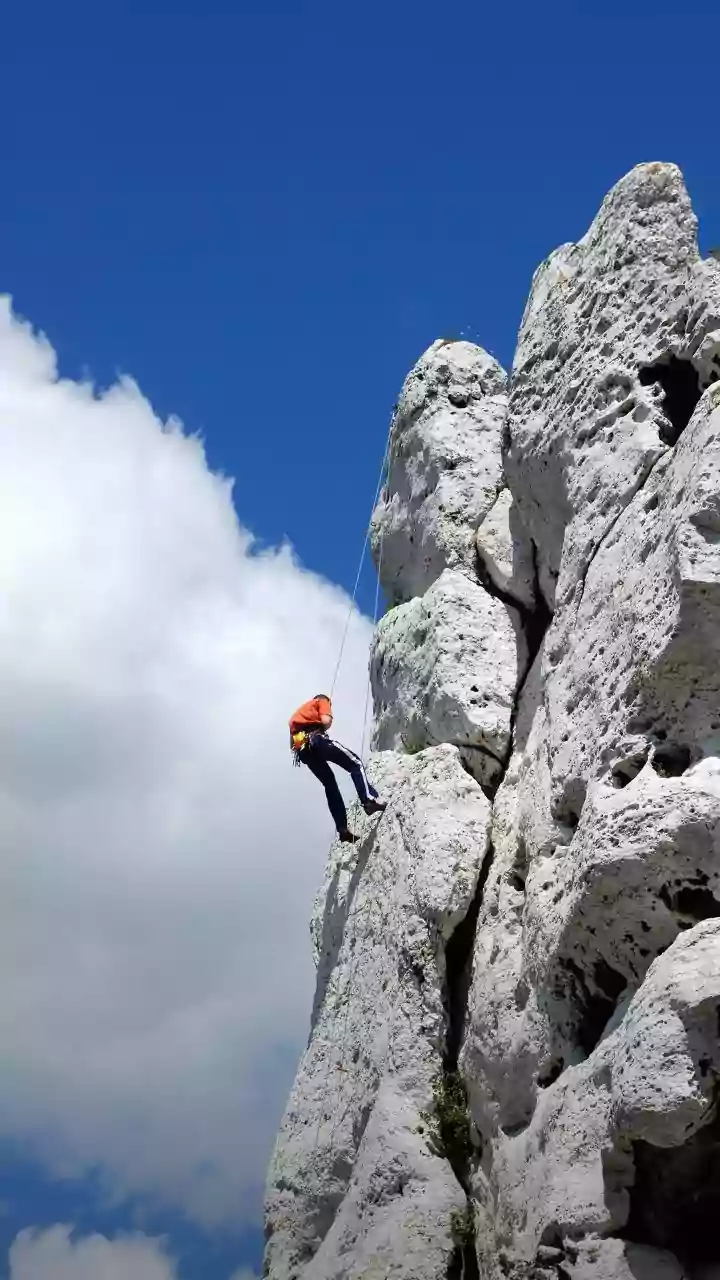
For much of the year, India’s popular climbing spots, especially in the Western Ghats, are defined by dry, dusty rock and relentless sun. Climbers study routes, memorise grips, and rely on the predictable friction of warm stone. Then the monsoon arrives.
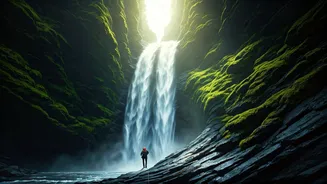
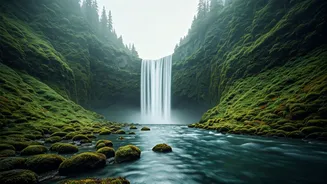
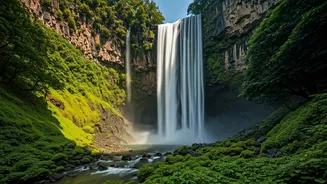
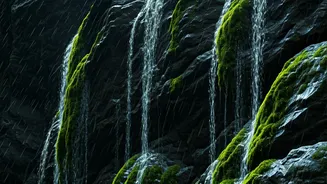
It’s not just a bit of rain; it's a complete environmental reset. The landscape erupts in a riot of green. Barren cliffs become slick, moss-covered walls, and dry gullies transform into roaring waterfalls. The very character of the mountain changes. What was once a static puzzle of rock and gravity becomes a dynamic, fluid environment. The air grows heavy with the smell of wet earth, and the silence is replaced by the constant drumming of rain and the rush of water. For those who dare to venture out, it’s like stepping onto a different planet.
From Friction to Flow
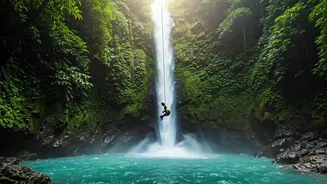
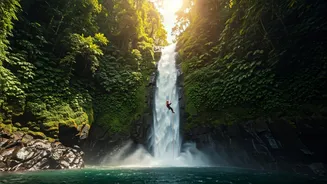
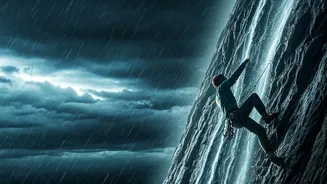
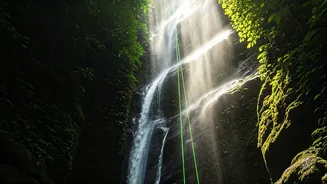
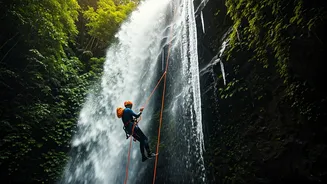
Standard rock climbing is a game of friction. You trust your shoes to stick to tiny edges and your hands to grip textured holds. Monsoon climbing throws that rulebook out the window. Water acts as a lubricant, making even the most reliable handholds and footholds treacherous. The chalk bag, a climber’s best friend in dry weather, becomes useless. Instead, the sport shifts. It becomes less about pure rock climbing and more about a hybrid discipline that blends climbing with canyoneering and waterfall rappelling. The goal is no longer just to go up; it’s to navigate a vertical, flowing obstacle course. Climbers learn to read the flow of water, finding moments of calm between cascades. They use techniques that rely more on body tension and balance rather than raw grip strength. Rappelling down a roaring waterfall, with water pounding on your helmet, is a core experience of this new sport—a thrilling, sensory-overloaded descent that has no parallel in dry conditions.
Gearing Up for the Deluge
Venturing into this wet world requires a complete rethink of your gear. Your standard climbing shoes, designed for dry friction, may not perform well. Many monsoon adventurers opt for sturdy approach shoes with deep lugs that offer better grip on mud and slick surfaces. Cotton clothing is a definite no; it absorbs water, gets heavy, and leaches body heat. Quick-drying synthetic layers and a reliable waterproof shell are non-negotiable. Most importantly, everything must be waterproofed. Ropes, harnesses, and metal gear can handle water, but anything in your backpack—food, first-aid kits, electronics—needs to be stored in dry bags. Ropes themselves need special attention. Wet ropes are heavier and can lose some of their dynamic properties, behaving differently during a fall. Experienced monsoon climbers often use ropes with a dry treatment, which helps them shed water and maintain performance.
The Mental Game
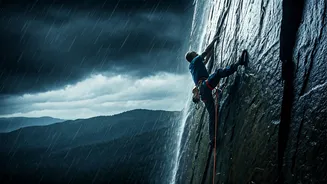
The physical challenges are immense, but the mental game is where monsoon climbing truly sets itself apart. The environment is objectively more dangerous. The risk of rockfall increases as water loosens debris. A simple slip can have more severe consequences on wet ground. Flash floods are a constant threat, and a gentle stream can become a deadly torrent in minutes. This demands a level of hyper-awareness and respect for nature that is an order of magnitude higher than in dry climbing. Decision-making is critical. You need to know when to push forward and, more importantly, when to turn back. There’s no ego here; the mountain is clearly in charge. This is why most monsoon climbing and waterfall rappelling is done with experienced guides and in groups. The camaraderie and shared responsibility are essential parts of the safety net in an environment where margins for error are razor-thin.
The Sahyadri proving grounds
Nowhere is this seasonal sport more alive than in the Sahyadri mountain range in Maharashtra. During the monsoon, these hills become a playground for adventure seekers from Mumbai, Pune, and beyond. Places like Lonavala, Bhimashankar, and Malshej Ghat are dotted with groups rappelling down iconic waterfalls. It's a unique subculture that celebrates the power and beauty of the Indian monsoon. They aren’t just tolerating the rain; they are chasing it. They seek out the biggest, most dramatic waterfalls to descend, finding a unique thrill in being at the heart of the storm. It’s a testament to the human desire to adapt and find adventure in any condition, transforming what many see as an obstacle into the main event.