





The New Concrete Jungle
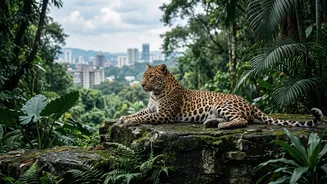
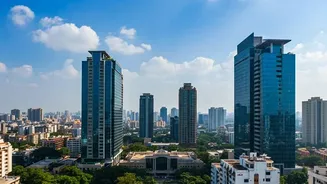
In India’s rapidly growing metropolises, the line between the wild and the city is blurring. It’s no longer surprising to hear of a leopard strolling past a residential society in Mumbai, often on the hunt for stray dogs. In Delhi and Jaipur, troops of rhesus
macaques have become adept urbanites, navigating government buildings and raiding kitchens with startling confidence. Even larger animals like the nilgai, or blue bull, have been spotted wandering through deserted shopping mall districts in Noida, a sight that became more common during lockdowns but speaks to a larger trend. These animals are not just lost; they are adapting, turning our urban sprawl into their new habitat.
Why The City Beckons
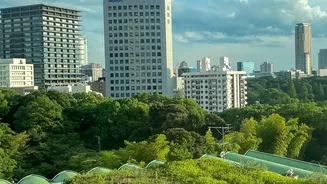
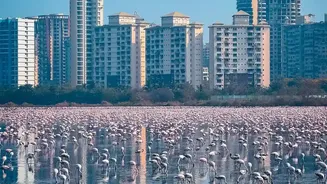
The primary driver of this urban migration is habitat loss. As cities expand, they relentlessly consume forests, wetlands, and grasslands, pushing animals out of their natural homes. This fragmentation of landscapes forces wildlife to venture into human-dominated areas in search of food, water, and shelter. But it’s not just a push factor; cities also offer a powerful pull. Urban areas provide an abundant, if unconventional, buffet. Open garbage bins, food handouts, and populations of prey like stray dogs and rodents create a reliable food source. For many animals, the concrete jungle offers an easier meal than the actual one they left behind.
Masters of Urban Adaptation
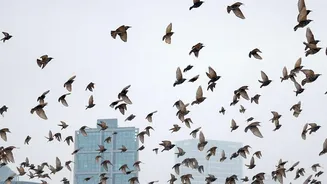
Animals are proving to be remarkably resourceful in how they use our infrastructure. The ‘unexpected habitats’ are all around us. Leopards in Mumbai use railway lines and overgrown drainage systems as corridors to move unseen through the city at night. Birds of prey like peregrine falcons and hawks have adopted skyscrapers, whose ledges mimic the cliff faces they would naturally nest on, giving them a perfect vantage point to hunt city pigeons and rats. Monkeys treat temple spires and old buildings as their new forests, offering shelter and height. For these creatures, a drainpipe becomes a den, a rooftop water tank a watering hole, and an abandoned lot a hunting ground. They are piecing together a new ecosystem from the scraps of our own.
The Challenge of Cohabitation
This proximity inevitably leads to conflict. While many encounters are peaceful, the potential for friction is always present. In cities like Mumbai, leopard sightings near residential areas trigger fear, even though attacks are relatively rare and authorities often work with communities to promote safety measures like keeping areas well-lit and not leaving pets unattended. The 'monkey menace' in Delhi is a well-documented issue, with macaques known for snatching food and occasionally becoming aggressive. This has led to extensive efforts to capture and relocate them, though the problem often persists. The conflict runs both ways; animals face immense danger from vehicle traffic and other urban hazards. This uneasy coexistence is a major challenge for urban planners and wildlife managers, who must balance the safety of human residents with the welfare of their animal neighbours.
Building Cities for All Species
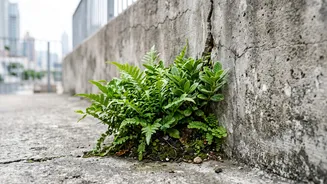
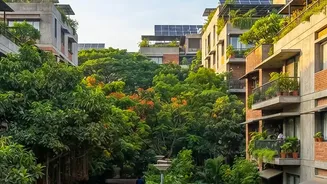
As urbanisation is an irreversible trend, the future lies in finding ways to live together. This has given rise to the concept of 'reconciliation ecology'—the idea of modifying human-dominated environments to better support biodiversity. This doesn't mean turning cities into wildlife reserves, but rather making intelligent design choices. Simple actions like creating green corridors to connect fragmented habitats, preserving urban water bodies, and planting native trees can make a huge difference. Community-led initiatives, from placing water bowls for birds and stray animals to participating in awareness programs on how to react during a wildlife sighting, are also crucial. Ultimately, fostering a mindset of coexistence is as important as any physical infrastructure.