

The Allure of Acidity
The defining characteristic of a lemon is its sourness, a flavour that comes from citric acid. When we taste something sour, our salivary glands kick into high gear in an attempt to neutralize the acid. This physical reaction is part of what makes acidic
foods feel so refreshing and vibrant. In a dessert, this tartness is not an enemy to be defeated but a hero to be celebrated. It cuts through richness, cleanses the palate, and prevents a dish from becoming monotonously sweet. Without a strong acidic backbone, a lemon dessert would just be a sweet dessert, lacking the very character that makes it special. Recent studies on taste perception have even shown that sourness can actively mute the way our nerves signal sweetness to the brain, meaning the two tastes are in a constant, dynamic interplay from the very first bite.
Sugar's Supporting Role
If acid is the star, sugar is the indispensable supporting actor. Its most obvious role is to provide sweetness, which balances the harsh edges of the lemon's citric acid, making it more palatable. However, sugar does more than just mask the sourness. While sugar itself doesn't chemically neutralize the acid, it plays a crucial structural role in many desserts. In cakes, it helps create a tender crumb. In custards and curds, it contributes to the final texture and set. Heating lemon juice and sugar together can also create subtle changes in flavour, as the acid helps break down sucrose into glucose and fructose, which have slightly different sweetness profiles. The goal is not to eliminate the sour taste, but to tame it, creating a complex flavour where both the tart and sweet notes can be appreciated distinctly.
Techniques from the Pros
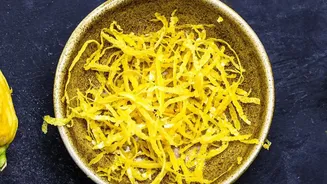
Professional pastry chefs know that achieving balance is about more than just a simple ratio of lemon to sugar. They employ specific techniques to layer and control flavour. A key principle is understanding the difference between lemon juice and lemon zest. The juice provides the sharp, acidic tartness, while the zest, which contains the lemon's essential oils, delivers a fragrant, floral aroma without adding much acidity. For a truly deep lemon flavour, many chefs use both. A popular technique involves rubbing the lemon zest directly into the sugar before mixing. This action helps the sugar crystals release the oils from the zest, infusing the entire batch of sugar with a powerful lemon fragrance. Some chefs also use powdered citric acid to boost tartness without adding extra liquid, which could compromise the texture of a cake or curd.
The Mellowing Magic of Fat
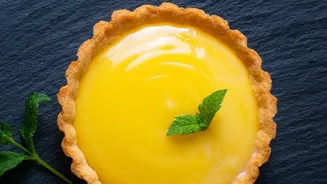
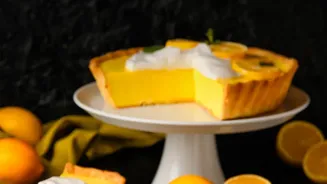
Sugar is not the only ingredient that tempers lemon's sharp bite. Fats like butter, cream, and egg yolks play a vital role in balancing desserts. Think of a classic lemon tart: the filling is a rich custard made from eggs and sugar, often with butter melted in. This richness coats the palate, softening the impact of the acidity and creating a smoother, more luxurious mouthfeel. Dairy, in particular, has a rounding effect on sharp flavours. Ingredients like crème fraîche, yogurt, or even cream cheese in a frosting add a subtle, tangy complexity of their own while mellowing the lemon's intensity. This is why a simple lemon glaze made of just powdered sugar and lemon juice tastes so much sharper than a creamy lemon posset or a buttery lemon curd, even if they have similar levels of sweetness and acidity.
Balance in Action
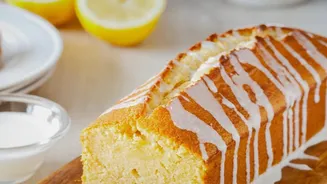
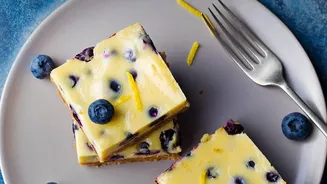
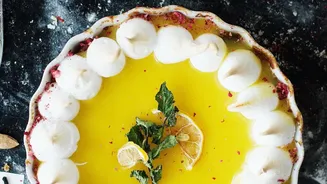
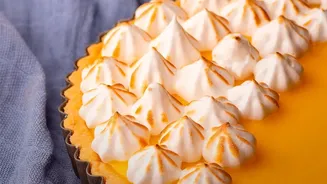
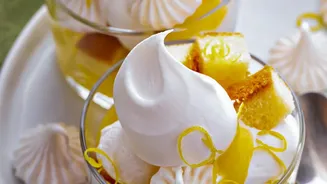
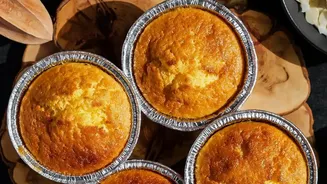
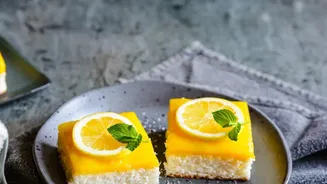
Different desserts showcase this balance in unique ways. A classic lemon meringue pie is a perfect example. It features a tart, potent lemon curd filling, which is then topped with a cloud of purely sweet, airy meringue. The buttery crust provides a rich, salty counterpoint to both. A lemon drizzle cake, on the other hand, infuses flavour differently. The zest in the cake batter provides a foundational aromatic flavour, while a post-bake soak of lemon juice and sugar syrup adds a sharp, tangy moisture that cuts through the tender crumb. Even a simple lemon square relies on this principle, with a high concentration of both sugar and lemon in its gooey topping, all resting on a simple shortbread base that grounds the intense flavours.