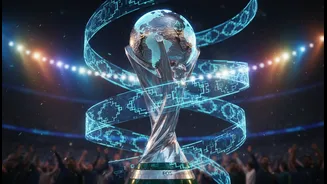






The Biggest World Cup Ever
For the first time, 48 teams battled for football's ultimate prize, a significant jump from the 32-team format used since 1998. This expansion, staged across 104 matches, gave more nations a chance to compete on the global stage. The new format featured
12 groups of four, with the top two teams and the eight best third-placed teams moving to a brand-new Round of 32, making for a longer, more inclusive tournament.
A Groundbreaking Three-Nation Host
History was made before a ball was even kicked, as Canada, Mexico, and the United States became the first trio of nations to jointly host a World Cup. The tournament unfolded across 16 cities, with each host nation playing its group stage matches on home soil. This continental approach created a unique logistical challenge but also a sprawling festival of football. Mexico also became the first country to host the men's World Cup three times.
Spain's Historic Double
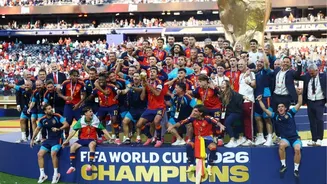
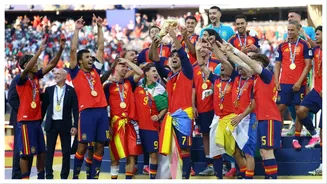
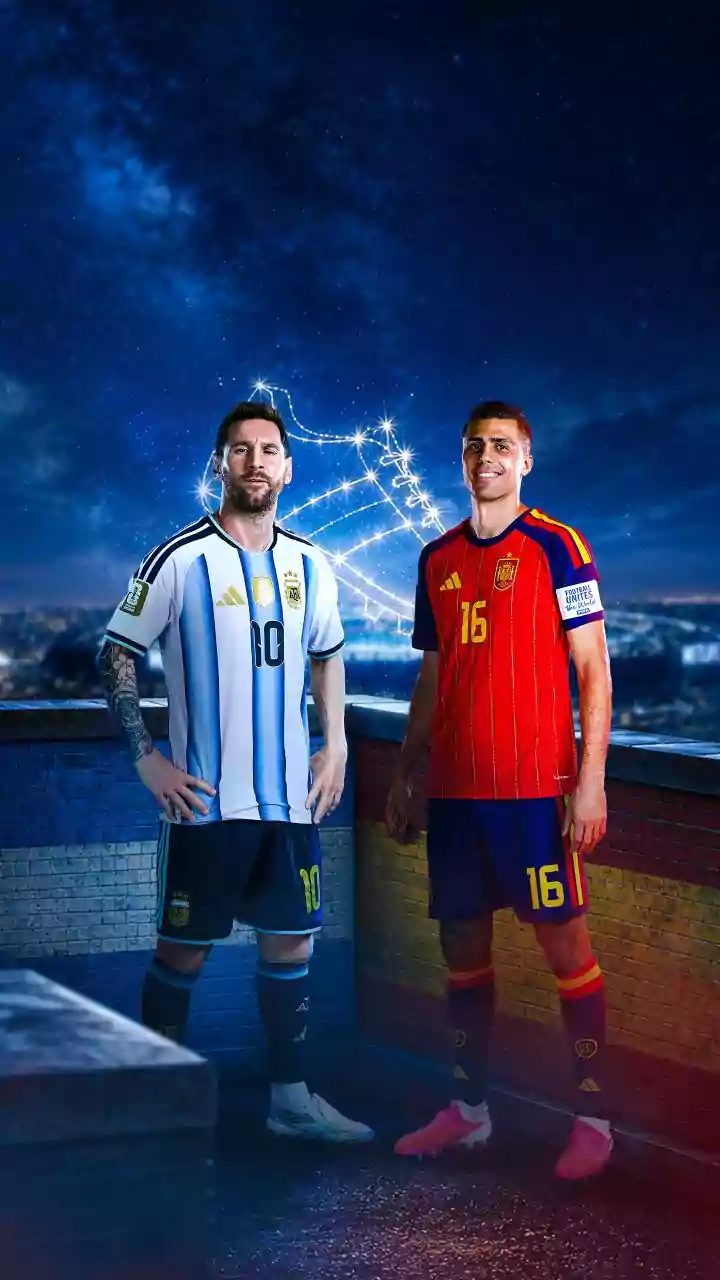
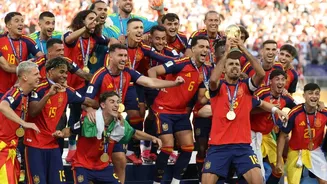
Spain's dramatic 1-0 extra-time victory over Argentina in the final gave them their second men's World Cup title. More significantly, the win meant Spain became the first nation in history to be the reigning world champion in both the men's and women's games simultaneously, following their Women's World Cup triumph in 2023.
An Unbreachable Spanish Wall
Spain's journey to the trophy was built on one of the most formidable defensive displays ever seen. The champions conceded only one goal throughout the entire tournament, a new record for a World Cup-winning side. Their suffocating control of the final was absolute; Argentina, the defending champions, failed to register a single shot in the first 90 minutes of the match.
Debutants Make Their Mark
The expanded format opened the door for four nations to make their World Cup debuts: Cape Verde, Curaçao, Jordan, and Uzbekistan. Cape Verde became one of the tournament's darlings, impressively holding Spain to a 0-0 draw and advancing from their group unbeaten before narrowly losing to Argentina. Curaçao also had a historic moment, scoring their first-ever World Cup goal against Germany.
Mbappé Claims the All-Time Scoring Record
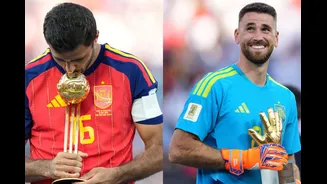
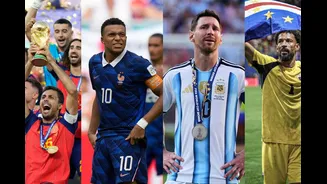
French captain Kylian Mbappé had a spectacular tournament, winning his second consecutive Golden Boot with an incredible ten goals. In doing so, he surpassed the previous record to become the all-time leading goalscorer in men's World Cup history, a monumental achievement for a player still in his prime. He was the first player to score ten goals in a single tournament since Gerd Müller in 1970.
The Rise of the Underdogs
This World Cup was a graveyard for several giants. Traditional powerhouses like Germany, Brazil, and the Netherlands all suffered surprisingly early exits. Norway, making their first appearance since 1998, provided one of the biggest shocks by knocking out Brazil in the Round of 16, powered by the goalscoring of Erling Haaland. These results underscored a narrowing gap between football's elite and the chasing pack.
A Tournament of Firsts for Hosts
While none of the three host nations made it past the Round of 16, they all had moments to savour. Mexico was the only host to win all three of its group matches. Canada, meanwhile, recorded its first-ever World Cup win and knockout stage victory, marking a massive milestone for the nation's football program.
Elite Teams Dominate the Final Four
Despite the numerous upsets and underdog stories, the tournament's semi-finals produced a remarkable first. For the first time in World Cup history, the final four teams were Argentina, Spain, France, and England — the top four teams in the FIFA Men's World Ranking at the start of the tournament. It was a showcase of elite quality clashing at the highest level.
The Final's Extra-Time Drama
The final between Spain and Argentina was a tense, tactical battle that remained scoreless through 90 minutes. With Argentina down to 10 men after a late red card, the stage was set for a hero. Substitute Ferran Torres etched his name into Spanish folklore, scoring the decisive goal in the 106th minute to clinch the World Cup and deny Lionel Messi a second consecutive title in his final tournament appearance.