




Understanding the Monsoon's Fury
Active monsoon conditions are currently affecting numerous states. The IMD has issued alerts for widespread rain, with isolated heavy to very heavy spells expected in regions across North, East, Central, and South India. States like Uttarakhand, Uttar Pradesh,
Bihar, West Bengal, and Kerala are on alert for intense showers. This isn't just a brief downpour; it's a multi-day event, meaning the ground is already saturated, and infrastructure is under strain. This sustained rainfall significantly increases the risk of disruptions, from localized flooding in cities to more severe issues like landslides in hilly areas. Authorities in affected regions, such as Uttarakhand, have already advised residents and tourists to avoid unnecessary travel.
Why Your Travel Needs a 'Weather Buffer'
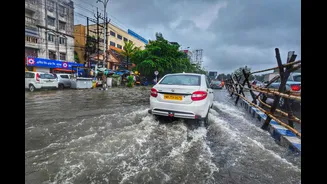
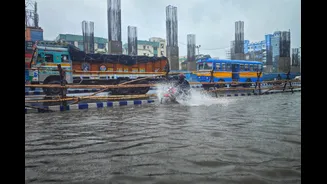
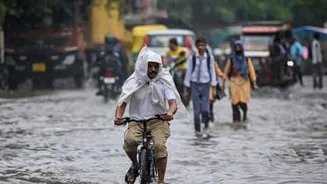
A 'weather buffer' is extra time and preparation built into your travel schedule to account for weather-related delays. During heavy rains, this isn't just a suggestion—it's a necessity. For road travellers, the primary risks are waterlogged streets that can stall vehicles and hide potholes, and slick roads that increase braking distances. Reduced visibility is another major hazard. For the rail network, the consequences are equally severe. Water covering tracks can force trains to slow down or stop entirely. In hilly terrains, the risk of landslides damaging tracks is a serious concern, leading to major delays, diversions, or outright cancellations. A simple 30-minute delay due to waterlogging can have a cascading effect across the entire transport network.
Planning for a Safer Road Journey
If you must travel by road, preparation is your best defence. Before you leave, check your vehicle's essentials: tyres should have good tread, brakes must be responsive, and windscreen wipers need to be in working order. Plan your route using real-time traffic apps that show waterlogged areas and congestion. The most critical adjustment is time. Add at least an hour, if not more, to your expected travel time for even short urban commutes. For inter-city travel, the buffer should be significantly larger. Drive slowly and maintain double the usual following distance from the vehicle in front of you. It is also crucial to keep your headlights on for better visibility, even during the day. If you encounter a flooded road, do not attempt to drive through it; the water could be deeper than it appears and conceal dangers.
Navigating the Railways During Downpours
For train passengers, staying informed is key. Before heading to the station, and even while waiting, frequently check your train's status using the National Train Enquiry System (NTES) app or website. Indian Railways often provides updates on delays and cancellations through these official channels and their social media accounts. Pack extra food, drinking water, and a power bank for your phone, as delays can be long and unpredictable. A weather buffer for train travel means anticipating delays not just before departure, but also during the journey itself. If your train is significantly delayed or cancelled, be aware of the railway's refund policies. Planning for a longer journey time can reduce stress and ensure you are prepared for any eventuality, such as needing to find alternative transport or accommodation.
Your Digital Toolkit for Monsoon Travel
Technology is a powerful ally against weather disruptions. Use reliable weather apps to get granular, location-specific forecasts from the IMD. For road travel, apps like Google Maps or Waze provide real-time traffic data, which can help you navigate around choke points. Many state transport and police departments now use social media to post live updates about road conditions and closures. Following these official accounts can provide invaluable, up-to-the-minute information. Similarly, most airlines and railway authorities actively post updates on delays and cancellations. By combining these digital tools, you can build a comprehensive picture of the situation before you even start your journey, allowing you to make smarter, safer decisions.