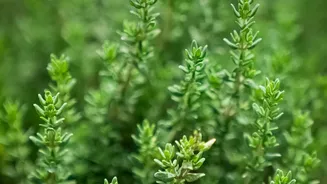




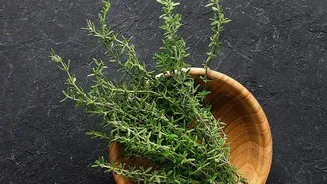
The aroma of fresh thyme elevates everything from roasted chicken to simple dals. This versatile herb is surprisingly easy to grow in your own kitchen, provided you start with the right foundation: a proper home for its roots to thrive in.
The Perfect Potting Foundation
Thyme is a Mediterranean
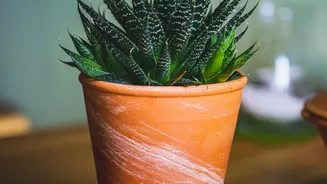
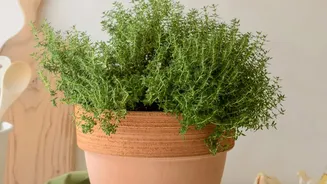
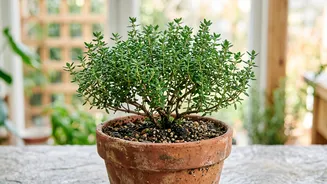
herb that is accustomed to dry, rocky slopes, not waterlogged soil. Because of this, the single most common mistake when growing it indoors is overwatering, which leads to root rot. Your first line of defence is the right pot. Choose a small container, around 6 to 8 inches in diameter, that has at least one large drainage hole. Terracotta or clay pots are an excellent choice because the material is porous and helps wick excess moisture away from the soil, allowing it to dry out more quickly between waterings. While plastic pots work, ensure they have ample drainage. Thyme has shallow roots that spread outwards, so a wide, relatively shallow pot is often better than a deep one.
Creating The Ideal Soil Mix
To further prevent the risk of soggy roots, thyme needs a gritty, well-draining soil mix. Standard potting soil on its only often retains too much moisture. You can easily create a superior mix by combining regular potting soil with sand, perlite, or even fine gravel. The goal is to create a light, airy medium that allows water to pass through freely, mimicking the poor-quality soil where thyme thrives in its native environment. The plant isn't a heavy feeder, so rich, overly fertile soil can actually do more harm than good by promoting leggy growth with less flavour.
Let There Be Ample Light
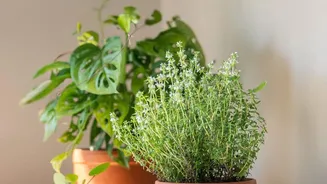
Sunlight is the ingredient that fuels thyme's growth and develops its essential oils, which create its signature aroma and flavour. The plant needs at least six to eight hours of bright light each day. The ideal spot is a sunny, south-facing windowsill where it can soak up direct sun. If your home doesn't have a spot with sufficient natural light, don't despair. Thyme grows very well under a simple LED grow light, which can supplement or entirely replace sunlight, ensuring your plant stays healthy and flavourful. Without enough light, thyme will become 'leggy', with long, weak stems and sparse leaves.
The Art of Restrained Watering
After choosing a draining pot and the right soil, mastering the watering routine is the final key to success. Thyme is drought-tolerant and would much rather be too dry than too wet. The rule is simple: water the plant thoroughly, allowing water to run out of the drainage hole, but then wait for the soil to dry out completely before watering again. You can check this by sticking your finger about an inch into the soil. If you feel any moisture, wait a few more days. A drooping plant is more often a sign of overwatering and root rot than it is of thirst.
Harvesting for Flavour and Fullness
Regularly harvesting your thyme not only provides you with fresh herbs for cooking but also encourages the plant to grow bushier and more compact. You can start snipping stems as soon as the plant is established and has plenty of foliage. Use clean scissors to cut the top few inches of the soft, green stems, always cutting just above a set of leaves. This encourages the plant to branch out from that point. Avoid cutting into the older, woody parts of the stem, as they may not regrow. For the most potent flavour, harvest in the morning just before the plant flowers.