




The Birth of a National Style
The story begins not with a victory, but with a national trauma. In 1950, Brazil lost the World Cup final to Uruguay on home soil at the Maracanã stadium, an event so devastating it was named the 'Maracanazo'. In the soul-searching that followed, Brazil sought
to redefine its identity. At the time, the nation was grappling with its complex racial and cultural makeup. Thinkers like sociologist Gilberto Freyre argued that Brazil's strength lay not in emulating European ideals, but in embracing its unique blend of European, African, and Indigenous cultures. He championed the idea of a 'racial democracy', suggesting that Brazil's mixed-race heritage was a source of creativity and vitality. This intellectual shift created the perfect environment for a new way of looking at football.
From the Streets to the Stadium
Football was the perfect canvas for Freyre's ideas. While European football was becoming more rigid and systematic, the style played by many Brazilians, particularly Afro-Brazilians in the favelas and on the streets, was fluid, improvisational, and individualistic. It was characterized by malícia (cunning), dribbling, and a rhythmic body movement that evaded tackles with grace. This style was seen as a direct expression of the cultural influences Freyre had described. The feints and swerves mirrored the steps of capoeira and, most famously, samba. What was once dismissed by the elite as undisciplined was now re-framed as futebol-arte (art-football), a uniquely Brazilian treasure. Early stars like Leônidas da Silva, the 'Black Diamond' credited with popularising the bicycle kick, were precursors to this revolution.
The Golden Era: Pelé and Garrincha
The 1958 World Cup in Sweden was the moment this new identity was unveiled to the world. The team featured a 17-year-old prodigy named Pelé and a winger with famously bent legs named Garrincha. They were unstoppable. While European teams played with disciplined formations, Brazil played with a joyous freedom. Garrincha’s dribbling was pure improvisation, a dance that left defenders helpless. Pelé combined athleticism with sublime skill and intelligence. Together, they embodied samba football. They didn't just win; they did it with a breathtaking artistry that captured the world's imagination. Brazil's victories in 1958, 1962, and 1970 cemented the legend. The Seleção became synonymous with a brand of football that was not just effective, but beautiful and entertaining—a celebration of life itself.
Joga Bonito and Modern Heirs
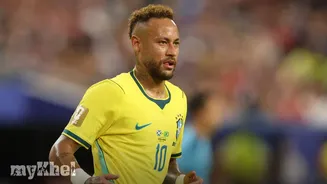
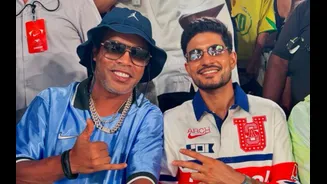
The idea of samba football has ebbed and flowed since the golden era. The 1982 team, with legends like Zico and Sócrates, is remembered as one of the greatest teams to not win the World Cup, precisely because they prioritized art over pragmatism. In the early 2000s, the concept was revitalized and marketed as Joga Bonito ('The Beautiful Game'). Players like Ronaldo, Rivaldo, and especially Ronaldinho became its global ambassadors. Ronaldinho's playful genius, his no-look passes and beaming smile, were a direct throwback to the joyous spirit of Garrincha. More recently, Neymar, with his dazzling skills and flair, has carried the torch, embodying both the brilliance and the criticism that comes with prioritising individual expression.
An Enduring Cultural Touchstone
Has the Europeanisation of modern tactics, with its emphasis on pressing and structure, killed samba football? Some argue it has. The humiliating 7-1 defeat to Germany in the 2014 World Cup was seen by many as the final death knell for a naive, romantic style. Yet, the spirit endures. It lives on not necessarily as a dominant tactic, but as a cultural aspiration. When players like Vinícius Jr. are criticized by European pundits for dancing in celebration, the response from Brazil is fierce and protective. His dancing is defended as an act of cultural defiance and joy. Samba football is more than a way of playing; it's a statement of identity. It represents the idea that football can, and should, be a source of happiness, creativity, and freedom.