


Beyond the City Glow: What Are Dark-Sky Expeditions?
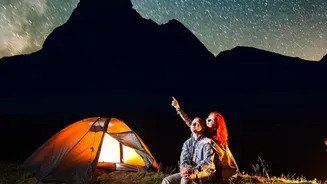
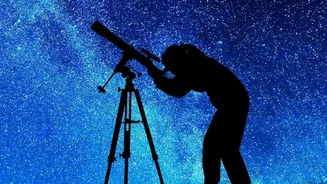
At its heart, a dark-sky expedition is a curated travel experience designed to take you to a location with minimal light pollution for the express purpose of stargazing. But it's much more than just camping out. These trips, often led by astronomy experts
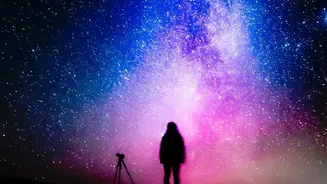
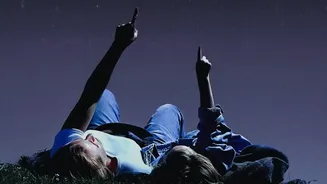
and tour operators, merge daytime adventure in stunning natural landscapes with nighttime workshops on navigating the cosmos. For a generation of young Indian tourists seeking more than just a typical vacation, this blend is magnetic. They offer a chance to disconnect from screens, engage with science in a hands-on way, and witness the awe-inspiring sight of the Milky Way arching across a pristine sky.
The Rise of the Astro-Tourist
The growing popularity of astrotourism among younger travellers isn't surprising. It taps directly into a desire for unique, meaningful experiences over material possessions. In an age of digital fatigue, the silence and vastness of a remote, dark location offer a powerful sense of emotional restoration and a genuine digital detox. Furthermore, successful Indian space missions like Chandrayaan and Mangalyaan have ignited a nationwide curiosity about astronomy. This has created a perfect storm where adventure travel, a thirst for scientific knowledge, and the desire to create stunning photographic content for social media converge. Organisations are now training local guides in remote areas, turning celestial knowledge into a sustainable livelihood and boosting local economies.
Capturing the Cosmos: A Beginner's Guide
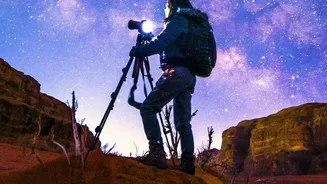
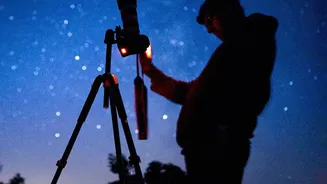
The astronomical photography component is a major draw, and it's more accessible than you might think. You don't need a telescope or professional-grade equipment to start. Most guided expeditions offer workshops, but the basic gear includes a camera with manual settings (like a DSLR or mirrorless camera), a sturdy tripod to keep the camera still for long exposures, and a wide-aperture lens (f/1.4 to f/4 is ideal) that can gather more light. Even some modern smartphones with advanced 'night mode' or 'pro' settings can capture impressive celestial shots. The key is a long shutter speed (15-30 seconds) to soak in starlight, a high ISO setting (1600-3200) to increase light sensitivity, and manual focus set to infinity. Apps like PhotoPills or Stellarium can help you plan your shoot by showing you where the Milky Way will be at any given time.
India's Prime Stargazing Sanctuaries
India's diverse geography offers some world-class locations for stargazing. The undisputed crown jewel is the Hanle Dark Sky Reserve in Ladakh, India’s first officially designated dark-sky region, located within the Changthang Wildlife Sanctuary at an altitude of over 4,500 metres. Its thin, dry air and near-zero light pollution provide exceptionally clear views. Another high-altitude desert, Spiti Valley in Himachal Pradesh, is a favourite among astrophotographers for its Bortle Class 2 skies—a measure of darkness where the Milky Way is bright enough to cast a faint shadow. Other emerging hotspots include the Pench Tiger Reserve in Madhya Pradesh, the surreal salt flats of the Rann of Kutch in Gujarat, and accessible hill stations like Coorg in Karnataka and sites in the Sahyadris in Maharashtra.
What to Expect and How to Pack
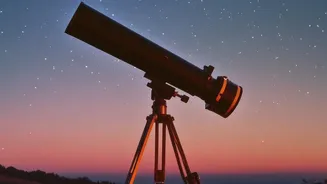
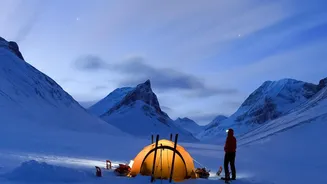
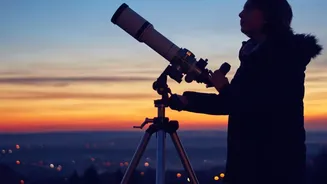
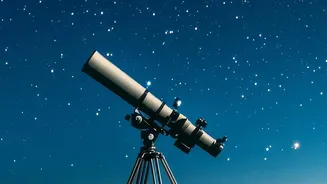
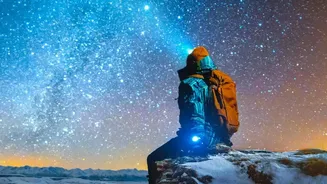
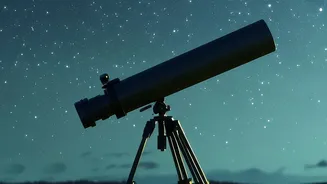
A typical expedition involves more than just looking up. Days might be spent trekking, exploring local culture, or visiting monasteries, especially in regions like Ladakh and Spiti. As night falls, guides will set up telescopes, point out constellations, nebulae, and distant galaxies, and provide hands-on help with your camera settings. It's essential to pack for the environment. High-altitude locations like Hanle and Spiti get extremely cold at night, even in summer, so thermal layers, down jackets, and gloves are non-negotiable. Allow your eyes 20-30 minutes to adapt to the darkness to see the sky in its full glory, which means avoiding your phone screen. These trips are an immersive blend of science, nature, and community, often shared around a bonfire under a canopy of stars.