




More Than a Fruit Basket
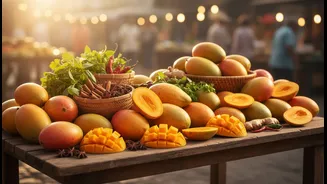
For many, the Indian summer is synonymous with the simple, unparalleled joy of eating mangoes. This love affair culminates in mango festivals, or 'aam mahotsavs', held across the country, from Delhi to Bengaluru and Lucknow. Initially conceived as tasting
events and platforms for buyers and sellers to connect, these festivals are transforming. They are becoming vibrant showcases of India's immense agricultural diversity, moving beyond mere commerce to celebrate the culture, history, and traditions woven into the 'king of fruits'. These events now feature everything from cooking contests to cultural programmes, highlighting the mango's deep-rooted significance in Indian life.
Beyond the Famous Few
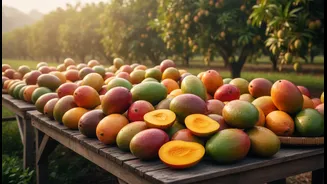
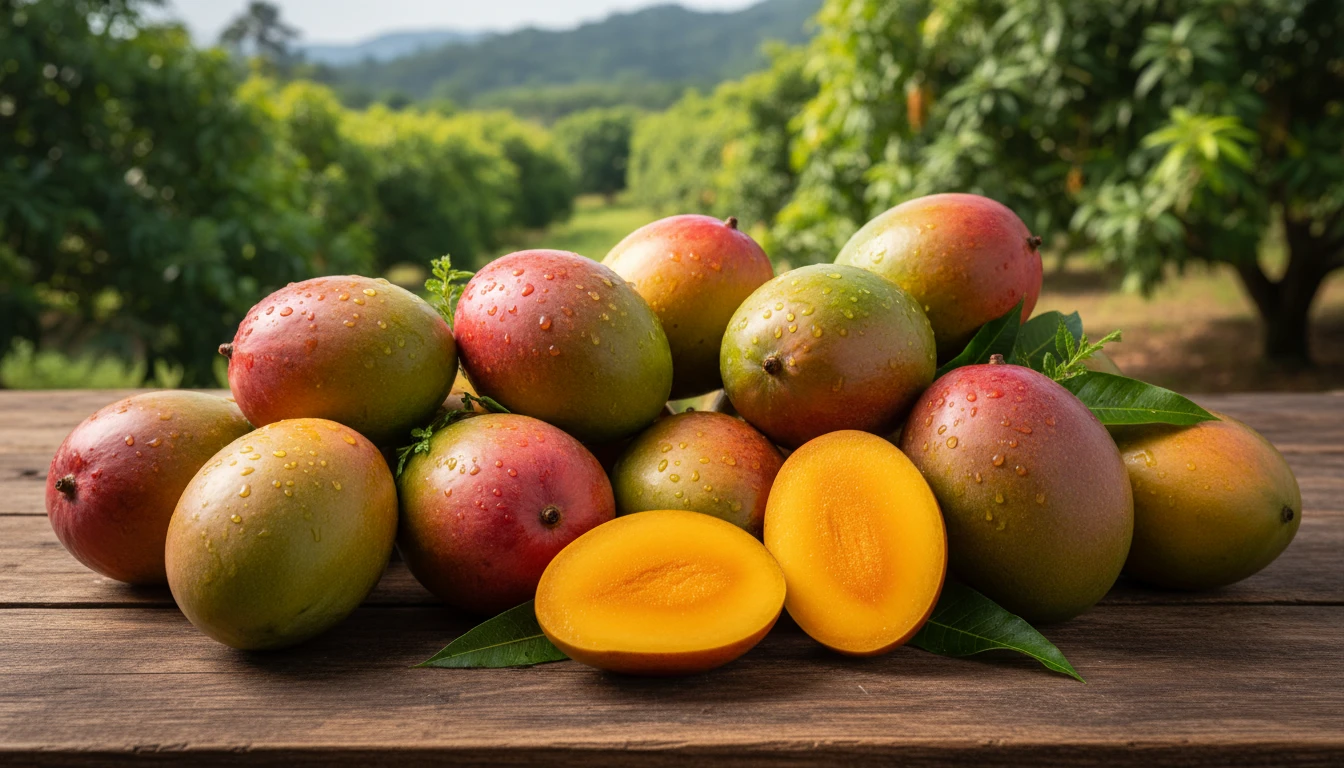
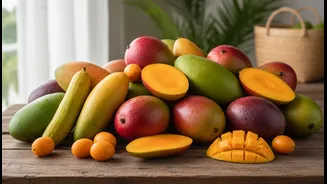
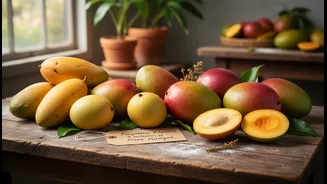
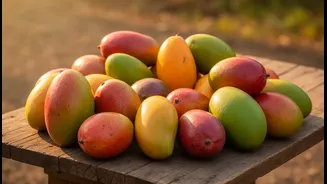
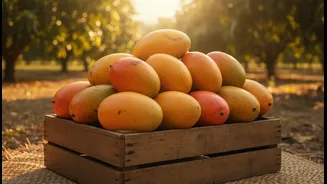
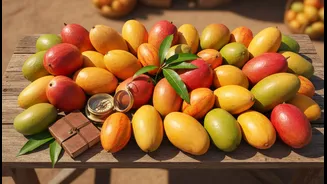
Ask anyone to name Indian mangoes, and 'Alphonso' and 'Langra' will likely top the list. While these varieties are justly famous, India is home to over 1,500 types of mangoes, each with a unique taste, texture, and history. Festivals provide a rare opportunity to explore this staggering diversity, offering a glimpse into a world beyond the supermarket shelves. Visitors might encounter the majestic, kilogram-heavy Fazli from West Bengal, perfect for pickles and chutneys, or the heavenly Samar-e-Behisht from Lucknow, whose name translates to 'Fruit of Heaven'. There are varieties with intriguing names and even more intriguing backstories, like the Malgova, whose name reflects its creamy, dessert-like taste, or the Fernandin from Goa, known for its tart flavour and resistance to pests.
The Farmer as Storyteller
The most crucial shift in these festivals is the spotlight on 'agricultural storytelling'. These events are increasingly becoming platforms for farmers—the custodians of this biodiversity—to share their stories directly. For generations, these growers have cultivated rare and indigenous varieties, not just for the market, but for specific uses at home, for their unique flavours, or simply as part of their family heritage. Festivals allow them to connect with consumers, explain the nuances of their produce, and build a market for heirloom varieties that might otherwise be lost to the commercial dominance of a few types. It’s a chance for city dwellers to understand that every fruit has a history tied to a specific place, climate, and the generational knowledge of the community that grows it.
A Taste of Place
This connection between fruit and place is what gives each mango its identity. Just as the soil and climate affect a wine's character, the 'terroir' of a region shapes its mangoes. A Lakshmanbhog from West Bengal tastes different from one grown elsewhere. Mango festivals are a sensory map of India, allowing you to taste the sun-drenched sweetness of a Banganapalli from Andhra Pradesh, the unique aroma of a Dasheri from the orchards near Lucknow, or the tangy notes of a Langra from Uttar Pradesh. By showcasing produce with Geographical Indication (GI) tags and other regional specialities, these festivals educate consumers about the importance of origin and sustainable farming practices that preserve these unique characteristics.
Preserving a Sweet Heritage
Ultimately, the evolution of the mango festival is about more than just discovering a new favourite fruit. It plays a vital role in preserving India's agricultural biodiversity. When consumers show interest in and create demand for lesser-known varieties like Gulab Khaas or Imam Pasand, they provide a powerful incentive for farmers to continue growing them. This prevents the agricultural landscape from being dominated by a monoculture of a few commercially viable mangoes, ensuring that the rich genetic pool, developed over thousands of years, is maintained for future generations. These festivals are a delicious form of activism, where every purchase of a rare mango is a vote for biodiversity and the farmers who protect it.