




Why Texture Is Your Best Friend
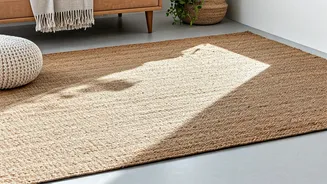
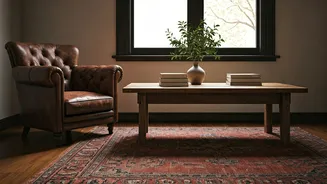
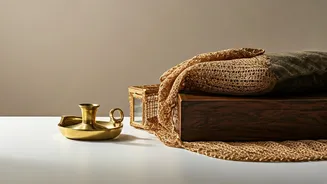
In a single-room layout, creating visual interest is key to making the space feel like a home. Texture breaks up flat surfaces and absorbs sound, instantly making a room feel warmer and more inviting. [8] A rug with a noticeable weave or a plush pile
adds depth and character, transforming a simple box into a cosy sanctuary. It’s the easiest way to combat that empty, echoey feeling and introduce a layer of comfort and style that reflects your personality. [8, 19] A well-chosen rug doesn't just decorate the floor; it sets the entire tone for your home.
Choosing Your Sustainable Material
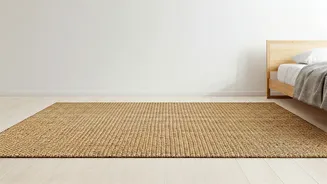
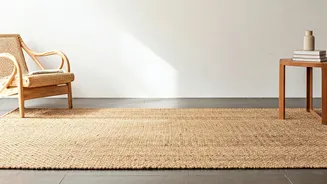
The beauty of sustainable rugs lies in their materials, which are both eco-friendly and full of character. [7] Jute and sisal, made from natural plant fibres, offer an earthy, rustic texture that is incredibly durable. [3, 4] They are perfect for adding a natural, bohemian touch. Wool is another excellent renewable option; it's soft, naturally stain-resistant, and a great insulator, making it ideal for creating a plush, comfortable feel. [3, 21, 22] For a modern and surprisingly soft choice, consider rugs made from recycled PET, which are crafted from recycled plastic bottles. These are durable, easy to clean, and come in a wide variety of colours and patterns. [3] Organic cotton rugs are soft, often washable, and bring a casual, relaxed vibe to a space. [3, 4]
The Art of Placement: Zoning Your Space
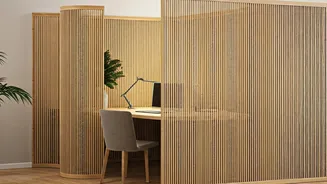
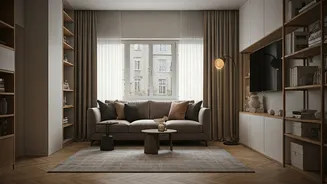
In a studio, a rug’s most important job is to create zones. [2, 5, 6] By placing a rug, you can visually separate your living area from your sleeping space or carve out a dedicated work-from-home corner. [10, 11] This creates the illusion of multiple rooms within one, making your apartment feel more organised and functional. [10] Place a large rug to anchor your main living area, ensuring at least the front legs of your sofa and chairs are on it. [2, 12] This unites the furniture and makes the space feel cohesive. [2] Use a smaller, contrasting rug to define a secondary space, like a cosy reading nook by a window. [5]
Playing with Size and Shape
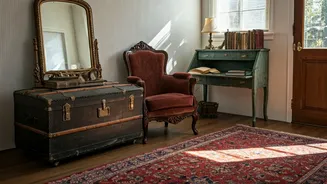
Choosing the right size is crucial. A common mistake in small spaces is using a rug that is too small, which can make the room feel disjointed. [12] A larger rug that extends under your main furniture pieces can actually make the space feel bigger and more unified. [2] As a general rule, try to leave about 12 to 18 inches of bare floor between the rug and the walls. [5] Don't be afraid to play with shapes, either. While a rectangular rug is a classic choice, a round rug can soften the hard edges of a square room and add a dynamic, playful touch. [5, 13] Layering rugs—placing a smaller, patterned rug over a larger, neutral one—is another pro-tip for adding depth and personality. [2, 16]
Beyond the Floor: Creative Rug Uses
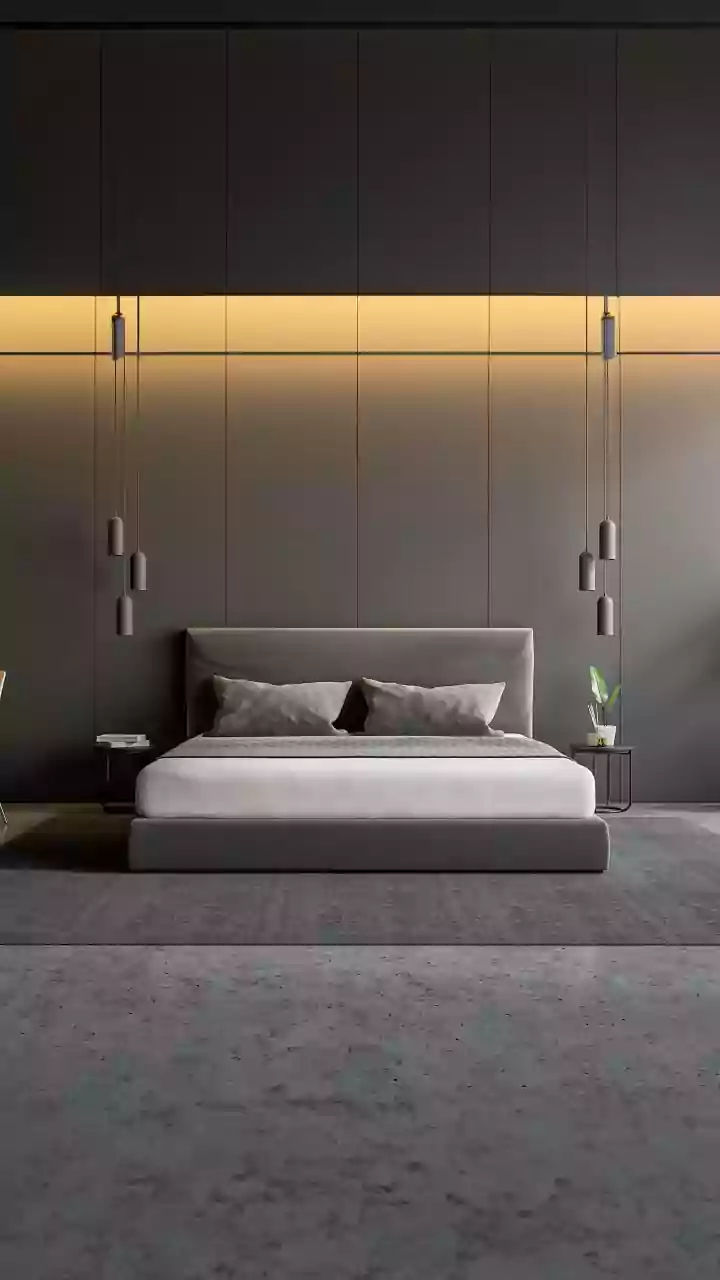
Think beyond the floor for a truly unique statement. A beautiful, lightweight rug with a compelling texture or pattern can be hung on the wall as a piece of art. This not only adds a dramatic focal point but also helps with sound absorption—a major bonus in a studio apartment. A vibrant, hand-woven cotton dhurrie or a geometrically patterned jute rug can function as a stunning tapestry behind your bed, acting as a creative headboard. This approach adds colour, pattern, and texture without taking up any valuable floor space, making it a perfect design hack for smaller homes where every square foot counts.