






The Philosophy of a Responsible Safari
Responsible wildlife tourism is more than just a set of rules; it's a mindset. The core idea is to observe animals in their natural habitat without altering their behaviour. It means prioritising their well-being over the perfect photograph and ensuring
that your visit contributes positively to the conservation of this UNESCO World Heritage Site. Think of yourself as a guest in their home. A great safari is not measured by how close you get, but by the quiet, low-impact presence you maintain, allowing the wildlife to remain in control of its space. This approach not only protects the animals but also enriches your own adventure, transforming it from a simple sightseeing tour into a genuine connection with nature.
Planning for an Ethical Trip
Your responsibility begins long before you see your first rhino. Start by choosing your tour operator wisely. Look for companies that are transparent about their conservation policies, employ local staff, and follow all park regulations. Be wary of operators that promise 'guaranteed sightings' or advertise unethical practices like off-roading or getting dangerously close to animals. When booking, use the official government portal or a reputable local agent. Pack thoughtfully: bring reusable water bottles to minimise plastic waste and wear clothing in neutral, earthy tones like brown and olive green. Bright colours can disturb animals, drawing unwanted attention. Finally, travel during off-peak seasons if possible to reduce pressure on the park’s resources.
On the Trail: The Golden Rules of Viewing
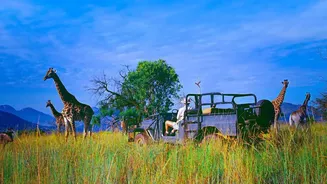
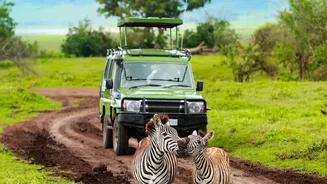
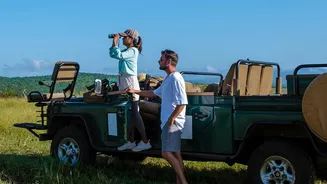
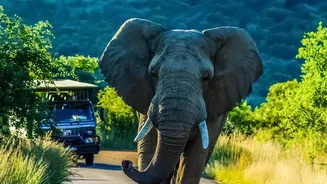
Once your jeep enters the park, a simple code of conduct ensures both your safety and the animals' peace. The most important rule is to listen to your guide and driver; they are trained professionals responsible for a safe and ethical safari. Maintain silence or speak in very low tones. Loud noises, music, and mobile phone ringers can frighten wildlife and ruin the experience for everyone. Never ask your driver to speed, blow the horn, or leave the designated safari route. It is strictly forbidden to get out of the vehicle, feed the animals, smoke, or light a fire. Feeding wild animals can alter their natural foraging behaviour and create a dangerous dependency on humans. Always keep a respectful distance, using binoculars and camera zoom lenses to get a closer look without intruding.
Beyond the 'Big Five'
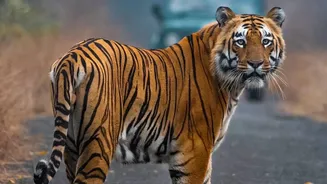
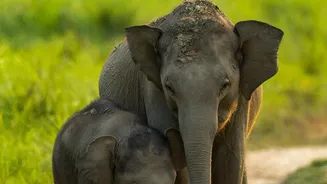
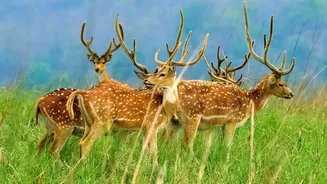
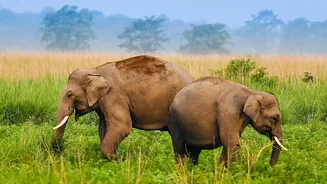
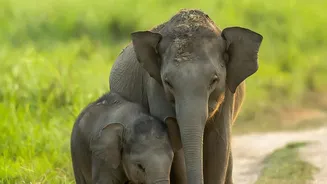
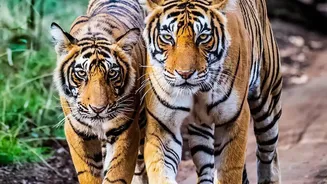
While Kaziranga is famous for its greater one-horned rhinoceroses, tigers, elephants, wild water buffalo, and swamp deer, the park is a complex ecosystem teeming with life. A responsible tourist learns to appreciate the entire landscape. Don't let a 'checklist' mentality dominate your safari. Take the time to observe the park's incredible birdlife, its unique grasslands, and the smaller creatures that are just as vital to the habitat. A good guide will be able to point out the richness of the flora and fauna beyond the headline attractions. Shifting the focus away from just a few key species reduces the pressure to 'chase' sightings and fosters a more holistic and satisfying appreciation for the wild. Remember that wildlife sightings are a matter of luck, not a guarantee.
Supporting the Ecosystem and Community
A truly responsible trip extends beyond the safari itself. Make conscious choices to support the broader conservation effort. When choosing where to stay, look for eco-friendly lodges or homestays that prioritize sustainability, such as by using renewable energy and managing waste effectively. Engage with the local communities by purchasing handicrafts directly from artisans. This ensures that the economic benefits of tourism are distributed fairly and gives local people a greater stake in protecting the park. Never litter; carry all your waste, especially plastics, back out with you for proper disposal. By making these small efforts, your visit becomes part of the solution, helping to preserve Kaziranga's natural splendour for generations to come.