


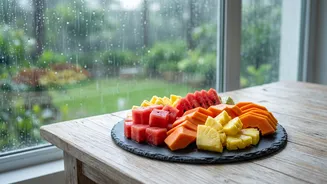
The Monsoon's Perfect Storm for Germs
The defining characteristics of the monsoon—high humidity and moderate temperatures—create an ideal breeding ground for bacteria, viruses, and fungi. This damp, warm environment allows microorganisms to multiply rapidly on surfaces, in water, and especially
on our food. Food that might be perfectly safe in the dry summer months can spoil much faster and become contaminated. Public health officials consistently note a significant spike in foodborne and waterborne illnesses like gastroenteritis, typhoid, and cholera during this period, often linked to compromised hygiene and the weather itself.
Why Cut Fruit is Uniquely Risky
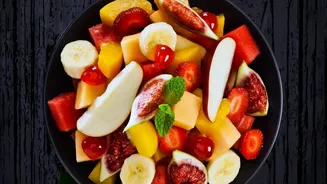
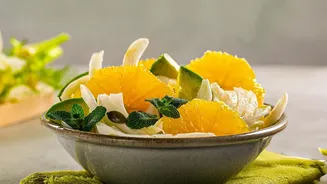
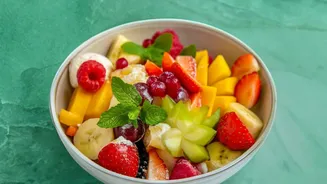
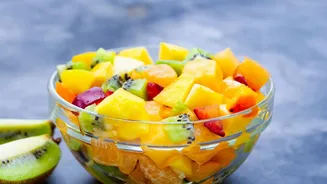
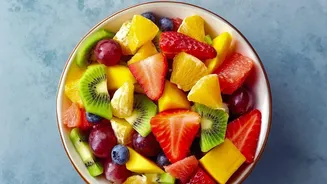
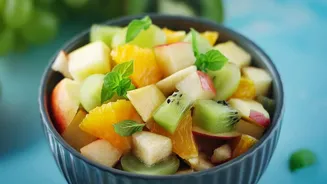
A whole fruit has a natural protective barrier: its skin. This peel prevents airborne and waterborne pathogens from reaching the nutrient-rich flesh inside. The moment a fruit is cut, this barrier is broken. The exposed, moist, and often sugary surface becomes an open invitation for bacteria. In the high humidity of the monsoon, any bacteria that land on the cut surface can multiply at an accelerated rate. This risk is magnified when fruits are cut and left exposed for long periods, which is common with street food vendors.
The Street Vendor Hazard
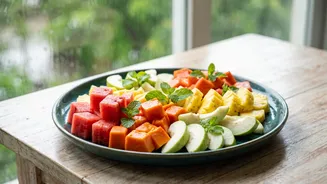
While convenient, pre-cut fruits sold by street vendors are particularly hazardous during the monsoon. Several factors contribute to this risk. The water used to wash the fruits or rinse the knives might be contaminated, a common problem when heavy rains affect local water supplies. The cutting boards and knives themselves may not be properly sanitised, leading to cross-contamination. Furthermore, the fruits are often left uncovered for hours, exposed to dust, flies, and other pollutants. Flies, which are more numerous in the monsoon, can easily transfer germs from waste to the food you are about to eat.
From Contamination to Illness
Consuming contaminated fruit can lead to a host of unpleasant and sometimes serious illnesses. Food poisoning is one of the most common outcomes, with symptoms including nausea, vomiting, diarrhoea, and stomach cramps. More severe waterborne diseases that can be transmitted through improperly handled food include typhoid fever, cholera, and Hepatitis A. People with weaker immune systems, such as young children, the elderly, and pregnant women, are at an even higher risk of developing severe complications from these infections.
How to Enjoy Fruits Safely
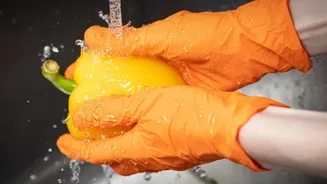
The solution is not to avoid fruits, which are a vital source of vitamins and antioxidants. Instead, the key is to handle them with care. Always opt to buy whole fruits. Look for produce that is firm and free from bruises or cuts. Before eating, wash the whole fruit thoroughly under clean, running water. For fruits with inedible peels, wash them before you cut them to prevent transferring germs from the skin to the flesh. The golden rule is to cut fruits yourself, right before you plan to eat them. If you have leftovers, they should be stored immediately in a clean, sealed container in the refrigerator.