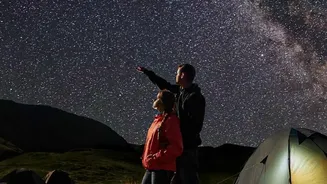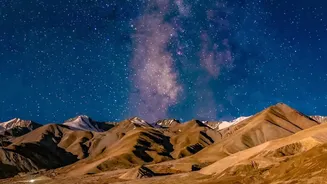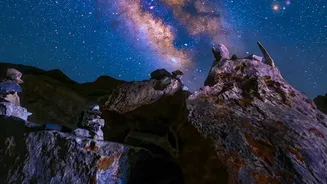





In the remote, high-altitude landscapes of India’s Himalayas, a quiet revolution is unfolding after sunset. As city skies grow brighter, travelers are seeking out the profound darkness of places like Spiti and Ladakh for a glimpse of the cosmos.
A Celestial Paradise
Spiti
Valley and Ladakh are not just beautiful by day; they are celestial sanctuaries by night. Situated in the rain shadow of the Himalayas, these regions boast high altitudes, dry air, and minimal light pollution, creating near-perfect conditions for stargazing. Locations like Hanle in Ladakh, home to one of the world's highest astronomical observatories, offer over 260 clear nights a year. The thin, transparent atmosphere at elevations exceeding 13,000 feet means stars don't just twinkle—they burn with a steady, intense light, and the Milky Way arches across the sky in breathtaking detail. This natural advantage has made the region a magnet for a growing niche of travelers: astrotourists, astrophotographers, and anyone seeking to reconnect with the night sky.
More Than a Room: The Homestay Evolution
At the heart of this emerging trend are the local homestays, which have evolved from simple lodgings into specialized hubs for night-sky enthusiasts. Traditionally offering a bed and a meal, these family-run establishments now provide tailored experiences that cater directly to the needs of stargazers. Initiatives like Astrostays have pioneered a community-centric model where tourism revenue directly supports the local economy. Instead of just providing accommodation, these homestays have become active participants in the celestial experience, transforming a simple visit into a deep cultural and astronomical immersion.
Catering to the Cosmos Crowd
So what does it mean to cater to an astrotourist? It’s about thoughtful details that make all the difference. Many homestays now offer access to telescopes, with some owners and guides trained to operate them and identify celestial objects. In villages like Maan and Phyang, local women have been trained not only in hospitality but also in basic astronomy, confidently guiding guests through the constellations and sharing local folklore connected to the stars. Some accommodations feature rooftop terraces reinforced to hold tripods, while others provide late-night hot meals and tea for photographers spending hours in the cold. These services recognize that for astrotourists, the main event begins long after other guests have gone to sleep.
A Sustainable Symbiosis
This specialized form of tourism creates a powerful, sustainable loop. Travelers get an authentic experience, connecting with both the cosmos and the culture, while local communities gain a vital source of income that doesn't disrupt their way of life. The revenue generated from these stargazing sessions is often reinvested into the community for projects like solar water heaters and greenhouses, enhancing local resilience. By empowering locals, particularly women, with new skills in astronomy and hospitality, astrotourism provides employment opportunities in remote areas, reducing the need for young people to migrate to cities. This model proves that tourism can be a force for good, preserving both cultural heritage and the natural environment—including the darkness of the night sky itself.