




The Great Un-Jaring
The move away from instant coffee is more than a simple change in shopping habits; it’s a cultural shift. Young, urban consumers, particularly Millennials and Gen Z, are driving the demand for a more elevated coffee experience. This demographic, which
now makes up nearly 65% of specialty coffee consumers, is increasingly curious about the story behind their beverage. They want to know where their beans were grown, who farmed them, and how they were roasted. This shift is part of a broader trend towards mindful consumption, where authenticity and craftsmanship are valued over mass production. The days when coffee was just a functional caffeine delivery system are fading. Now, it's becoming a canvas for identity and expression.
What is 'Third Wave' Coffee?
This movement is often called the “third wave” of coffee. The first wave was the popularisation of instant, mass-market coffee. The second wave brought the rise of cafe culture and espresso-based drinks popularised by chains. The third wave, which India is now firmly in, treats coffee as an artisanal product, much like fine wine or craft chocolate. It prioritises high-quality, single-origin beans, where the coffee comes from a specific farm or region, allowing its unique flavour profile to shine. This focus on traceability and quality has been championed by a new wave of Indian roasters and cafes like Blue Tokai, Third Wave Coffee Roasters, and Corridor Seven, who have been instrumental in educating consumers and making specialty coffee accessible.
The South Indian Terroir
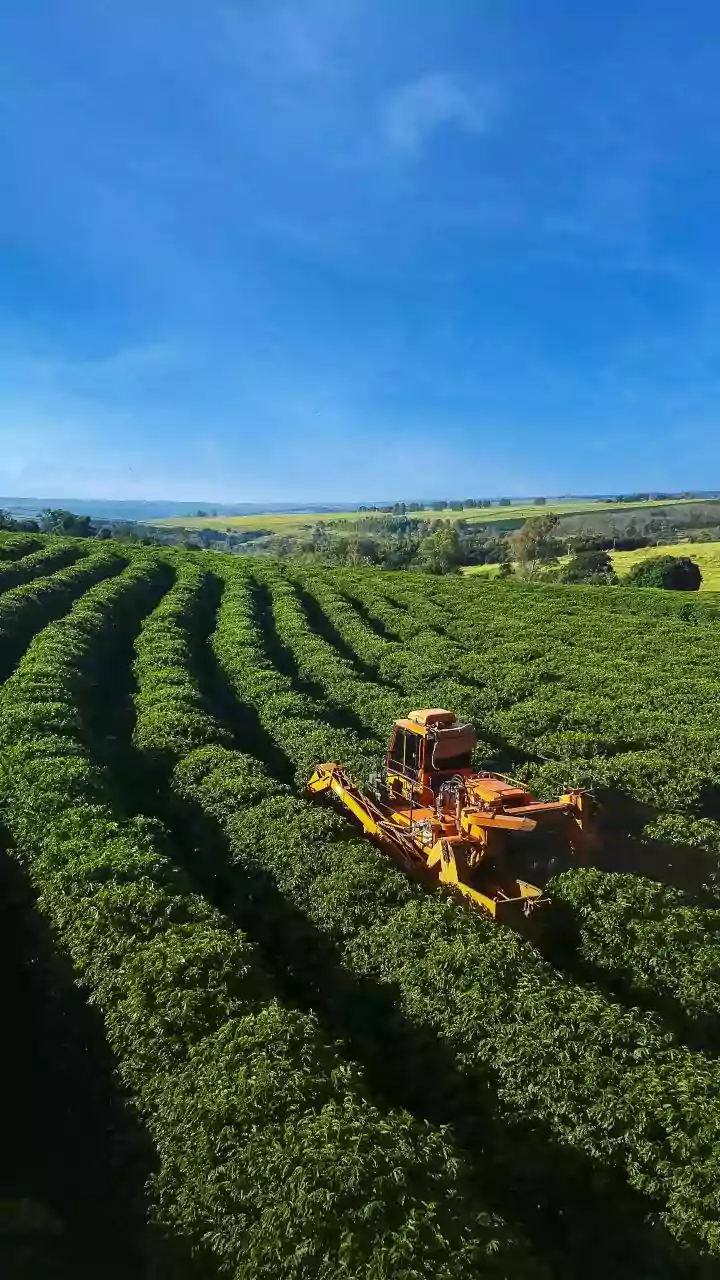
South India is the heartland of this revolution, as the country's primary coffee-growing region. States like Karnataka, Kerala, and Tamil Nadu, along with the increasingly prominent Araku Valley in Andhra Pradesh, offer a diverse range of flavours shaped by their unique 'terroir'—the combination of soil, altitude, and climate. Karnataka, which produces over 70% of India's coffee, is home to the famous regions of Chikmagalur and Coorg (Kodagu). Chikmagalur, often called the birthplace of Indian coffee, produces beans with notes of caramel and citrus, while Coorg's cooler climate yields a fuller-bodied, spiced cup. Araku Valley, known for its organic and tribal-grown coffee, offers a distinct fruity acidity. This regional diversity is what makes exploring single-origin Indian coffees so rewarding.
Cafes, Clicks, and Home Brewing
The proliferation of design-conscious specialty cafes has been a major driver, creating 'third places' for work and socialising while normalising the language of pour-overs and cold brews. But the trend isn't confined to cafes. The rise of direct-to-consumer (D2C) brands and e-commerce platforms has made freshly roasted, high-quality beans from estates in the Western Ghats available to anyone with an internet connection. This accessibility has fuelled a significant boom in home brewing. Armed with equipment like the AeroPress or a simple pour-over cone, young coffee enthusiasts are recreating cafe-quality experiences in their own kitchens, moving beyond convenience to embrace the ritual and craft of brewing a perfect cup.