






The New Digital Compass
Forget dusty guidebooks and crowded tourist hotspots. For a growing number of young Indian adventurers, the thrill of travel lies not in visiting a place, but in discovering it. Armed with nothing more than a smartphone and a data connection, they are
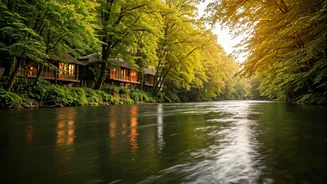
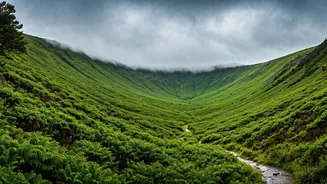
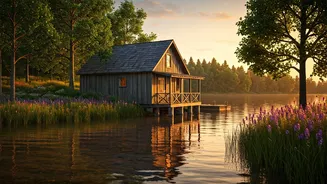
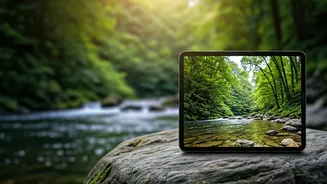
pioneering a new form of exploration. Their tool of choice? Digital maps, used not just for navigation, but for prospecting. They scour satellite imagery on platforms like Google Earth and other mapping services, searching for hidden waterfalls, secluded riverbanks, and untouched patches of forest that exist as pixels on a screen before they become footprints on the ground. This isn't about following a pre-set itinerary; it's about creating one from scratch, turning the vast, digitally rendered landscape of India into a modern-day treasure map.
Escaping the Crowds
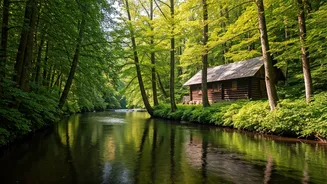
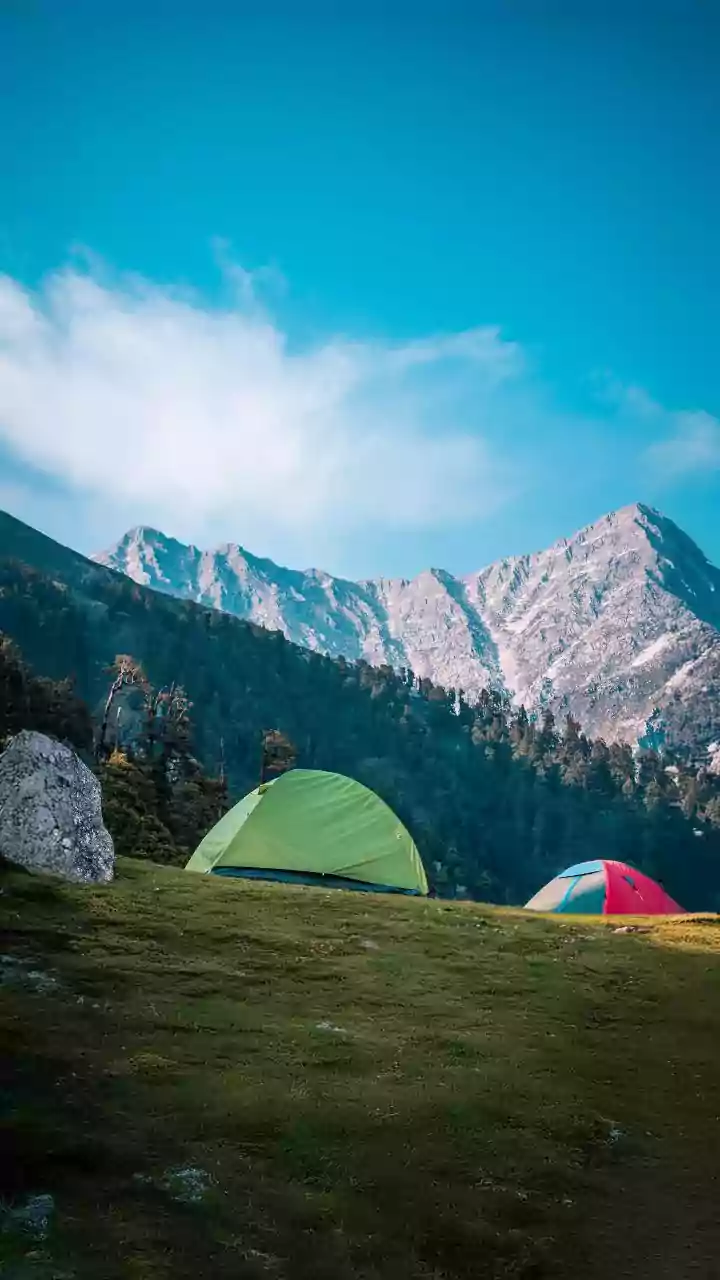
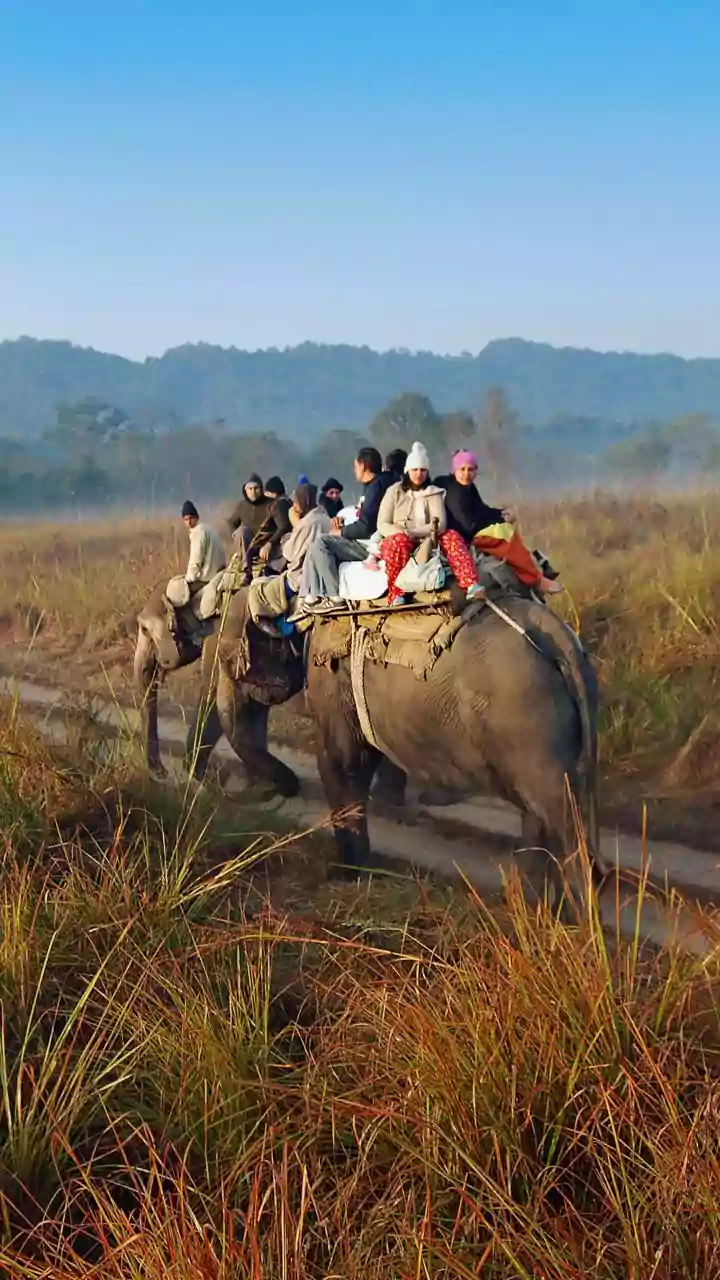
The motivation behind this trend is a direct reaction to the commercialisation and overcrowding of mainstream tourism. Destinations like Manali, Shimla, and Goa, while beautiful, are often swamped with visitors, turning a quest for peace into a battle for parking spots and hotel rooms. Young travellers, fueled by a desire for authenticity and a genuine connection with nature, are actively seeking alternatives. They crave the silence of a riverside camp, the unfiltered view of a starry sky, and the satisfaction of reaching a place through their own ingenuity. Social media plays a dual role here. While it can contribute to overcrowding by popularising 'secret' spots, it also serves as a platform for sharing the ethos of off-grid travel, inspiring others to look beyond the top 10 lists and forge their own paths.
The Explorer's Toolkit
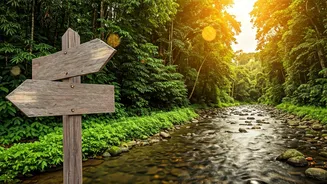
Finding these havens is a digital art form. It begins with a broad search on a satellite map, perhaps focusing on a state like Uttarakhand, Himachal Pradesh, or Karnataka. The explorer zooms in on a river system, far from main roads and towns. They look for specific topographical clues: a flat, sandy, or grassy patch next to the water, indicating a potential campsite; a gentle bend in the river suggesting calmer currents; and tree cover for shade. The next step involves cross-referencing. They might use a terrain layer to check for steep, inaccessible cliffs. They'll search for the faintest signs of a trail, which could be a path used by local villagers. Finally, they turn to blogs and forums, not for directions, but for fragments of information—a mention of a particular river valley or a remote village that can serve as a starting point for their own trek. The last mile is always analog, a challenging hike into the wilderness.
Responsibility in the Wild
This newfound freedom, however, comes with a significant responsibility. These 'unmapped' havens are often part of fragile ecosystems, untouched precisely because they have been inaccessible. The arrival of even small, well-intentioned groups can have a negative impact. Discarded plastic, campfire scars, and noise pollution can disrupt local wildlife and taint the very pristine nature these travellers seek. The ethos of 'Leave No Trace' is paramount. This principle involves packing out everything that is packed in, including all waste; using existing fire rings or forgoing campfires altogether; and respecting wildlife from a distance. The pioneers of this movement understand that the right to explore comes with the duty to protect. The goal is to leave these places as they were found, ensuring that the magic of discovery remains for the next person, and for nature itself.