



The Pacific's Potent Pulse
El Niño is the warm phase of a natural climate cycle known as the El Niño-Southern Oscillation (ENSO). Typically, trade winds blow from east to west across the Pacific, pushing warm surface water towards Asia. During an El Niño, which occurs every two
to seven years, these winds weaken. This allows a vast expanse of warm water to shift eastward, toward the coast of South America. This seemingly simple change in sea surface temperature is powerful enough to disrupt weather patterns globally, influencing everything from hurricane seasons in the Atlantic to monsoon rainfall in South Asia. Forecasts for the 2026-2027 event are particularly alarming, with some models suggesting it could be the strongest ever measured, potentially exceeding previous records by a significant margin.
A Stronger Signal in a Warming World
While El Niño is a natural phenomenon, its interaction with human-caused climate change is a growing concern for scientists. A warmer global atmosphere holds more moisture, which can amplify the effects of El Niño, making rainfall events more extreme. Some recent studies suggest that climate change may be increasing the frequency of strong El Niño events. The World Meteorological Organization has indicated that the current El Niño is developing rapidly, with a high probability of it becoming a very strong event through the Northern Hemisphere's autumn and winter. This means cities aren't just facing a routine climate pattern; they are facing a supercharged version that poses a greater threat.
India’s Urban Flashpoints
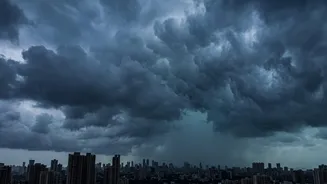
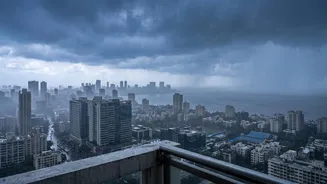
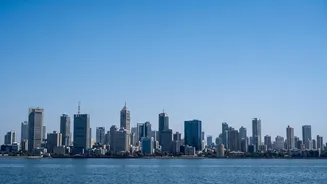
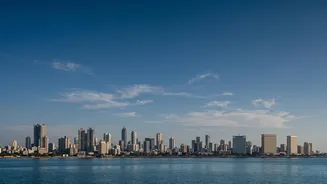
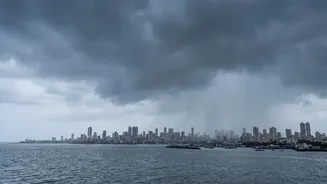
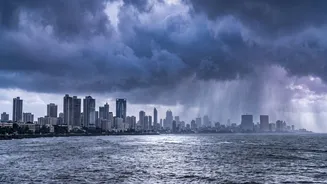
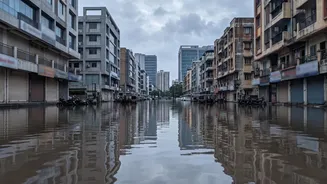
For Indian cities, a powerful El Niño presents a complex and contradictory set of risks. The phenomenon is typically associated with weaker monsoon rainfall overall, raising the threat of drought and water scarcity in many regions. However, a weaker monsoon doesn't mean less danger. Research shows that El Niño years can feature long dry spells punctuated by sudden, intense bursts of extreme rainfall, leading to devastating urban floods. Cities like Mumbai, already vulnerable to drier conditions during strong El Niños, must also prepare for these intense downpours that can overwhelm outdated drainage systems. Simultaneously, the heat associated with El Niño is amplified by the 'urban heat island' effect, where concrete and asphalt absorb and retain far more heat than natural landscapes, putting vulnerable populations at severe risk of heat-related illness.
Cascading Crises for City Life
The impacts of these extreme weather events cascade through a city’s critical systems. Flooding can damage roads and transport infrastructure, cutting off communities and disrupting supply chains. Water scarcity from prolonged drought can strain everything from household supplies to hydropower generation. Intense heatwaves increase demand for electricity as air conditioning use spikes, potentially straining power grids at the worst possible moment. These are not isolated incidents; they are interconnected shocks that can disrupt a city’s economy, public health, and fundamental services. The concentration of people and critical infrastructure in urban areas makes them particularly vulnerable to these cascading failures.
Moving from Reaction to Resilience
Effective disaster planning in this new reality means moving beyond reactive measures like emergency response. Cities must embrace proactive, risk-informed development. This includes upgrading and maintaining critical infrastructure to withstand both flooding and heat stress. It means integrating 'blue-green infrastructure'—like parks, wetlands, and permeable surfaces—into urban planning to absorb rainwater and mitigate the urban heat island effect. Investing in sophisticated early warning systems that provide location-specific alerts for heatwaves and flash floods is also critical. For India, where much of the urban infrastructure needed by 2050 is yet to be built, there is a crucial opportunity to ensure that resilience is integrated into every new project.