




Beyond the Beautiful Box
Walking into a speciality tea shop can be a sensory delight. Walls lined with tins, the air filled with fragrant blends, and names that evoke distant lands and calming rituals. It is easy to be captivated. Yet, making an informed choice requires looking
past the marketing. The best tea experience comes from understanding its core components. While high-quality loose-leaf teas are often superior to the broken leaves in many mass-market bags, not all speciality blends are created equal. Some are pure, single-origin treasures, while others are complex creations with added flavours, fruits, and, sometimes, sugars. Your journey to becoming a savvy tea shopper begins with curiosity about what is inside the box, focusing on two key elements: the stimulant effect from caffeine and the flavour profile from both natural and added sweetness.
The Complex World of Caffeine
It's a common myth that tea's caffeine content can be neatly ranked by type—black highest, then oolong, green, and white lowest. The reality is far more nuanced. While an average cup of black tea may have 40-70 mg of caffeine and green tea 20-45 mg, these ranges can overlap. In fact, some white teas, made from young, tender buds, can be surprisingly high in caffeine. The final caffeine amount in your cup depends on many factors: the specific tea plant varietal, its growing conditions, the age of the leaves at harvest, and processing methods. Your brewing technique also plays a huge role. Using hotter water and steeping the leaves for a longer time will extract more caffeine. For those seeking a truly caffeine-free option, herbal tisanes—made from botanicals like chamomile, peppermint, or rooibos—are the only guaranteed choice, as they do not come from the Camellia sinensis tea plant. Decaffeinated teas, by contrast, still contain trace amounts, typically 1-8 mg per cup.
Navigating the Sweetness Spectrum
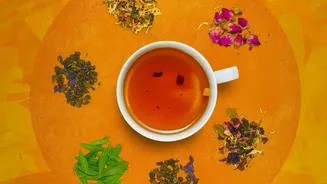
Many speciality blends get their alluring flavours from ingredients like dried fruit, spices, and floral petals. Some ingredients, such as licorice root or cinnamon, provide a natural, subtle sweetness without added sugar. However, many other blends contain added sweeteners to enhance flavour or mask lower-quality tea. These can be obvious, like rock sugar crystals mixed in with the leaves, or less apparent. Watch out for ingredients like 'candied fruit,' which is fruit preserved in sugar syrup. Reading the nutrition label is your best tool. Look for the 'Added Sugars' line, which is now mandatory on many food labels and distinguishes sugars added during processing from those naturally occurring in ingredients like fruit. A food is considered high in added sugars if it contains 20% or more of the recommended Daily Value (%DV).
How to Read the Ingredient List
When the 'Added Sugars' line isn't available or clear, the ingredient list is your next stop. Manufacturers use dozens of names for sugar, but there are common clues. Be on the lookout for any word ending in '-ose,' such as sucrose, dextrose, or fructose. Syrups are another major category, including high-fructose corn syrup, rice syrup, or maple syrup. Other aliases for sugar include cane juice, caramel, and molasses. Ingredients are listed by weight, so if a form of sugar appears in the first few spots, it's a primary component of the blend. Don't be fooled by terms like 'natural sweeteners' such as honey or agave; your body processes them similarly to table sugar, and they are still considered added sugars when not naturally present in a food.
Smart Shopping and Brewing Strategies
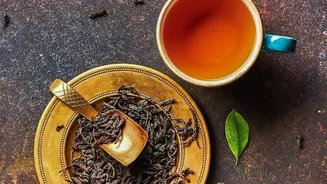
To make the best choice, start by defining your preferences. Do you need a morning boost or a relaxing evening cup? Are you looking for a fun, fruity blend? When in a shop, don't hesitate to ask questions. Ask the staff if a blend contains added sweeteners or to describe its flavour profile. A reputable seller should be transparent about their ingredients. Whenever possible, ask to smell the tea or see the loose leaves; high-quality leaves should appear uniform and have a vibrant, natural aroma. To truly develop your palate, start with single-origin, unflavoured teas. This will help you appreciate the inherent flavour nuances of different tea types, from the grassy notes of a Japanese green tea to the robust, malty character of an Assam black tea. This foundational knowledge will make you a more discerning shopper when you venture into the world of complex blends.