







Secure Luggage Beyond a Simple Padlock
The most common anxiety on an overnight train is the security of your belongings. While a padlock is a good start, it’s not always enough. The single most effective hack is to carry a sturdy bicycle chain or a metal cable lock. Most berths have metal loops
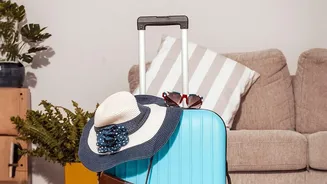
or bars underneath them specifically for this purpose. Before settling in for the night, loop the chain through the handles of your suitcases or backpacks and secure it tightly to the fixture under your seat. This simple step acts as a powerful deterrent against grab-and-run theft, which is more common than lock-picking. It ensures that even if someone tries to move your luggage while you sleep, it won't go anywhere.
Choose Your Berth Wisely
Not all berths are created equal when it comes to security and privacy. Whenever possible, book an upper berth. It offers a significant advantage as it is harder for anyone to reach your belongings while you sleep. You also gain a degree of privacy, as you are away from the general foot traffic in the aisle and fellow passengers won't use your space to sit during the daytime. For solo female travellers, the upper berth is often recommended as it creates a more secluded and private space. If you can't get an upper berth, try to position your most valuable items on the side of the berth against the wall, not towards the open aisle.
Create a 'Go-Bag' for Valuables
Never leave your most critical items in your main luggage, even if it's chained up. Pack a small, separate 'go-bag' or sling bag containing your wallet, phone, power bank, passport, tickets, and any essential medications. This bag should never leave your side. When you sleep, you can use it as a pillow or keep it tucked under your blanket near your body. If you need to use the washroom or step out at a station, you take only this small bag with you, leaving your larger, less valuable luggage securely chained. This strategy minimizes risk and gives you peace of mind, as your most important possessions are always within your personal control.
Master Your Hygiene Kit
Sleeper class journeys require a bit of self-sufficiency when it comes to hygiene. Your packing list should absolutely include a hand sanitiser, wet wipes, and your own toilet paper or tissues, as these are rarely provided. Antibacterial wipes are great for quickly cleaning your seating area, berth handles, and the fold-out table. Consider packing soap strips or a small bottle of liquid soap for the washbasins. For trips to the washroom, especially at night, having a pair of flip-flops is a must to avoid walking on wet floors. A small torch or your phone's flashlight can also be very helpful in dimly lit areas.
Pack for Comfort and Uninterrupted Sleep
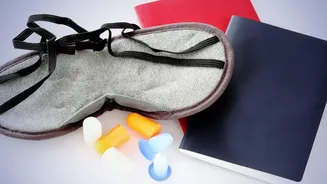
Bedding is not provided in sleeper class, so you need to bring your own. However, you don't need a bulky bedroll. A lightweight blanket or a shawl can be surprisingly effective against the cold from open windows at night. An inflatable travel pillow is a game-changer for neck support and packs down to a tiny size. To block out the inevitable noise and light from stations and fellow passengers, an eye mask and a good pair of earplugs are essential for a restful sleep. Think of this as creating your own personal comfort bubble, allowing you to wake up refreshed at your destination.
Stay Hydrated and Snack Smart
While food is available from vendors, it's always wise to be cautious. Pack your own non-perishable, mess-free snacks like nuts, dry fruits, energy bars, or biscuits. It's also crucial to stay hydrated, so carry at least one large reusable water bottle that you can refill at major stations. Always buy sealed water bottles from authorised stalls if you need to purchase more. It is generally advised not to accept food or drinks from strangers, no matter how friendly they seem, as a basic safety precaution. Having your own supply means you are in full control of your food and water safety throughout the journey.