





The Danger of 'High-Rise Syndrome'
Veterinarians have a term for the collection of injuries pets sustain from falling from a height of two stories or more: 'high-rise syndrome'. Cases often increase during warmer months when windows and balcony doors are left open. A cat's natural curiosity
and hunting instinct, or a dog's excitement at seeing a squirrel, can lead them to leap or lose their footing. Even a fall from a second-story window can cause devastating injuries, including broken bones, jaw fractures, and severe internal trauma. Despite their reputation for landing on their feet, cats are not immune; their righting reflex can be ineffective from certain heights, and the impact can be severe.
Assess Your Travel Accommodation Immediately
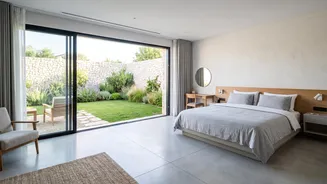
Before you even unpack your suitcase, do a thorough safety sweep of your temporary home. Open the balcony door and examine the railings. Are the gaps wide enough for your pet to squeeze through? Could a smaller dog or cat slip underneath? Check the sturdiness of the railings themselves. Look at all the windows. Do they open wide? Are the screens flimsy, damaged, or non-existent? Standard insect screens are not designed to hold the weight of a leaning dog or resist a cat's claws. They can pop out easily, creating a dangerous opening. Identifying these potential hazards the moment you arrive is the first step in creating a safe environment.
Temporary Solutions for Balconies
You don't need permanent renovations to make a hotel balcony safer. For railing gaps, temporary solutions like plastic mesh fencing, often called 'chicken wire', can be easily rolled out and attached to the railings with zip ties. This creates a simple but effective barrier. Some pet owners travel with rolls of lightweight garden or screen mesh for this very purpose. Another strategy is to ensure no furniture is placed near the railing, removing any 'launch pads' your pet could use to climb or jump. For maximum safety, especially for smaller or more determined pets, consider keeping them on a harness and leash when on the balcony or restricting access altogether.
Securing Windows Without Compromising Airflow
Fresh air is great, but an open window can be a fatal temptation. If a window has no screen or a weak one, only open it a crack from the top or bottom, ensuring the opening is too small for your pet to fit through. Specialised, heavy-duty pet screens are stronger than regular mesh but are not something you can install in a rental. Therefore, you must work with what you have. Portable window guards or locks can be a good travel item to limit how far a window can open. Never, ever rely on a standard insect screen to act as a safety barrier. A pet's excitement can cause them to push directly through it.
Constant Supervision is Key
Ultimately, no physical barrier is a substitute for your watchful eye. Never leave a pet unattended on a balcony, even if you believe it's been secured. A moment's distraction is all it takes for an accident to happen. When you leave your accommodation, ensure all windows are securely closed and the balcony door is locked. By creating a 'safe zone' inside and always supervising their outdoor time on the balcony, you are providing the most reliable form of protection. Think of it as the same level of care you'd give a toddler in a new environment.