





Why Yoga Works for Flexibility
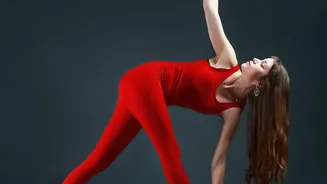
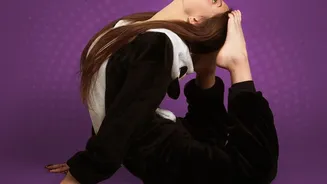
Yoga is highly effective for improving flexibility because it combines physical postures with mindful breathing. This powerful duo works on multiple levels. The poses, or asanas, gently stretch your muscles, helping to lengthen muscle fibers over time.
One study showed that participants improved their flexibility by up to 35% after just eight weeks of regular yoga. Beyond the muscles, yoga also targets the body’s fascia, a web of connective tissue that surrounds every muscle and organ. When you are inactive, this fascia can become stiff, restricting movement. The varied movements in yoga—forward bends, twists, and side stretches—help hydrate this tissue and break up adhesions, improving your overall suppleness. Finally, deep breathing techniques used in yoga help relax the nervous system, signaling your muscles that it is safe to release and stretch further.
A Simple Routine to Begin
You don't need to be able to touch your toes to start. The goal is consistency, not perfection. A short, 15-minute daily practice can yield significant results over time. Here are five foundational poses perfect for beginners looking to enhance their flexibility. Move slowly, breathe deeply, and never push into pain.
1. Cat-Cow Stretch (Marjaryasana-Bitilasana)
This gentle spinal movement is perfect for warming up. Start on your hands and knees in a tabletop position, with your wrists under your shoulders and knees under your hips. As you inhale, drop your belly, lift your chest and tailbone, and look forward (Cow Pose). As you exhale, round your spine toward the ceiling, tucking your chin to your chest, like a cat stretching its back (Cat Pose). Repeat this fluid movement for 5-10 breath cycles to gently awaken the spine.
2. Downward-Facing Dog (Adho Mukha Svanasana)
From your hands and knees, tuck your toes and lift your hips up and back, forming an inverted 'V' shape with your body. Keep your hands shoulder-width apart and feet hip-width apart. It's okay to keep a generous bend in your knees, especially when you're starting out; this helps lengthen your spine. Gently 'pedal' your feet by bending one knee and then the other to stretch your hamstrings and calves. This pose is a full-body stretch that decompresses the spine and strengthens the arms and shoulders.
3. Low Lunge (Anjaneyasana)
From Downward-Facing Dog, step your right foot forward between your hands. Lower your left knee to the mat, keeping your right knee stacked over your right ankle. You can keep your hands on the floor or bring them to your right thigh for support. This pose provides a deep stretch for the hip flexors and quadriceps, which are often tight from prolonged sitting. Hold for 5-8 breaths and then switch sides.
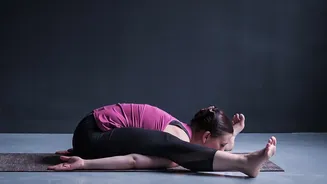
4. Seated Forward Bend (Paschimottanasana)
Sit on the floor with your legs extended straight in front of you. You can sit on the edge of a folded blanket to help tilt your pelvis forward. Inhale to lengthen your spine, and as you exhale, hinge at your hips to fold forward over your legs. Don't worry about how far you go. Simply rest your hands on your shins or ankles and relax your neck. This pose is a fantastic stretch for the hamstrings and the entire back of the body.
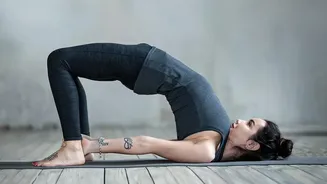
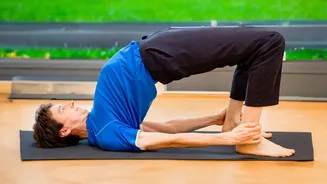
5. Bridge Pose (Setu Bandhasana)
Lie on your back with your knees bent and feet flat on the floor, hip-width apart. You should be able to touch your heels with your fingertips. Press into your feet and lift your hips off the floor. Keep your thighs parallel. This pose gently stretches the front of the body—including the chest, shoulders, and hip flexors—while strengthening the back. Hold for a few breaths, then slowly lower your spine back down to the mat.
Tips for a Consistent Home Practice
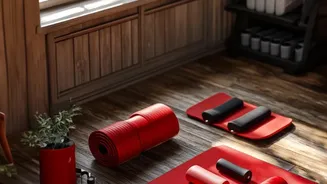
The key to seeing real change in your flexibility is making yoga a regular habit. Create a dedicated, quiet space, even if it's just a small corner of a room. You don't need fancy equipment to start; a simple non-slip mat is enough. Try to practice at the same time each day to build a routine. Most importantly, listen to your body. Some days you may feel more energetic, while on others a gentler, restorative practice is what you need. Flexibility is a journey, not a destination.