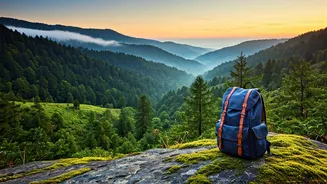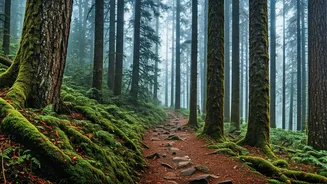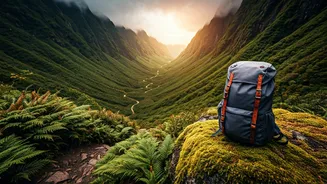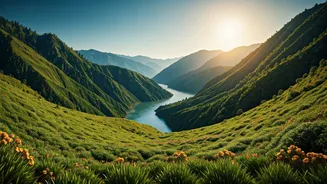



The New Call of the Wild
For decades, the travel map for young Indians was fairly predictable: Goa for the beaches, Himachal for the mountains. The Northeast, with its complex permits, perceived remoteness, and lack of tourist infrastructure, remained on the periphery. Not anymore.
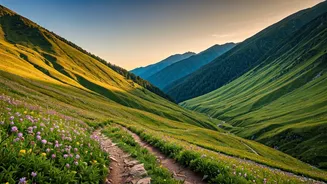
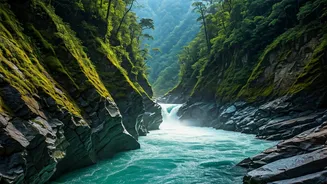
A perfect storm of factors has turned the region into the new frontier for Indian youth. Improved road and air connectivity have made access easier, while the rise of Instagram and travel vlogs has showcased its cinematic landscapes to millions. More importantly, there's a cultural shift. Post-pandemic, there is a palpable craving for authentic, off-grid experiences away from commercialised tourist traps. The Northeast, with its promise of 'untouched' nature and diverse indigenous cultures, fits the bill perfectly.
Meet the New-Age Explorer
So, who are these travelers? They are typically in their 20s and early 30s, a mix of college students on a budget and young professionals seeking a digital detox. Armed with smartphones for navigation and booking, they are resourceful and independent. Unlike traditional tourists, they aren't looking for luxury hotels or package tours. Instead, they seek out local homestays, favouring cultural immersion over cookie-cutter comfort. Their motivations are varied: for some, it's the physical challenge of trekking the Dzukou Valley; for others, it's the spiritual pull of Tawang's monasteries or the cultural kaleidoscope of the Hornbill Festival. The common thread is a desire to break away from the herd and script their own adventure, one village, one trail at a time.
From Ziro to the Last Village
The hotspots of this new travel wave are as diverse as the region itself. In Arunachal Pradesh, Ziro Valley has become a mecca, famous for its music festival and the unique Apatani culture. In Meghalaya, travelers are venturing beyond Shillong and Cherrapunji to discover living root bridges in remote villages like Nongriat. Nagaland, once known primarily for Kohima, now sees a steady stream of backpackers heading to small villages like Khonoma and remote corners of Mokokchung. Sikkim, long a favourite for family trips, is now drawing solo trekkers to its high-altitude lakes and trails in the west and north. This movement is not just about visiting places; it's about experiencing them slowly, often staying for weeks, working remotely, and forging genuine connections with local hosts.
A Blessing and a Burden
The word 'storm' in the headline is apt, as this sudden influx is a double-edged sword. On one hand, it's a significant economic boon. Homestay owners, local guides, and small cafe proprietors are seeing a direct increase in income, empowering communities from the ground up. This form of tourism fosters a genuine cultural exchange that can be incredibly enriching for both the traveler and the host. However, the surge is also creating pressure. The very idea of an 'untouched' valley is fragile. There are growing concerns about waste management, with plastic pollution becoming an issue in pristine areas. There's also the risk of 'over-tourism' in micro-locations, where a sudden rush of visitors can strain local resources and lead to the commodification of culture, turning sacred traditions into performances for tourists.
The Path to Mindful Exploration
The future of this incredible trend hinges on one word: responsibility. The onus is not just on local governments to create sustainable policies but on the travelers themselves. The new explorer needs to be a conscious one. This means following basic principles: carrying back non-biodegradable waste, hiring local guides, respecting local customs and traditions, and understanding that they are guests in someone's home, not just consumers of a scenic view. Several local communities and eco-tourism initiatives are already leading the way, promoting low-impact travel and ensuring the economic benefits are distributed equitably. The goal is to ensure that the valleys of the Northeast remain serene, not just for the next Instagram post, but for generations to come.