

An Escape to the Gentle Tides
When one thinks of India's western coastline, images of Goa's sun-drenched parties or Mumbai's urban energy often come to mind. Yet, nestled between the Sahyadri mountains and the Arabian Sea lies a network of serene rivers, creeks, and estuaries that
offer a vastly different experience. The backwaters of the Konkan region, stretching through Maharashtra and into Goa, are a liquid mosaic of mangrove forests, coconut groves, and sleepy fishing villages. Opting for a backwater trip here is to choose slow travel, where the journey itself—gliding on calm waters—is the main attraction. This is a world away from the crowded tourist trails, offering a chance to connect with a more authentic and peaceful side of coastal life. These waterways serve as the lifeblood for local communities and have fostered unique ecosystems that are a treasure trove for nature lovers.
Maharashtra's Kerala-Style Experience
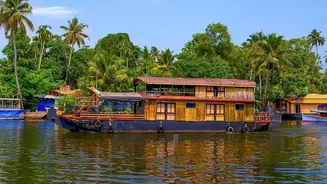
Many are surprised to learn that Maharashtra offers its own version of the famous Kerala houseboat experience. The Karli River in the Sindhudurg district, particularly near Tarkarli, is the epicentre of this emerging attraction. Here, comfortable houseboats, operated by both private entities and the Maharashtra Tourism Development Corporation (MTDC), allow you to spend a night or two afloat. A typical journey involves a gentle cruise in the evening and morning, revealing stunning vistas of verdant riverbanks. The scenic beauty of the Tarkarli backwaters is often described as beyond imagination, with virgin beaches and lush greenery providing a constant, soothing backdrop. Further up the coast, the Vashishti River near Chiplun offers a wilder adventure, where crocodile safaris are a major draw, allowing for thrilling yet safe encounters with the region's reptilian inhabitants in their natural habitat.
Goa Beyond the Beaches
In Goa, the rivers Mandovi, Zuari, and Chapora carve through the landscape, creating an intricate web of backwaters that remain one of the state's best-kept secrets. While the beaches are the main draw for most, exploring these inland waterways reveals a different Goa, one defined by tranquillity and nature. Kayaking on the Chapora River has become a popular activity for those seeking both adventure and peace. Paddling through its calm waters, you navigate dense mangrove forests that form a vibrant green canopy, offering a unique perspective on the local ecosystem. These guided tours, often timed for sunrise or sunset, provide a chance to see Goa's rich birdlife and experience a profound sense of calm that is hard to find on the busy coast. Other lesser-known spots like Divar Island and the serene Mayem Lake also offer a glimpse into this quieter, riverine culture.
A Sanctuary for Birds and Wildlife
The Konkan backwaters are more than just scenic waterways; they are a critical habitat for a diverse range of flora and fauna. The mangrove forests that line the estuaries are not only vital for preventing coastal erosion but also act as nurseries for fish and crustaceans. This rich biodiversity makes the region a paradise for birdwatchers. The wetlands and mudflats attract numerous species of herons, egrets, kingfishers, and even majestic White-bellied Sea Eagles. During migratory seasons, the area teems with shorebirds. Beyond the avian life, keen-eyed observers might spot smooth-coated otters playing on the riverbanks, a sign of a healthy aquatic environment. This corridor connecting the Western Ghats to the sea also supports larger mammals like leopards and deer in the forested patches nearby.
Connecting with Konkan Culture
A journey through the backwaters is also an intimate encounter with the local Konkani way of life. From your boat, you can witness the daily rhythms of fishing communities, watching fishermen cast their nets using traditional methods. The waterways are still used for local transport, connecting villages for weekly markets and social functions. Many eco-tourism and community-based initiatives are emerging, offering stays in traditional homes and serving authentic, locally sourced food like fresh seafood curries and dishes made with kokum and cashews. This approach ensures that tourism benefits local families directly, preserving both the environment and the cultural heritage of the region. It's a form of travel that is sustainable and mindful, leaving visitors with a deeper understanding of the land and its people.