





A Closer Look at the Research
Researchers at Maastricht University Medical Centre in the Netherlands wanted to see what would happen if healthy older adults added peanuts to their daily diet. The study, published in the journal 'Clinical Nutrition', was a randomized controlled crossover
trial—a high-quality study design. It involved 31 healthy men and women with an average age of 67. Participants were monitored during a 16-week period of eating peanuts and a separate 16-week period of not eating them, allowing for a direct comparison. The goal was to measure the long-term effects on brain vascular function and cognitive performance.
The Peanut Prescription: 60 Grams a Day
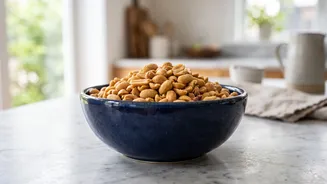
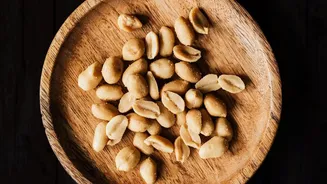
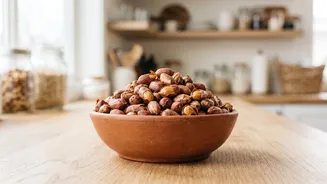
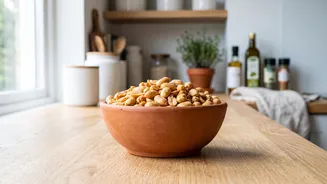
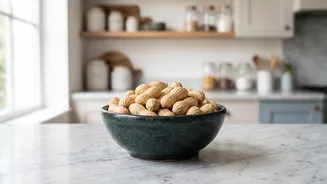
The instructions were simple yet specific. Participants in the study consumed 60 grams of unsalted, skin-roasted peanuts every day. This is roughly equivalent to two small handfuls or about two servings. It was important that the peanuts were roasted with the skin on, as the skin contains beneficial bioactive compounds. Participants had excellent compliance with the diet, ensuring the results were reliable. The researchers used advanced MRI imaging to get a precise look at what was happening inside the participants' brains.
The Impact on Memory and Brain Blood Flow
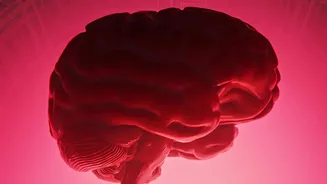
The results were quite promising. After 16 weeks of daily peanut consumption, participants showed significant improvements. Global cerebral blood flow (CBF)—the total amount of blood flowing through the brain—increased by 3.6%. This is crucial because blood delivers the oxygen and nutrients your brain needs to function well. More specifically, blood flow to the brain's grey matter increased by 4.5%. There was also a measurable improvement in verbal memory. Participants were able to correctly remember more words in a memory test, showing a 5.8% improvement in delayed verbal recall.
Why Peanuts? The Nutritional Powerhouse
So, what makes peanuts so special for the brain? They are packed with nutrients that support vascular health. Peanuts are rich in L-arginine, an amino acid the body uses to create nitric oxide, which helps relax blood vessels and improve blood flow. They are also a great source of unsaturated fatty acids and antioxidant polyphenols like resveratrol, which are often found in the peanut's thin, papery skin. These compounds are thought to play a role in gut-brain interactions and support the overall health of blood vessels, which in turn benefits the brain.
What This Means for You
For many in India, peanuts (or 'moongphali') are already a beloved and common part of the diet, whether roasted as a snack, added to poha, or ground into chutneys. This study reinforces the potential health benefits of this humble legume. Opting for unsalted, roasted peanuts with their skins on appears to be the most beneficial way to consume them, based on this research. While this single food won't act as a magic bullet, incorporating a moderate amount of peanuts into an already balanced diet could be a simple and delicious strategy for supporting long-term brain health.
A Balanced Perspective is Key
It's important to view these findings in context. This was a relatively small study with 31 participants, so larger studies are needed to confirm the results. The researchers themselves noted that while the results are promising, they don't prove that eating peanuts can prevent conditions like Alzheimer's disease. Rather, the study shows a specific mechanism—improved blood flow and insulin responsiveness—that may contribute to better cognitive function. It highlights peanuts as one component of a brain-healthy diet, which should also include a variety of fruits, vegetables, and whole grains, similar to the well-regarded Mediterranean diet.