




Meet Kokum: The Tangy Superfruit of the Western Ghats
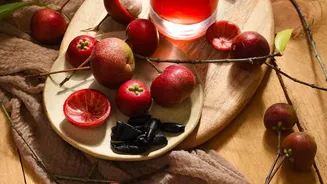
For generations, kokum, or Garcinia indica, has been a household staple along India's western coast. This small, deep-purple fruit is prized for its sharp, tangy flavour and has traditionally been used as a souring agent in curries, much like tamarind.
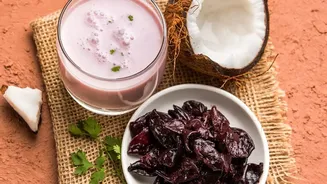
Its most famous preparations are the cooling 'sherbet' and 'sol kadhi', a soothing digestive drink made with coconut milk. Native to the Western Ghats, this fruit is more than just a flavour enhancer; it's steeped in culinary heritage. Ayurvedic traditions value kokum for its cooling properties, making it a go-to remedy for heat and an aid for digestion.
The Cold-Steeping Difference
While hot-brewed kokum sherbet is a classic, the modern metro trend hinges on a different technique: cold steeping. Instead of boiling the dried rinds, they are soaked in cold water for several hours, often overnight. This gentle process extracts the fruit’s vibrant flavour and colour without the bitterness that can come from high heat. The result is a smoother, more nuanced base that is perfect for crafting complex non-alcoholic drinks. Much like cold-brew coffee, this method preserves the delicate, fruity notes of the kokum, creating a more refined and refreshing beverage that serves as an excellent canvas for mocktails.
A Health-Conscious and Low-Sugar Choice
One of the biggest drivers of the kokum mocktail trend is health. Urban consumers are increasingly shunning sugary sodas and juices. Kokum is naturally low in sugar and calories, making it an ideal choice for the health-conscious. Its characteristic tang comes from organic acids like hydroxycitric acid (HCA) and citric acid, not from added sweeteners. In fact, unsweetened kokum sherbet is often recommended for those managing blood sugar levels. Beyond being low-sugar, kokum is packed with antioxidants like garcinol and anthocyanins, which are known for their anti-inflammatory properties. It’s traditionally celebrated for aiding digestion, reducing acidity, and boosting immunity, making it a functional beverage that delivers benefits far beyond simple refreshment.
Why Now? The Metro Appeal
The rise of cold-steeped kokum mocktails is perfectly timed with several converging cultural shifts in India's cities. Firstly, there's the booming wellness movement, with a strong emphasis on clean labels and functional foods. Secondly, the 'sober curious' trend has created a huge demand for sophisticated, adult non-alcoholic beverages that are more interesting than a simple lime soda. Bars and cafes are now crafting complex zero-proof cocktails that require skill and high-quality ingredients. Thirdly, there is a renewed pride in indigenous Indian ingredients. Chefs and mixologists are looking inward, rediscovering and reinterpreting traditional flavours for a modern palate. Kokum, with its unique flavour profile and health credentials, fits perfectly into this new narrative, offering a taste of tradition in a contemporary, stylish format.
Crafting Your Own Kokum Elixir at Home
Joining the trend is simple. To make a basic cold-steeped kokum concentrate, soak a handful of dried kokum rinds in two cups of water overnight. In the morning, mash the rinds gently and strain the liquid. This beautiful, ruby-red infusion is your base. For a simple mocktail, fill a glass with ice, pour in about 60ml of the kokum concentrate, top with sparkling water, and add a pinch of black salt. From there, you can get creative. Muddle some fresh mint leaves in the glass for a Kokum Mojito, add a splash of ginger juice for a spicy kick, or mix with coconut water for a tropical twist. The tangy base pairs surprisingly well with spices like roasted cumin or even a hint of black pepper, allowing for endless customisation.