
From Monolith to Micro-Regional
For decades, Indian food outside of the subcontinent was often presented through a simplified lens, relying on a handful of well-known spices and dishes like butter chicken. But a significant shift is underway. Diners and chefs are now celebrating the immense
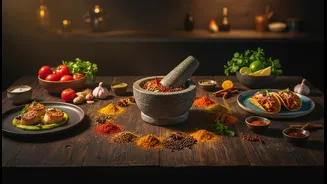
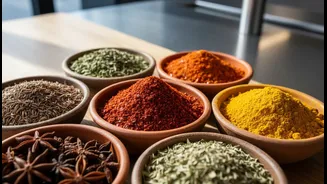
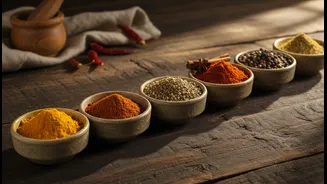
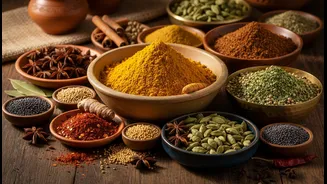
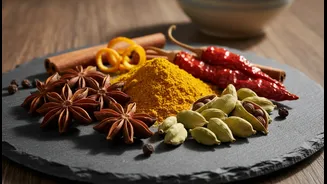
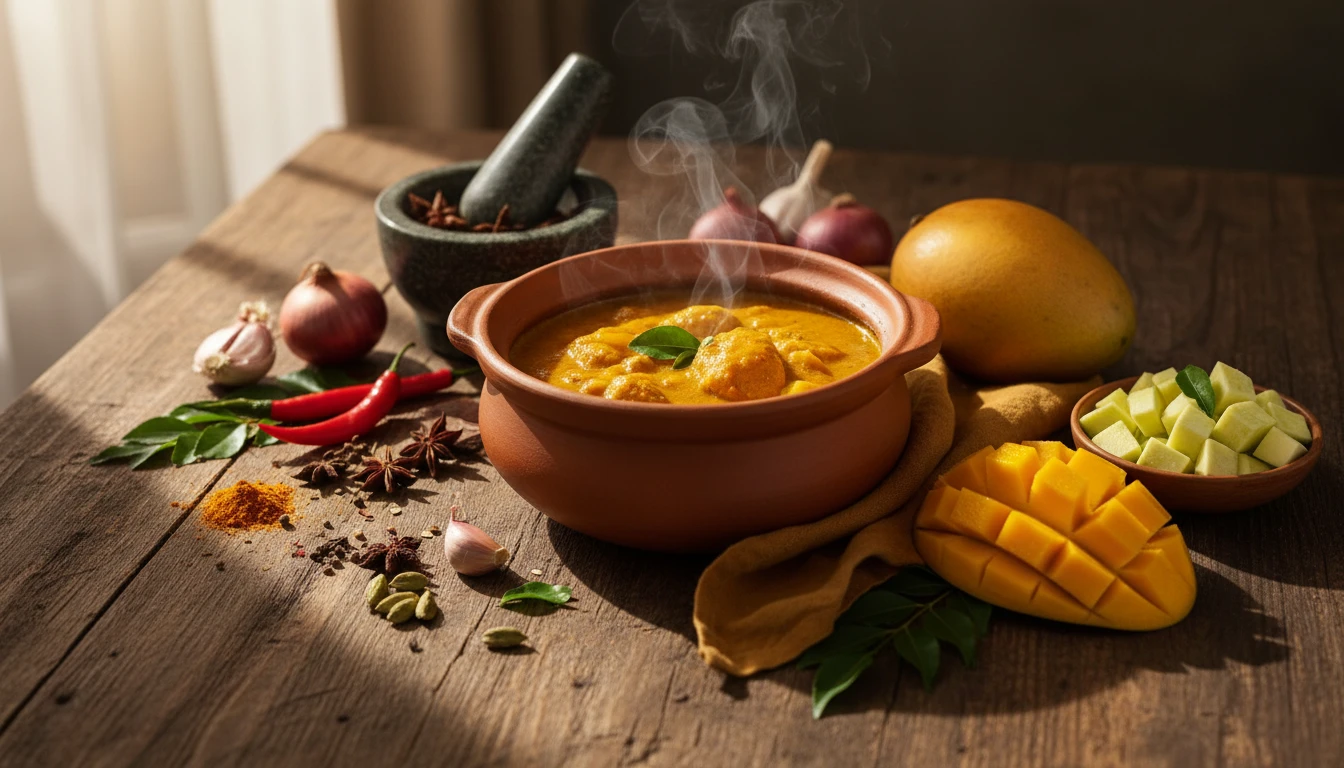
diversity of India's culinary landscape, understanding that the food from Kerala is vastly different from that of Nagaland. This growing appreciation has paved the way for once-obscure regional seasonings to step into the spotlight, moving from home kitchens to high-end restaurants and fusion menus. The focus is no longer just on heat, but on the nuanced, aromatic, and often surprising flavours these ingredients provide.
The Secret Star: Kalpasi
One of the most intriguing ingredients making this leap is kalpasi, or black stone flower. A type of lichen that grows on rocks and trees, kalpasi has little to no aroma in its raw state. But when fried in oil or ghee, it releases a subtle, earthy, and smoky flavour that adds incredible depth to a dish. Traditionally a cornerstone of Chettinad cuisine from Tamil Nadu and Goda Masala from Maharashtra, chefs are now finding its umami-rich profile to be a game-changer. It can add a mysterious, savoury note to everything from slow-cooked meat dishes to complex vegetarian curries, providing a layer of flavour that is hard to replicate and leaving diners wondering what that delicious, unidentifiable taste is.
Beyond the Heat: Chillies with Character
The world of Indian chillies extends far beyond a simple measure of heat. Regional varieties are prized for their distinct flavour profiles. For instance, the Guntur Sannam chilli from Andhra Pradesh is known for its pungent heat but also its bright, sharp flavour. This makes it a dynamic ingredient not just for curries, but for inventive cocktails. Mixologists are using chilli-infused spirits to add a surprising kick to drinks like margaritas and gin coolers. A recent creation from a Bengaluru mixologist, the 'Namma Picante,' uses a homemade spice mix with local peppers to give a regional twist to the classic tequila cocktail. This trend of using spice in beverages highlights a more sophisticated understanding of how to balance heat, flavour, and aroma.
The Drive for Authenticity and Innovation
So, what’s driving this trend? It’s a combination of factors. A new generation of Indian chefs is confidently showcasing their heritage, moving beyond fusion that felt forced—like chicken tikka pizza—to a more thoughtful and contemporary reimagining of Indian flavours. They are diving deep into the culinary traditions of their specific regions and finding new ways to present them. At the same time, diners have become more adventurous, eager to explore authentic and lesser-known tastes. This synergy has created the perfect environment for regional spices to shine, proving that Indian cuisine offers an endless canvas for innovation.