

What Exactly Is Braising?
Braising is a classic combination cooking method that uses both dry and wet heat. It typically starts by searing the food in fat over high heat to develop color and flavour—a process known as the Maillard reaction. After this initial browning, a small
amount of liquid is added to the pot, the heat is turned down low, and the pan is covered tightly. The food then cooks slowly at a gentle simmer, either on the stovetop or in the oven, until it becomes meltingly tender. The key is the slow, moist cooking environment created inside the covered pan.
The Magic of the Covered Pan
The lid is the hero of the braising process. By covering the pan, you trap steam and moisture, creating a gentle, consistent heat that surrounds the vegetables. This prevents them from drying out and allows them to soften slowly while absorbing the flavours of the cooking liquid. Unlike roasting, which relies on dry heat for a crispy exterior, or stewing, which fully submerges ingredients in liquid, braising strikes a perfect balance. The bottom of the vegetables simmer in the liquid, while the tops are gently steamed, resulting in a uniquely tender texture and concentrated taste.
The Best Vegetables for Braising
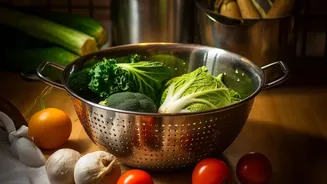
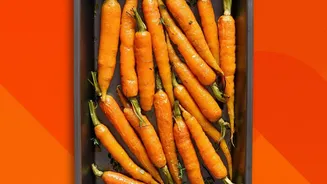
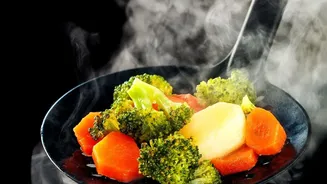
While you can braise many types of produce, the method works best on sturdy, hearty vegetables that can stand up to a longer cooking time. Softer, high-water-content vegetables like tomatoes or summer squash tend to break down into a sauce. Instead, reach for firm options. Good candidates for braising include root vegetables like carrots, potatoes, turnips, and parsnips. Members of the cabbage family, such as Brussels sprouts, cabbage wedges, and cauliflower, are also excellent choices. Sturdy greens like kale and collards, and aromatic alliums like leeks, fennel, and onions, all become incredibly succulent and sweet when braised.
A Simple Guide to Braising Vegetables
Getting started is easier than you think. First, prepare your vegetables by cutting them into uniform, fairly large pieces. Next, heat some fat (like olive oil or butter) in a heavy-bottomed pot or Dutch oven with a tight-fitting lid. If you want extra flavour, sear the vegetables in a single layer until they are nicely browned on one or both sides, then set them aside. You can also sauté some aromatics like garlic and onion first. Return the main vegetables to the pan and add your cooking liquid—such as broth, wine, cider, or even just water—until it comes about a third of the way up the sides of the vegetables. Bring the liquid to a simmer, then reduce the heat to low, cover the pan, and let it cook gently until the vegetables are fork-tender. Cooking times can range from 20 minutes for potatoes to over an hour for cabbage, depending on the vegetable and the size of the pieces.
Tips for Unforgettable Results
To elevate your braised vegetables, keep a few things in mind. Don't overcrowd the pan, as this can cause the vegetables to steam rather than sear properly at the start. The braising liquid is a key flavour component, so choose something that complements your vegetables, whether it’s a rich vegetable stock, a dry white wine, or apple cider. If you find the pan is getting dry during cooking, simply add another splash of liquid. Conversely, if you have too much liquid left when the vegetables are tender, you can remove the lid and boil it down to create a flavourful glaze to coat the veggies. A final squeeze of lemon juice or a sprinkle of fresh herbs at the end can brighten up the rich, slow-cooked flavours beautifully.