






The Push Factor: Monsoon Mayhem
For many young Indians, the annual monsoon brings a difficult choice: brave the rains for a mountain getaway or stay home. In recent years, this decision has been complicated by an increasing number of weather-related incidents. News reports from July
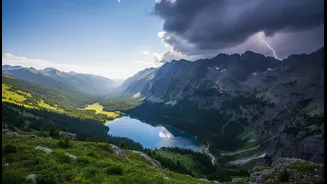
2026 paint a grim picture, with heavy rainfall triggering multiple landslides in popular tourist corridors of Himachal Pradesh and Uttarakhand. Routes to places like Shimla, Manali, and the Char Dham Yatra have faced blockages, leaving travellers stranded and highlighting the fragility of infrastructure in these regions. This growing unpredictability and risk have created a powerful 'push' factor, prompting safety-conscious travellers to reconsider their plans and look for alternatives that promise adventure without the anxiety.
Spiti's Geographic Advantage
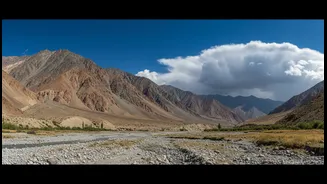
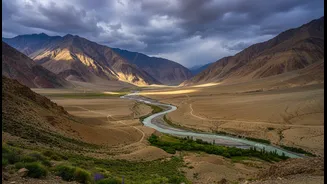
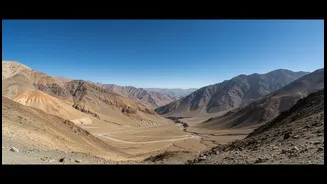
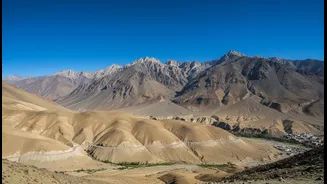
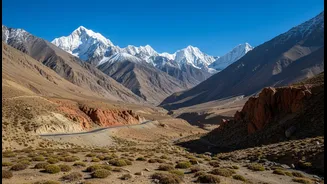
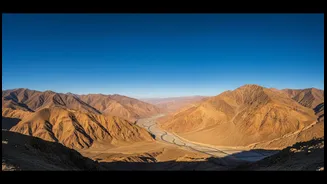
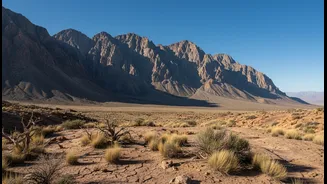
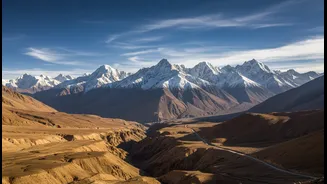
This is where Spiti Valley enters the frame. Located in the north-eastern part of Himachal Pradesh, Spiti is a high-altitude cold desert. Crucially, it lies in a rain-shadow zone, meaning the towering Himalayan ranges to its south block most of the monsoon clouds. While the rest of India experiences heavy rainfall from June to September, Spiti remains largely dry, with clear skies and pleasant summer weather. This unique geography makes it inherently less prone to the kind of rain-induced landslides that plague other hill stations during the monsoon. The approach roads, particularly from Manali, can still be challenging, but once inside the valley, the weather is far more stable, offering a safer haven for travellers.
A New Generation of Travellers
The pull of Spiti goes beyond just safety. The destination resonates deeply with the evolving preferences of young Indian tourists. Post-pandemic travel trends for 2026 show a clear shift away from rushed, checklist-based tourism towards slower, more meaningful experiences. Today's travellers, especially Gen Z and millennials, are seeking offbeat destinations, cultural immersion, and adventure. Spiti, with its stark landscapes, ancient monasteries like Key and Tabo, vibrant Tibetan Buddhist culture, and opportunities for trekking and digital detox, fits this brief perfectly. It offers the raw, unfiltered experience that many now crave over the commercialised comforts of more mainstream locations.
The Call of the Open Road
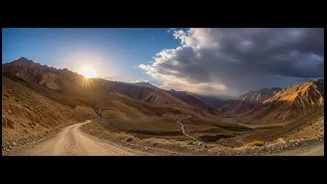
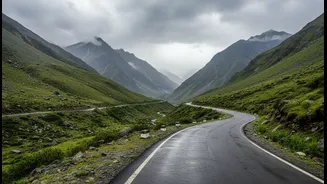
Spiti has become almost synonymous with the ultimate road trip, an appeal that has been amplified by social media. The journey to Spiti, whether from Manali via Kunzum Pass or the longer route from Shimla, is an adventure in itself. For a generation that values experiences over possessions, the bragging rights and stunning visuals from a Spiti road trip are a powerful draw. This aligns with the rise of 'workations' and longer, more immersive trips, where the journey is as important as the destination. The flexibility of remote work has enabled many young professionals to undertake such long-duration travel, swapping city apartments for homestays in remote villages like Komic and Langza.
A Paradise Under Pressure
However, this newfound popularity is a double-edged sword. The surge in tourism, while economically beneficial, is placing immense pressure on Spiti's fragile ecosystem and limited resources. Reports from recent years highlight growing concerns about garbage accumulation, water scarcity, and traffic congestion, especially around popular spots like Chandratal Lake. The very isolation and raw beauty that attract travellers are now under threat. Local communities and environmentalists have raised alarms, calling for more sustainable tourism practices to ensure that Spiti does not go the way of other over-commercialised destinations. The valley's future depends on finding a delicate balance between welcoming visitors and preserving its unique character.