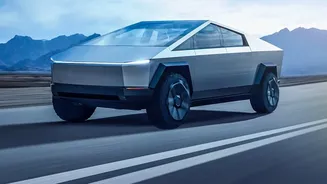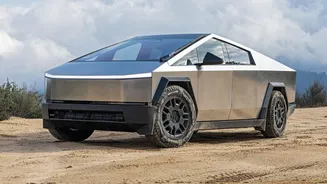


Tesla's audacious Cybertruck captured global attention, but a strategic shift may be underway. As production of the angular pickup reportedly stabilizes, focus intensifies on a new priority: the Cybercab, a vehicle key to its robotaxi future.
The Cybertruck's Production Journey
Since its
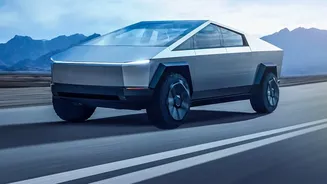
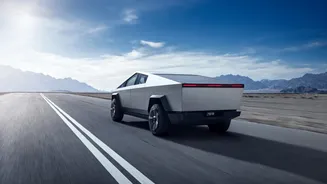
launch, the Tesla Cybertruck has been one of the most visible, and challenging, vehicles on the road and on the production line. Its stainless-steel exoskeleton and unconventional design created significant manufacturing hurdles. Early production was focused on clearing a massive backlog of pre-orders. Now, reports suggest that production is not so much 'winding down' as it is maturing. Tesla has reportedly overcome the initial steep production ramp and is now operating at a more stable, predictable output. This phase is crucial for any new vehicle model. After satisfying the initial wave of demand from early reservation holders, an automaker must transition to a sustainable production rate that matches ongoing market demand. This stabilization allows Tesla to reallocate some of its most skilled engineering and production resources to the next major project in its pipeline.
What Exactly Is the Cybercab?
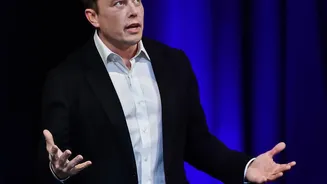
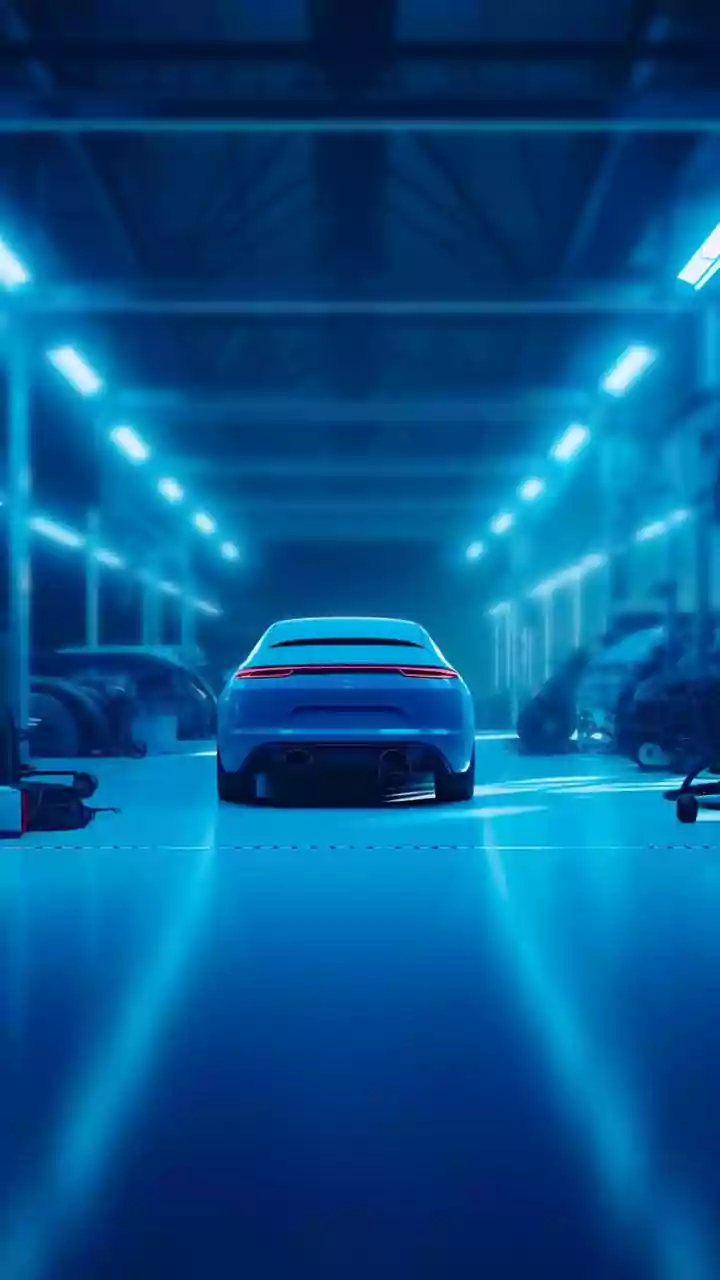
The Cybercab is Tesla's vision for the future of transportation, distilled into a single, purpose-built vehicle. Unlike the Cybertruck, which is a consumer vehicle, the Cybercab is designed from the ground up for autonomous ride-hailing. Leaked designs and company presentations describe a futuristic, two-seater vehicle with no steering wheel or pedals, maximizing interior space for passengers. The entire concept is built around Tesla's Full Self-Driving (FSD) technology. The goal is to create a fleet of 'robotaxis' that can be summoned on demand, operate at a fraction of the cost of traditional ride-sharing services, and generate recurring revenue for Tesla. Elon Musk has repeatedly called the robotaxi network a cornerstone of Tesla's future valuation, framing it as a more significant opportunity than selling cars.
A Strategic Pivot to Autonomy
The reallocation of resources from the Cybertruck to the Cybercab signals a critical strategic pivot. While the Cybertruck was a statement piece that showcased Tesla's engineering prowess, the Cybercab represents the company's core business thesis for the next decade. Building and selling cars has inherent limitations in terms of scale and margins. A successful autonomous network, however, offers the potential for software-like recurring revenue. Every Cybercab on the road would essentially be a cash-generating asset working around the clock. By prioritizing the Cybercab now, Tesla is betting that the hardware and software for true autonomy are finally within reach. The manufacturing expertise gained from the difficult Cybertruck production is seen as invaluable in preparing for the efficient, high-volume production required for the Cybercab.
Why The Production Team is Onboard
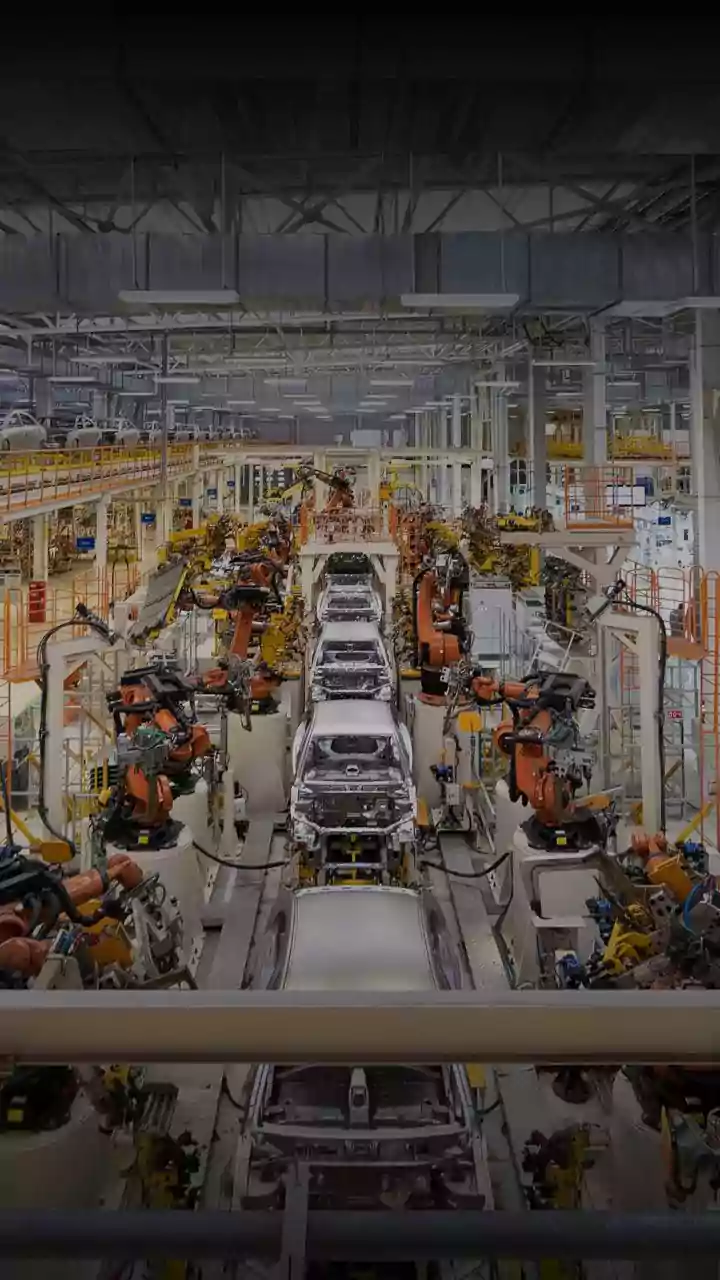
The headline's claim that the production team 'wants' this shift is telling. After grappling with the complexities of the Cybertruck's unconventional materials and design, Tesla's manufacturing engineers are likely eager to apply those hardwon lessons to a new vehicle designed for massproducibility. The Cybercab, while technologically advanced, is expected to be engineered for simplicity and speed of assembly. A simpler design means faster production lines, lower costs, and higher margins—a welcome challenge for a team that just solved one of the hardest manufacturing puzzles in the modern auto industry. This move allows the team to shift from troubleshooting a complex existing line to architecting a revolutionary new one from the ground up.
What This Means for Tesla's Future
This strategic shift is not without risk. It hinges entirely on Tesla's ability to deliver on its longstanding promise of Level 5 autonomy—a goal that has remained elusive for the entire industry. Regulatory hurdles for deploying a driverless fleet remain significant across the globe. However, if Tesla succeeds, the payoff could be immense. It would transition Tesla from being primarily an automaker to a diversified tech company with dominant positions in energy, AI, and transportation services. The move to prioritize the Cybercab is a clear signal that Tesla is willing to bet its future not just on building popular electric cars, but on fundamentally changing how people move.