







Ladakh: The High-Altitude Haven
Known as a rain shadow region, Ladakh is largely shielded from the heavy monsoon showers that drench much of the country. By September, the weather is exceptionally pleasant. The skies are typically clear and a brilliant blue, providing stunning backdrops
for its dramatic mountain scenery and tranquil monasteries. Daytime temperatures are comfortable, ranging from 15°C to 21°C, making it ideal for sightseeing and outdoor activities like trekking or visiting the iconic Pangong Lake. While the summer crowds have thinned, the roads from both Srinagar and Manali are usually still open. Nights do get cold, so packing layers is essential, but the combination of fewer tourists and golden autumn hues makes it a magical time to visit.
Spiti Valley: The Cold Desert's Prime Time
Much like Ladakh, Spiti Valley in Himachal Pradesh is a high-altitude cold desert that receives minimal rainfall during the monsoon. September is considered by many seasoned travellers to be the perfect month to experience its raw beauty. The weather is generally clear and dry, with comfortable daytime temperatures hovering around 17°C to 20°C. This allows for comfortable exploration of its ancient monasteries, such as Key and Tabo. The roads are in better condition post-monsoon, and the valley is less crowded than in the peak summer months. The air is crisp, and the landscape, a stark canvas of browns and greys, is punctuated by the vibrant greens of the harvest season, offering breathtaking vistas at every turn.
Rajasthan: The Desert State in Bloom
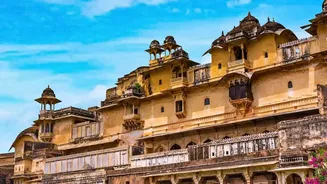
By September, the southwest monsoon begins its withdrawal from northwest India, starting with Rajasthan. The heavy rains have subsided, but their impact remains, transforming the arid landscape into a surprisingly lush and green spectacle, especially around Udaipur and Mount Abu. The weather becomes far more manageable, with lower humidity and pleasant temperatures that average between 24°C and 35°C. This is an excellent shoulder season for exploring the magnificent forts and palaces of cities like Jaipur and Udaipur without the scorching heat of summer or the peak tourist crowds of winter. Hotel prices are often lower, making it a budget-friendly window to experience the state's royal heritage.
Tamil Nadu: The Pre-Monsoon Calm
While many parts of India are drying out, Tamil Nadu is in a unique transitional phase. The state receives the bulk of its rainfall during the Northeast monsoon, which typically arrives in October. This means September is a relatively dry and less humid interlude. While some rainfall can still be expected, it's generally not persistent enough to disrupt travel plans. Destinations like Pondicherry and the temple city of Madurai are hot but manageable. It's a good time to explore the French Quarter in Pondicherry or the state's magnificent temple architecture before the main tourist and monsoon season kicks in, offering a more peaceful experience.
Maharashtra's Kaas Plateau: A Carpet of Flowers
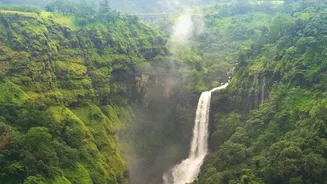
For a truly unique late-monsoon experience, the Kaas Plateau in Maharashtra is an exceptional choice. After being nourished by the monsoon rains, this UNESCO World Natural Heritage site bursts into a vibrant carpet of wildflowers. From late August to early October, over 850 different species of flowers bloom, creating a breathtaking spectacle of colours. September is the peak blooming season. The weather is pleasant with intermittent showers that keep the landscape fresh and dewy. It’s a photographer’s and nature lover’s paradise, offering a fleeting but unforgettable display of nature's artistry as the monsoon season gracefully concludes.