


The Aquatic Advantage: Swimming
Heading to the pool is one of the best things you can do for your joints and your heart. Water's natural buoyancy supports your body weight, which dramatically reduces stress on your knees, hips, and ankles. This makes swimming and water aerobics ideal
for individuals with arthritis, joint pain, or those recovering from injury. But don't mistake 'low-impact' for 'low-effort'. Swimming is a full-body workout that engages your arms, legs, and core, providing robust cardiovascular conditioning. Regular swimming strengthens the heart muscle, improves circulation, and can help lower blood pressure and cholesterol. It enhances lung capacity and endurance, all while the water provides gentle resistance.
The Power of Pedalling: Cycling
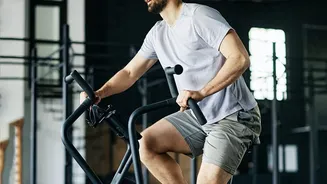
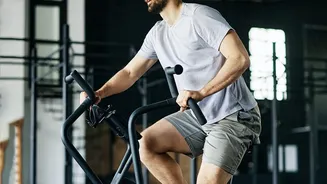
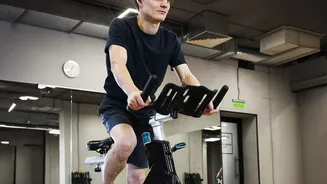
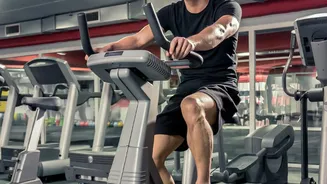
Whether you're on a stationary bike at the gym or cycling outdoors, pedalling is a fantastic way to build cardiovascular fitness without the jarring impact of running. Cycling is particularly beneficial for strengthening the muscles that support the knee, like the quadriceps and hamstrings, improving flexibility and stability over time. Because it's a non-weight-bearing activity, your joints are shielded from stress. You can easily control the intensity by adjusting the resistance on a stationary bike or by tackling hills outdoors, ensuring your heart rate gets into the effective training zone. This makes it an excellent, sustainable option for long-term heart health.
The Rhythmic Pull: Rowing
Often overlooked, the rowing machine is a powerhouse for joint-friendly, full-body cardio. In a seated position, you eliminate the weight-bearing impact on your knees and ankles, making it an excellent choice for those with joint sensitivities or injuries. The smooth, controlled motion of rowing engages over 85% of your body's muscles, including your legs, core, back, and arms. This widespread muscle engagement means it's incredibly efficient at elevating your heart rate and burning calories, delivering both cardiovascular and strength-training benefits in a single workout. Furthermore, rowing helps build strength in the muscles that support the knee joints, such as the hamstrings and quadriceps, enhancing stability.
Glide Into Fitness: The Elliptical
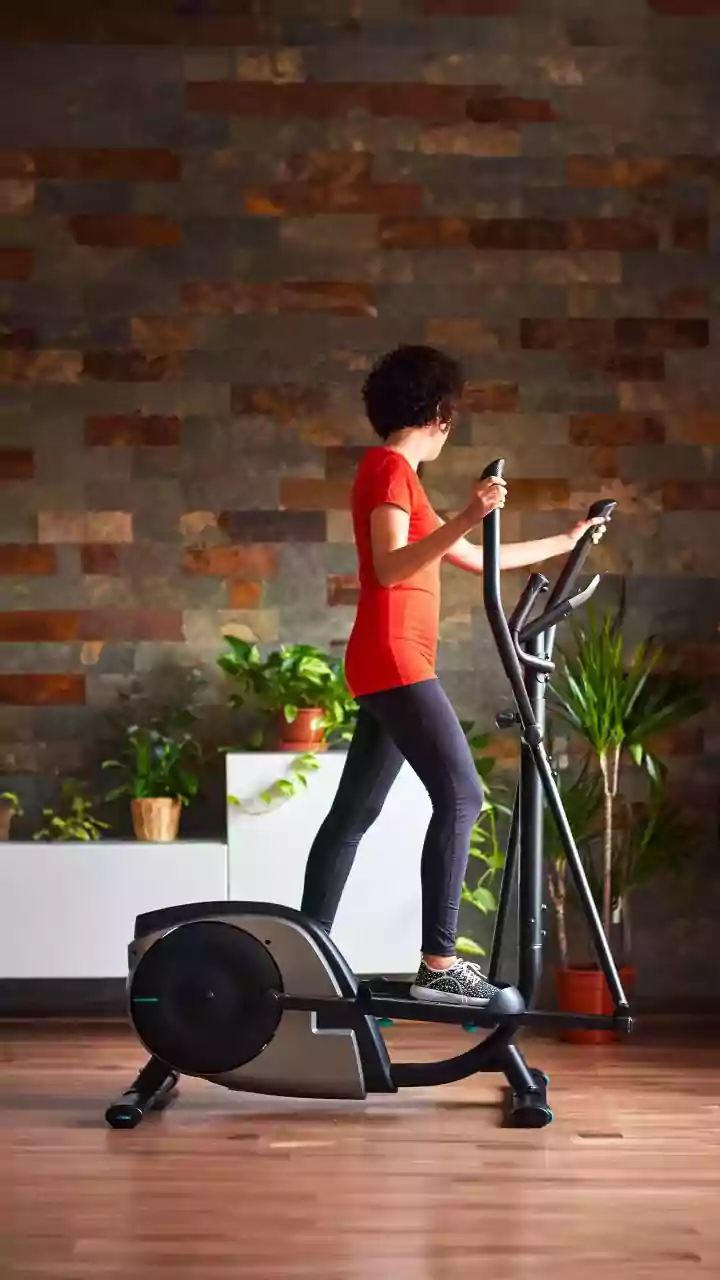
The elliptical trainer was designed specifically to mimic the motion of running without the associated impact. Your feet remain in constant contact with the pedals, creating a smooth, gliding movement that is gentle on your joints. Despite being low-impact, the elliptical provides a cardiovascular workout comparable to running when performed at a similar intensity. It engages the quadriceps, hamstrings, glutes, and calves. Many machines also have moving handlebars, allowing you to work your upper body for a more comprehensive workout. It's a fantastic and safe way to boost heart health and endurance, especially for those who find running painful.
Elevate Your Walk: Power Walking
Never underestimate the power of walking. By simply increasing your pace to a brisk or 'power walk' speed—typically between 4 to 5.5 miles per hour—you can turn a simple stroll into a serious cardiovascular workout. Power walking is a low-impact activity that is accessible, free, and effective. It strengthens your heart, improves circulation, and helps manage blood pressure. Research shows that walking at a faster pace can significantly reduce the risk of heart disease. To boost the intensity without jumping, you can incorporate hills into your outdoor route or increase the incline on a treadmill. Engaging your arms by swinging them at a 90-degree angle also helps elevate your heart rate and engages your core and upper body.