




The Grand Reopening
After a three-month hiatus for the monsoon, the core zones of Madhya Pradesh's premier national parks—including world-renowned tiger reserves like Bandhavgarh, Kanha, and Pench—officially reopen to visitors in October. This annual event is eagerly anticipated
by safari enthusiasts. Being among the first to enter the parks after the break offers a palpable sense of excitement and discovery. The tracks are fresh, the wilderness feels untouched, and you are exploring a landscape that has been allowed to rest and rejuvenate, making for an exclusive and thrilling experience as guides and naturalists track animal movements for the first time in months.
A Photographer’s Dream Landscape
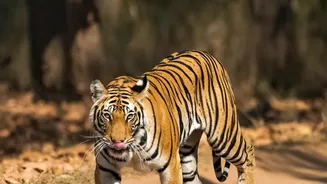
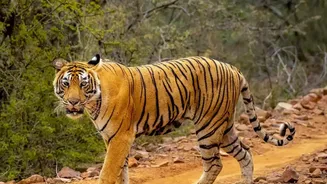
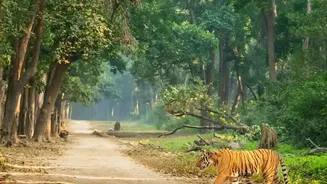
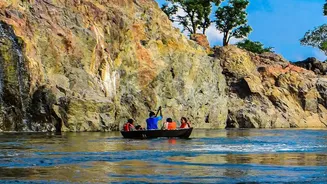
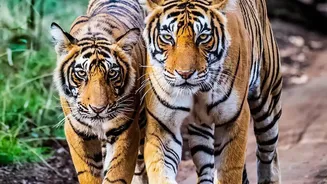
Forget the dry, dusty trails of summer. Autumn in Madhya Pradesh is a spectacle of emerald greens and vibrant life. The monsoon rains leave the forests incredibly lush and the grasslands thick and verdant. Water bodies like rivers and nullahs are full, creating stunning reflections and dramatic backdrops. This combination of rich greenery, clear post-monsoon skies, and soft 'golden hour' light in the mornings and afternoons provides the perfect canvas for breathtaking wildlife photography. The contrast of a tiger’s stripes against a brilliantly green forest is a shot many photographers wait all year to capture.
Pleasant Weather and Comfortable Safaris
Autumn strikes the perfect balance between the scorching heat of summer and the chill of deep winter. From October through November, daytime temperatures are pleasantly warm, typically ranging from the high 20s to low 30s Celsius, with cool, comfortable mornings and evenings. This agreeable weather means you can enjoy your jungle safaris without facing extreme conditions. The humidity of the monsoon rapidly decreases, leaving crisp, clear air. You can focus on the wildlife sightings and the beauty of the jungle without the discomfort of intense heat or shivering cold, making it an ideal time for families and all types of travellers.
Active Wildlife and Abundant Sightings
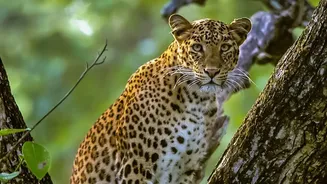
While summer is often touted for tiger sightings as animals gather at scarce waterholes, the post-monsoon period offers its own unique advantages. With water sources plentiful across the parks, animals are more dispersed but also more active throughout the day in the pleasant weather. Herbivores like the statuesque barasingha (swamp deer) in Kanha, chital (spotted deer), and gaur (Indian bison) are seen grazing in lush meadows. This abundance of prey keeps predators like tigers and leopards on the move. Sightings are frequent, and the thrill of tracking a big cat through the dense, revitalised jungle is an unparalleled experience.
Fewer Crowds and a More Serene Experience
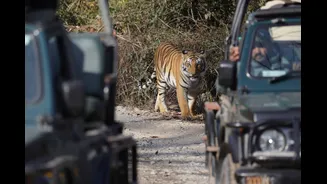
The peak tourist season in Madhya Pradesh generally runs from November to March. By booking in October, you are getting ahead of the curve. The parks are typically less crowded than during the winter holidays or the peak summer season. This translates to a more peaceful and intimate safari experience. You are less likely to be jostling with numerous other jeeps at a sighting, allowing for quieter observation and a deeper connection with nature. It’s an opportunity to enjoy the tranquillity of the jungle and the sounds of the wild without significant human disturbance.
A Haven for Birdwatchers
For birding enthusiasts, autumn is a fantastic time to visit. The resident bird population is active and vibrant after the rains. Furthermore, October and November mark the beginning of the migratory season, when various species start arriving to make the parks their winter home. The lush forests and full water bodies attract a stunning variety of birds, from majestic eagles and colourful kingfishers to flocks of migratory waterfowl. The combination of resident and incoming species makes for a rich and rewarding birdwatching experience on every safari.