







The 'Electrolyte' Glow-Up
The humble salted drink is undergoing a sophisticated transformation. Cafes and health-conscious brands are strategically moving away from the simple term 'salty' and embracing a new vocabulary borrowed from the world of wellness. Words like 'electrolyte-rich',
'natural hydration', and 'revitalising' now adorn menus and packaging. A simple glass of shikanji is no longer just a thirst-quencher; it's a 'functional beverage'. This shift cleverly taps into the global wellness trend, where consumers increasingly seek natural, effective solutions over processed, sugary alternatives. The language is changing, but the core product—a deliciously balanced salty, sweet, and sour drink—remains the same. It’s a marketing masterstroke, positioning a traditional staple as a premium, health-forward choice for the modern Indian.
Science Behind the Salt
But is there any truth to the new-age hype? Absolutely. For decades, many have been cautious about salt intake. However, in a hot and humid climate like India's, where we lose significant amounts of sodium and other minerals through sweat, a little salt is not just good—it's essential. Sodium is a primary electrolyte, a mineral that helps the body maintain fluid balance, support nerve function, and aid muscle contractions. After intense sweating, drinking large amounts of plain water can dilute the body's remaining electrolytes, leading to a condition called hyponatremia. Adding a pinch of salt, as our ancestors wisely did, helps the body absorb and retain water more effectively. This makes a salted beverage a far superior hydrator than plain water during periods of intense heat. This 'rebrand' is simply modern science catching up with ancient wisdom.
Wisdom From the Indian Kitchen
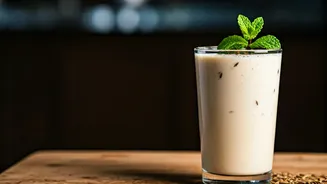
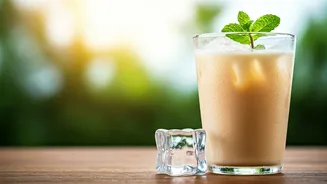
This trend isn't a new invention; it's a rediscovery of deeply rooted traditions. Indian culinary history is packed with recipes for salted summer coolers, each tailored to regional tastes and ingredients. There's the classic North Indian shikanji, a perfect blend of lemon juice, water, sugar, and a crucial pinch of black salt (kala namak). Head west to Gujarat and Rajasthan, and you'll find refreshing buttermilk, or chaas, often spiced with roasted cumin and salt. On the Konkan coast, the deep pink solkadhi, made from coconut milk and kokum, offers a tangy, salty antidote to the heat. In the South, a savoury, spiced buttermilk called neer mor is a household staple. These drinks were designed for survival and comfort in the sweltering heat, providing hydration, aiding digestion, and replenishing lost salts long before 'electrolytes' became a buzzword.
From Street Carts to Cafe Menus
The evidence of this rebranding is everywhere you look. Peruse the menus of trendy urban cafes, and you’ll see 'Himalayan Pink Salt Lemonade' or 'Spiced Buttermilk Coolers' listed under their wellness or detox sections. Boutique beverage brands are launching artisanal versions of these traditional drinks in beautifully designed bottles, highlighting their all-natural ingredients and hydrating properties. This commercial embrace validates the drink's benefits and introduces it to a new generation that might have otherwise overlooked it in favour of more globally popular beverages. Even the street vendors, long the keepers of this tradition, are unknowingly part of the trend as more people turn away from bottled colas and towards these fresh, handmade options for authentic refreshment.