



An Ambitious Year Ahead
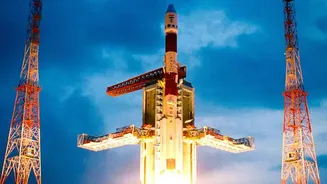
ISRO Chairman V Narayanan confirmed that the agency is targeting at least seven launches during the current financial year, which runs until March 2027. This ambitious timeline underscores a strategy to accelerate India's space activities, encompassing
human spaceflight, earth observation, and commercial ventures. The next mission is anticipated within the next two months, kicking off a sequence of critical launches that will shape India's future in space.
Gaganyaan G1: The First Uncrewed Test
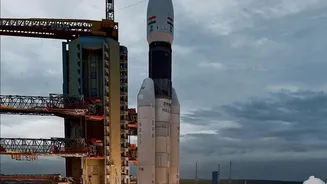
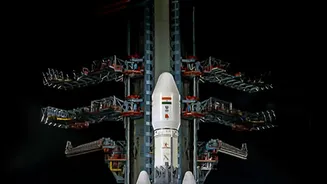
A major highlight of the year will be the first uncrewed orbital test flight for the Gaganyaan program, India's quest to send astronauts to space. The G1 mission is a full dress rehearsal, designed to validate the performance of the human-rated LVM3 rocket, the crew module's life support systems, and re-entry and recovery operations. A successful G1 flight is the most critical step toward the first crewed Indian spaceflight.
Gaganyaan G2: A Robot Co-Passenger
Following the G1 mission, ISRO plans to launch Gaganyaan G2. This second uncrewed flight will have a special passenger on board: a humanoid robot named Vyommitra. Vyommitra, which translates to "space friend," will simulate human functions and monitor various parameters inside the crew module, such as life support systems and vibration levels. This will provide invaluable data to ensure the capsule is perfectly safe for astronauts.
EOS-05 (GISAT-1A): The Eye in the Sky
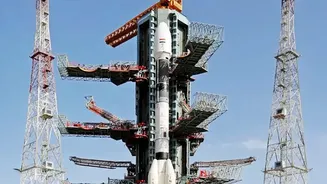
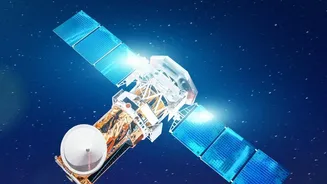
Expected to launch on a GSLV Mk II rocket, the EOS-05 satellite, also known as GISAT-1A, is a powerful earth observation satellite. What makes it special is its placement in a geostationary orbit, allowing it to provide near real-time imaging of the Indian subcontinent. This capability is a game-changer for disaster management, offering rapid updates during cyclones and floods, as well as for monitoring agriculture, forests, and national borders.
GSAT-32: Boosting National Connectivity
Communication infrastructure is another key focus. The upcoming launch of GSAT-32 is set to enhance India's telecommunications network. This powerful satellite will help deliver better broadband speeds, improve DTH services, and support the expansion of digital services to remote and hard-to-reach areas across the country, strengthening India's digital backbone.
Commercial Missions: India's Space for Business
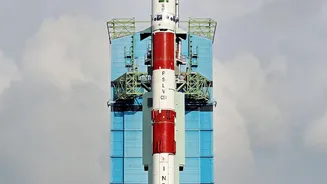
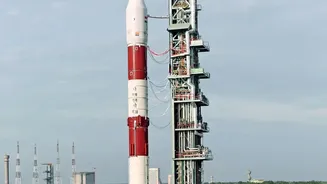
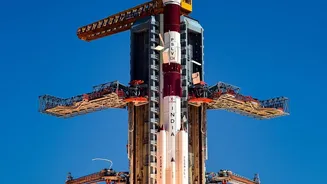
Beyond its national projects, ISRO continues to be a competitive player in the global commercial launch market. The planned launches for this fiscal year include several satellite deployments for both domestic and international customers using its reliable Polar Satellite Launch Vehicle (PSLV). These missions not only generate revenue but also reinforce India's reputation as a cost-effective and reliable launch provider.
New Infrastructure: A Second Launch Pad
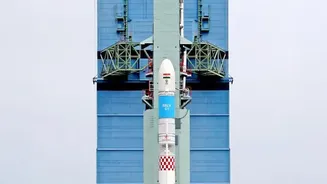
To support this increased launch frequency, ISRO is also commissioning its second launch complex at Kulasekarapattinam in Tamil Nadu within this fiscal year. This new spaceport is specifically designed for launching smaller satellites, making operations more efficient. Its opening will be a significant boost to India's capacity to handle a higher cadence of both private and government launches, fueling the growth of the domestic space industry.