
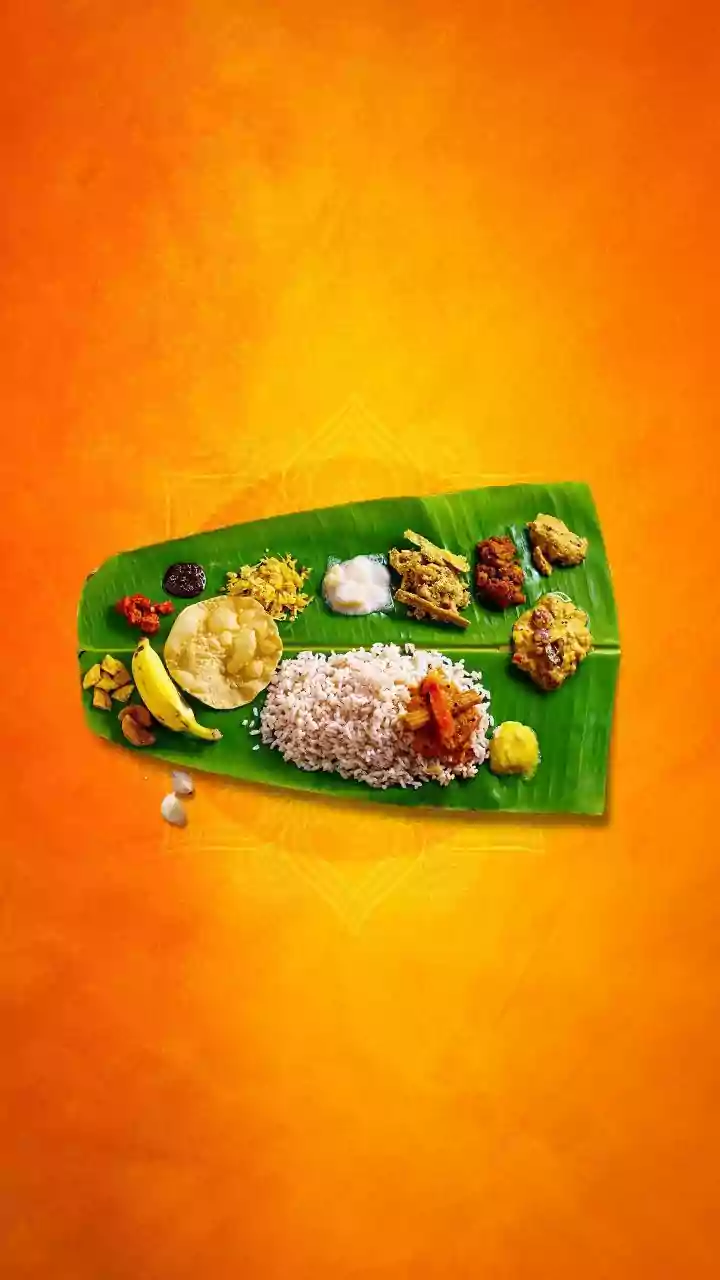



More Than a Trend, a Tradition
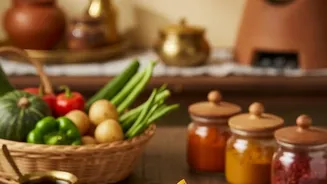
Across the globe, 'seasonal eating' has become a popular concept, encouraging people to consume produce that is harvested locally and in its natural season. The benefits are clear: fresher taste, higher nutrient density, and a lower carbon footprint.
But in India, this 'new' concept is anything but. For generations, what landed on the dinner plate was dictated by the weather and the local harvest. This wisdom was deeply embedded in cultural practices, from festival foods to the principles of Ayurveda, which outlines specific dietary guidelines for each season ('Ritucharya') to maintain balance and health. Summer meals were naturally cooling, monsoon foods were light and easy to digest, and winter brought richer, warming dishes.
A Return to Regional Roots
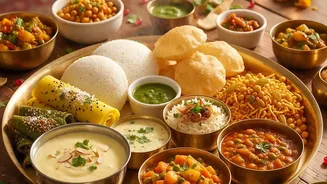
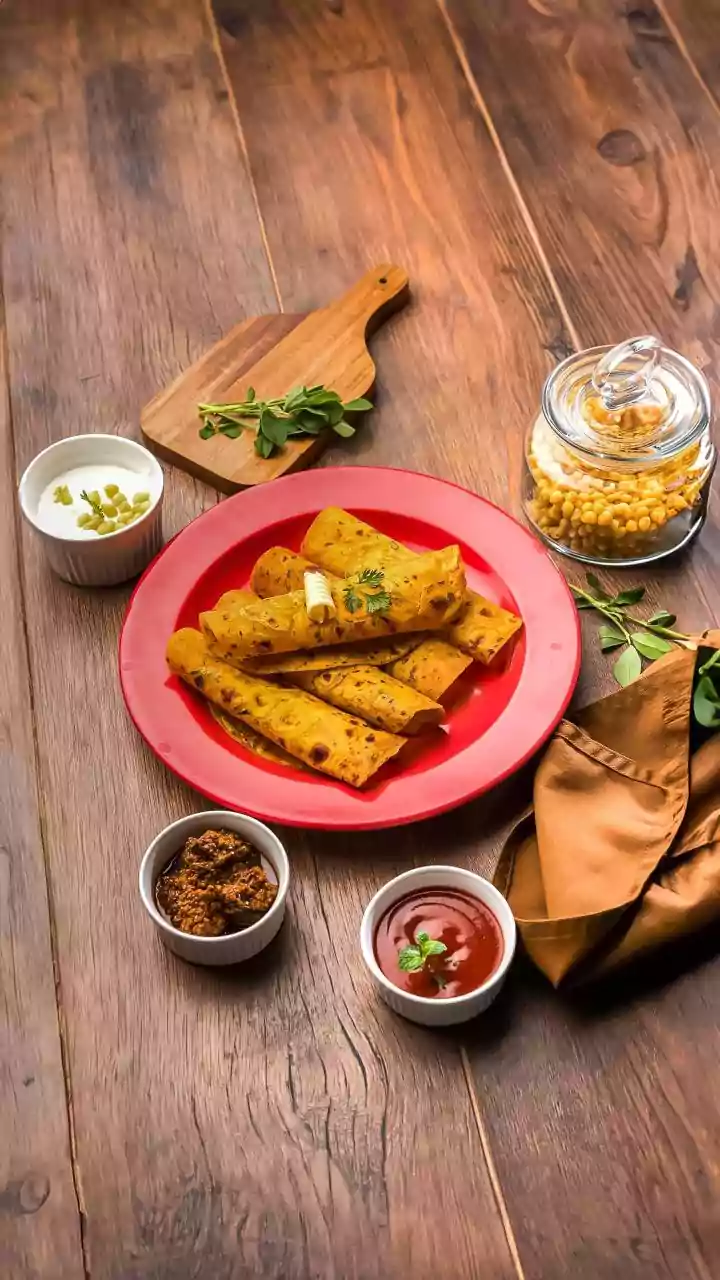
For a time, the convenience of modern supply chains made it possible to get almost any vegetable year-round, disconnecting many urban households from this seasonal rhythm. However, there is a growing movement to look past the generic 'Indian curry' and celebrate the vast diversity of the country's regional cuisines. Home cooks, often spurred by a mix of nostalgia and a desire for authenticity, are digging into their family's culinary heritage. This revival is not just about recreating dishes; it's about reclaiming a piece of identity. The comfort found in a bowl of Punjabi Rajma, Gujarati Kadhi, or a South Indian Rasam is as much about the familiar taste as it is about the connection to one's origins.
Comfort Food for Every Season
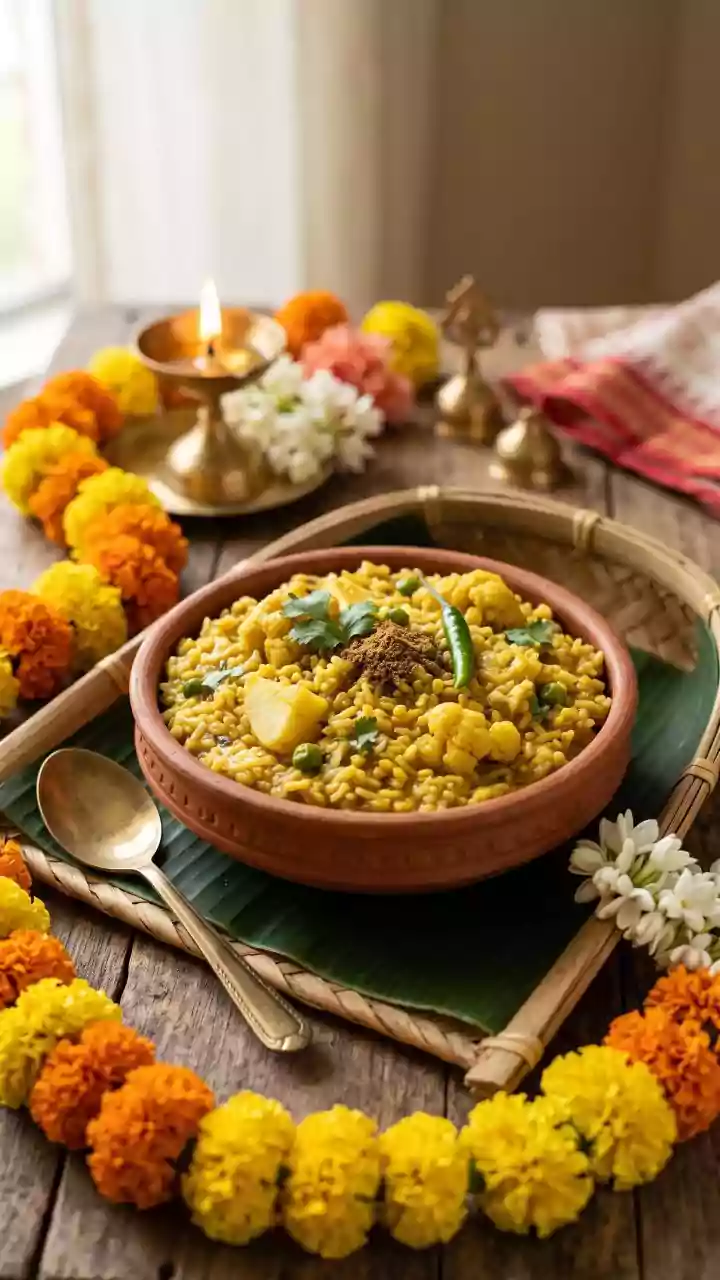
The beauty of this trend is how perfectly regional comfort foods align with the seasons. As winter approaches, there is a natural craving for heartier meals. This is when kitchens across North India fill with the aroma of Sarson da Saag, and households turn to warming dishes like Bajra Khichdi and Gajar Halwa, made with ingredients that are at their peak during the colder months. Come monsoon, the desire shifts to something warm, tangy, and often fried to be enjoyed with a hot cup of chai. Think plates of assorted pakoras, spicy corn chaat, or a soothing bowl of khichdi, which is revered for being easy on the digestive system during the humid months. Summer brings lighter fare, with an emphasis on cooling ingredients like curd in dishes like Pazhaya Sadam (fermented rice) in the south, and hydrating vegetables like lauki and tori.
From Grandma's Kitchen to Your Feed
This rediscovery of ancestral recipes is being amplified and shared in a very modern way. What was once orally passed down is now being documented on food blogs, shared on social media, and discussed in online culinary groups. Chefs and food historians are actively working to revive and popularise forgotten recipes, making them accessible to a new generation of home cooks. This digital exchange allows someone in Mumbai to try a traditional Kashmiri recipe or a cook in Delhi to master a monsoon dish from Kerala. It has created a vibrant, collective effort to ensure that the rich, nuanced flavours of India's diverse regions are not just preserved, but celebrated and enjoyed in everyday home cooking.