






The Long Reign of Whey
Walk into any gym or supplement store, and you'll find tubs of whey protein lining the shelves. Derived from milk during the cheese-making process, whey has long been the gold standard for athletes and fitness enthusiasts. Its popularity is built on a solid
foundation: it's a “complete” protein, meaning it contains all nine essential amino acids your body needs for muscle repair and growth. It’s particularly high in leucine, a key amino acid that triggers muscle protein synthesis. Combined with its rapid absorption rate, whey became the go-to choice for post-workout recovery. Its market dominance is clear, with whey protein sales constituting the majority of the protein powder market. For many, it has been a simple and effective solution to meet their protein goals.
The Rise of the Plant-Based Blend
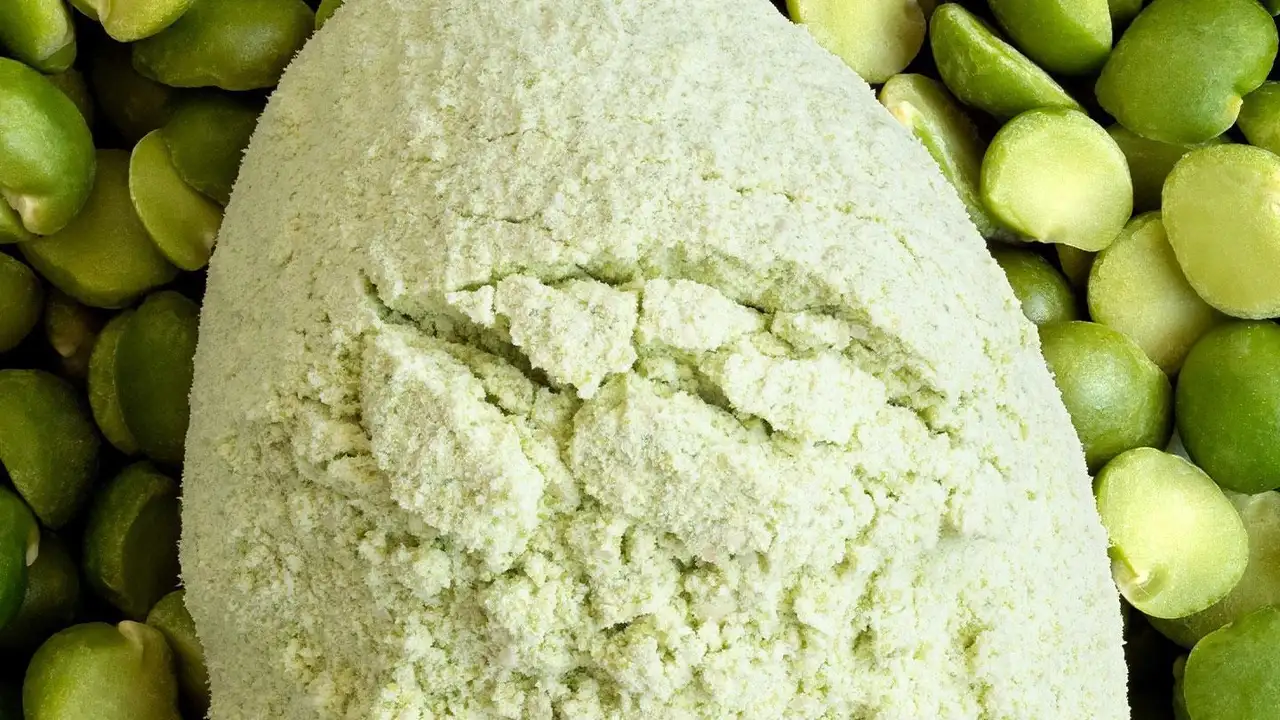
For years, plant proteins were seen as an inferior alternative. Single sources like rice or pea protein were often “incomplete,” lacking in one or more essential amino acids. However, the game changed with the advent of protein blending. Formulators realized that by combining complementary plant sources, they could create a product with a robust and complete amino acid profile. The most common and effective pairing is pea and brown rice protein. Pea protein is rich in lysine but low in methionine; rice protein is the opposite. Together, they fill each other’s nutritional gaps, creating a synergistic blend that offers a complete protein source comparable to animal proteins.
Cracking the Protein Quality Code
The primary argument for whey has always been its superior amino acid profile. But modern plant blends have effectively closed this gap. By combining sources like pea, rice, hemp, and quinoa, manufacturers can create a final product with a balanced array of all nine essential amino acids needed for muscle repair. Studies have shown that these thoughtfully formulated blends can stimulate muscle protein synthesis and support recovery in a way that is comparable to whey. For the end user, this means it's now possible to achieve similar results in muscle growth and strength gains from a plant-based source, provided the serving size and total protein intake are adequate.
Beyond Muscle: Digestibility and Allergens
A significant advantage driving consumers toward plant protein is digestibility. Whey protein contains lactose, a milk sugar that many adults have difficulty digesting, leading to bloating, gas, and general discomfort. Even whey isolates, which have less lactose, can cause issues for sensitive individuals. Plant proteins are naturally dairy-free, lactose-free, and often free from other common allergens like soy and gluten, making them a gentler option for the digestive system. Furthermore, plant protein powders often contain fiber, which can aid digestion and support gut health, an added benefit not typically found in their dairy-based counterparts.
The Sustainability Factor
In an era of increasing environmental consciousness, the production footprint of our food choices matters more than ever. Here, plant-based proteins have a distinct advantage. The production of plant proteins generally requires less water, uses less land, and generates fewer greenhouse gas emissions compared to the dairy industry. For instance, producing pea protein can result in significantly lower carbon emissions than whey protein production. While whey is a byproduct of cheese making, its growing demand places a larger overall strain on dairy farming. For many consumers, choosing a plant blend is not just a health decision but also an ethical and environmental one.