


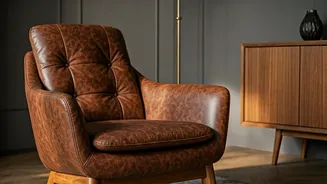


A Story in Every Piece
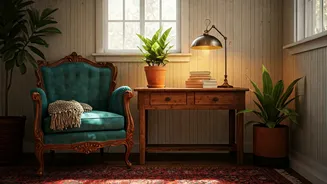
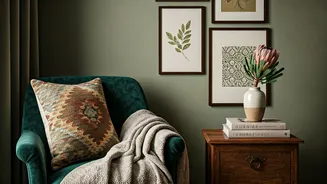
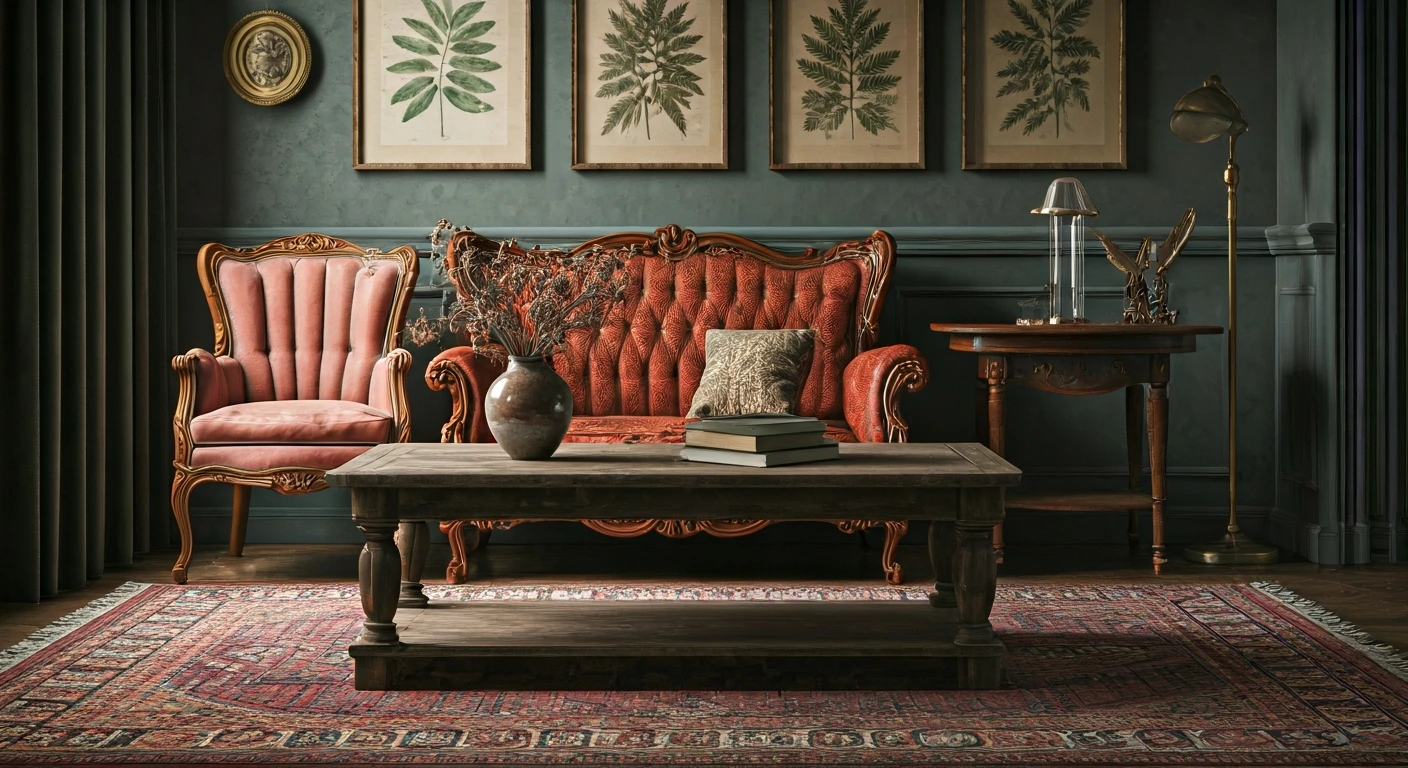
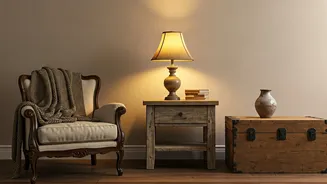
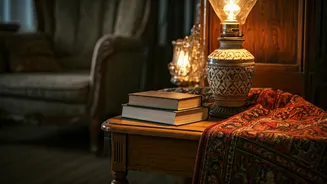
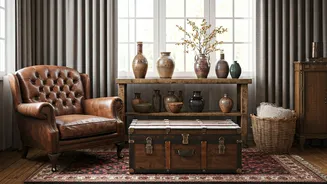
The fundamental difference between a mass-produced item and a vintage find is narrative. A new piece of furniture arrives with a receipt; a vintage one arrives with a history. That patina on a brass lamp, the slight wear on a wooden chair, or the unique
pattern of a discontinued set of dishes—these aren't imperfections. They are tangible evidence of a life lived before joining yours. Incorporating these items into your home is like becoming a storyteller, curating a space that’s layered with meaning, character, and a charm that can't be bought new. While a catalogue interior offers a clean slate, a vintage-filled home provides a rich, ongoing conversation with the past.
The Escape from Design Homogeneity
The problem with catalogue interiors is their very success. When everyone shops from the same handful of big-box stores, homes can start to look eerily similar, creating a homogenous and sometimes boring environment. Personal expression gets lost in a sea of trending items. Vintage décor is the ultimate antidote. By its nature, it offers one-of-a-kind or limited-edition pieces that ensure your space will look like no one else's. It’s an opportunity to reflect your true personality—your quirks, your interests, your unique taste—rather than simply reflecting the current page of a retailer's lookbook. A home should be an autobiography, not a copy of someone else's work.
Quality That Was Built to Last
There's a simple reason why vintage furniture is still around: it was built to endure. Many older pieces were made with superior materials like solid wood and constructed with time-tested techniques such as dovetail joints, a stark contrast to the particleboard and MDF common in today's 'fast furniture'. This modern, mass-produced furniture is often designed with a short lifespan, destined for the landfill within a few years. Investing in vintage is not just an aesthetic choice; it’s a practical one. You're acquiring pieces that have already proven their durability over decades, offering better long-term value than something you'll likely need to replace.
The Most Stylish Form of Sustainability
In an era of increasing environmental awareness, choosing vintage is one of the most impactful sustainable choices you can make for your home. The furniture industry is a massive contributor to landfill waste, with millions of tons being thrown away annually. Opting for a secondhand piece directly reduces demand for new manufacturing, which in turn conserves natural resources like timber and water, and lowers carbon emissions from production and global shipping. Every vintage find you bring home is one less item in a landfill and one less new item that needs to be created, making it a win for your home and the planet.
Creating Your Unique Mix
Embracing vintage doesn't mean your home has to look like a museum or a historical reenactment. The real magic happens when you mix old and new. A sleek, modern sofa can be perfectly complemented by a pair of mid-century armchairs. A minimalist dining table can be brought to life with a set of antique chairs. This blend of styles creates a space that feels curated, dynamic, and deeply personal. It shows a respect for history while still being firmly planted in the present. The key is not to follow a rigid set of rules, but to choose pieces—regardless of their era—that you genuinely love and that tell a part of your story.