





The Two-Track Mind of the Indian Viewer
Indian audiences have developed a sophisticated, two-track approach to consuming video content. It's no longer a battle between short-form and long-form; instead, each format serves a distinct purpose. The day is often punctuated by moments of scrolling
through short, vertical videos on platforms like Instagram Reels, which act as a powerful engine for discovery. This is where new trends, music, products, and even introductions to larger stories are found. Then, for dedicated entertainment, viewers shift to Over-The-Top (OTT) platforms like Netflix, Prime Video, or JioHotstar, often on a larger screen, to immerse themselves in complex narratives and binge-watch series. This dual behaviour reflects a flexible and intentional audience that chooses the format best suited to their context, whether it's a few minutes during a commute or a planned evening of family viewing.
Reels and Shorts: The Ultimate Discovery Engine
Short-form video has become the de facto starting point for content discovery in India. A Meta-commissioned Ipsos study found that 97% of surveyed Indian consumers watch short-form videos daily. Platforms like Reels are algorithmically designed to introduce users to a vast array of content they weren't actively searching for. This 'algorithm-led discovery' is incredibly effective for brands, with reports indicating that 80% of Indian users discover new brands on Meta's platforms. The format’s brevity and high engagement make it the perfect vehicle for a song to go viral, a movie trailer to generate buzz, or a fashion trend to take hold. This initial spark of interest, planted in a 30-second clip, often serves as the top of the marketing funnel, leading users to seek out more in-depth content elsewhere.
OTT: The Destination for Immersive Storytelling
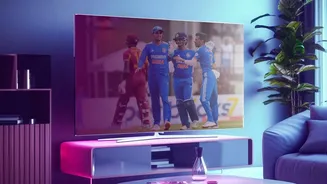
Once a viewer's interest is piqued, their destination for a deeper dive is increasingly an OTT platform. With India's OTT audience growing to nearly 665 million in 2026, these services are the home of premium, long-form storytelling. Viewers intentionally set aside time for this content, with a YouGov report noting that 97% of urban Indians prefer watching OTT content during dinner time, often with family. This represents a different mode of viewing—a lean-back, appointment-based experience rather than the lean-forward, fragmented consumption of short-form video. The significant growth in Connected TV (CTV) users, which surged 60% in the last year to over 200 million, underscores this trend. Indians are moving from a mobile-only market to a two-screen country, using phones for discovery and smart TVs for immersive viewing.
Why This Split? Attention, Context, and Convenience
This dual-consumption pattern is driven by several factors. The most obvious is context. Short videos are designed for the “in-between moments” of life—a commute, a coffee break, or waiting in a queue. They offer a quick hit of entertainment without demanding a significant time commitment. In contrast, a feature film or a multi-episode series requires dedicated attention. The rise of this behaviour doesn't necessarily mean attention spans are shorter; rather, viewers demand a better return on their time. They use short-form content to filter what's worth a longer investment. Furthermore, this dynamic has given rise to intense 'second-screening', where viewers scroll through their phones during ad breaks on their main OTT screen, creating new challenges and opportunities for advertisers who must capture attention across both surfaces.
A New Rulebook for Creators and Marketers
For businesses and content creators, understanding this symbiotic relationship is crucial. A one-size-fits-all approach no longer works. The strategy must be two-pronged: use short-form video for mass awareness and discovery, and long-form content for building brand loyalty and telling richer stories. For example, a clip from a new web series might trend on Reels, driving viewers to the OTT platform to watch the full season. This makes short-form video a vital marketing engine for long-form content. Brands are learning to create campaigns that flow between these two worlds, using Reels to capture initial interest and then directing that engaged audience to a more substantial brand experience, be it a detailed YouTube explainer or a branded show on an OTT service.