





Understanding Evening Heartburn
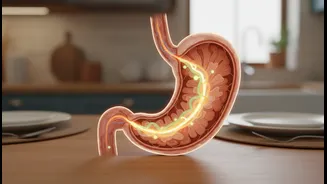
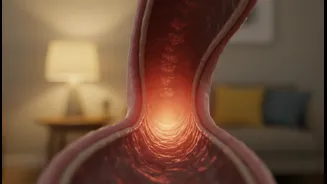
Heartburn, that uncomfortable burning feeling in your chest, is the most common symptom of acid reflux. This occurs when stomach acid flows backward into your esophagus, the tube connecting your throat to your stomach. While occasional heartburn is common,
frequent episodes may indicate gastroesophageal reflux disease (GERD). Symptoms often worsen in the evening or when lying down, which is why your after-dinner habits deserve a closer look. For many, the timing of the last meal of the day is a major factor. Eating a large meal and then reclining on the sofa or going to bed can be a recipe for discomfort.
The Problem with Late-Night Meals
When you eat, your stomach produces acid to begin digestion. If you lie down with a full stomach, you lose the assistance of gravity, which helps keep that acid and food where they belong. This horizontal position makes it much easier for stomach contents to reflux back into the esophagus. Studies have shown that eating within three hours of bedtime is significantly associated with an increased risk of GERD symptoms. One study found that late meals increased nocturnal reflux episodes by a staggering 67% compared to eating four or more hours before sleep. This is because the stomach needs time to empty, and eating late means it's still actively digesting when you lie down.
Your Body Clock and Digestion
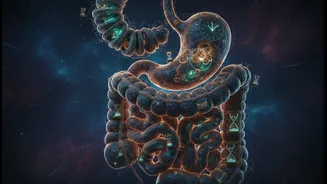
Your body operates on an internal 24-hour cycle known as the circadian rhythm, which influences everything from your sleep-wake cycle to your metabolism. Your digestive system is part of this rhythm. It's primed for activity during the day and naturally slows down at night as your body prepares for rest. This means digestion is generally more efficient earlier in the day. Eating late at night works against this natural clock, forcing your digestive system to work overtime when it's supposed to be winding down. This misalignment can contribute not only to reflux but also to other digestive issues and disrupted sleep.
What the Experts Recommend
Gastroenterologists and dietitians consistently recommend creating a buffer zone between your last meal and bedtime. The general consensus is to stop eating at least three to four hours before you plan to lie down for the night. This allows your stomach ample time to digest and significantly empty its contents, reducing the amount of acid and the volume of food available to cause reflux. It’s not just about dinner, either. Late-night snacking, especially on high-fat, spicy, or acidic foods, can also trigger symptoms.
Tips for Shifting Your Meal Schedule
Adjusting your eating schedule might seem challenging, but it can be done with a few practical strategies. Try making your lunch the largest meal of the day and having a smaller, lighter dinner. If you work late, plan ahead by packing a healthy meal to eat earlier rather than waiting until you get home. If hunger strikes in the evening, opt for a small, easily digestible snack like a banana or a handful of almonds instead of a full meal. Also, focus on eating smaller, more frequent meals throughout the day to avoid becoming overly hungry in the evening, which can lead to overeating. Slowing down and chewing your food thoroughly can also improve digestion and help you feel full with less food.