




The Problem with Polished White Rice
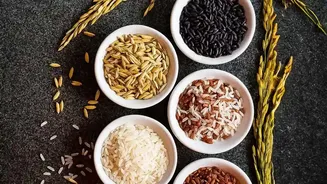
Polished white rice is a staple for a reason: it’s versatile, quick-cooking, and familiar. However, the polishing process that gives it a soft texture and long shelf life also strips away the bran and germ. This removes most of its dietary fiber, protein,
and essential minerals like iron and magnesium, leaving behind a simple starch. This can lead to rapid spikes and crashes in blood sugar, leaving you feeling tired and hungry again soon after a meal. Its high glycemic index (GI) of around 73 makes it a less-than-ideal choice for daily consumption, especially for those managing blood sugar levels.
Meet the Millet Champions: Foxtail and Sorghum
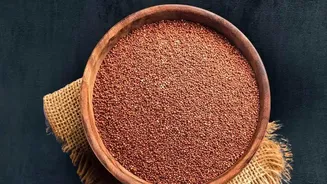
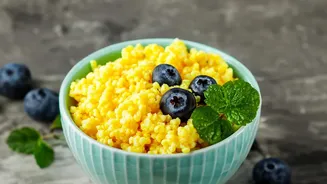
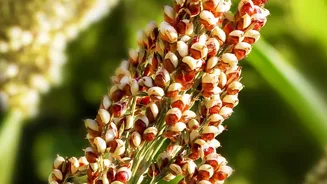
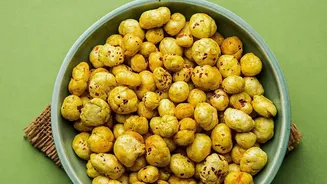
Enter foxtail millet (kangni/thinai) and sorghum (jowar). These ancient Indian grains are nutritional powerhouses that are making a well-deserved comeback. Naturally gluten-free, these millets are packed with the nutrients that white rice lacks. Foxtail millet, known for its small, yellow grains and slightly nutty taste, has been cultivated for thousands of years. Sorghum, a staple across many parts of India, is celebrated for its versatility and resilience as a crop, requiring less water than rice. Both are considered 'smart foods' for their ability to deliver robust nutrition and adapt to diverse culinary uses.
Nutrition at a Glance: Millets vs. White Rice
The nutritional difference is stark. Foxtail millet contains roughly 8 to 12 grams of protein per 100g, nearly double the 6.8 grams found in white rice. Sorghum also offers a significant protein advantage. But the most dramatic contrast is in the fiber content. Polished white rice contains a mere 0.3g of fiber, while foxtail millet provides around 8g. This incredible fiber boost is crucial for digestive health, keeping you feeling full longer and aiding in weight management. Millets also have a much lower glycemic index; foxtail millet's GI is around 50, while sorghum's is even lower, helping to maintain stable blood sugar and energy levels.
Beyond Fiber: A Wealth of Health Benefits
The advantages of switching to millets extend far beyond fiber. They are significantly richer in essential minerals. Foxtail millet contains about three times more calcium and four times more iron than white rice, minerals critical for bone health and preventing anemia. These grains are also packed with magnesium and antioxidants, which support heart health by helping to manage cholesterol and blood pressure. The complex carbohydrates and high protein in millets contribute to sustained energy release, preventing the afternoon slump often associated with high-carb, low-fiber meals.
Making the Switch: How to Cook Foxtail and Sorghum
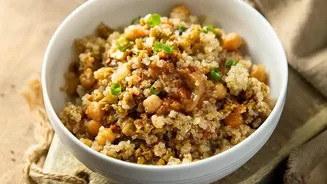
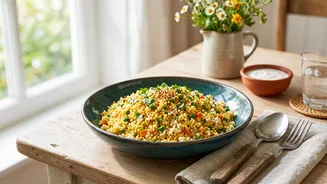
Adopting these millets is easier than you think. They can be cooked just like rice and used in your favourite dishes. For fluffy foxtail millet, a good rule of thumb is a 1:2 ratio of millet to water. Always rinse the grains thoroughly and soak them for at least 30 minutes to an hour; this improves digestion and texture. You can then cook it in a pot or pressure cooker. Use it to make a simple millet 'rice' to serve with dal or curries, or try it in dishes like upma, pulao, or khichdi. Sorghum can be cooked whole like rice, or its flour can be used to make rotis and bhakris, offering a nutritious alternative to wheat.