



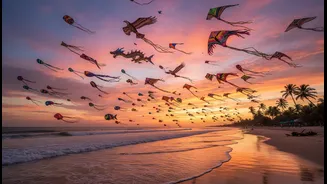


An International Spectacle on the Coast
The Tamil Nadu International Kite Festival has quickly become a highlight on the state's cultural calendar, attracting professional kite flyers and enthusiasts from across the globe. Organized by Global Media Box in collaboration with the Department of Tourism,
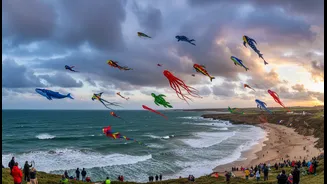
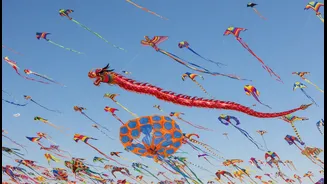
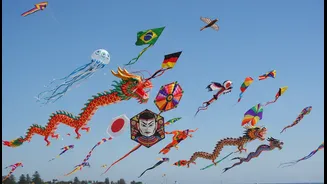
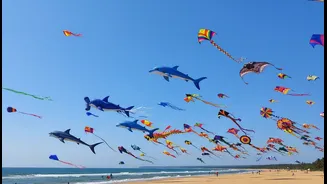
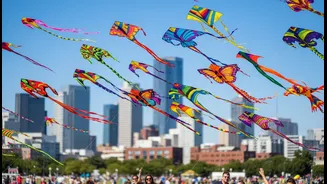
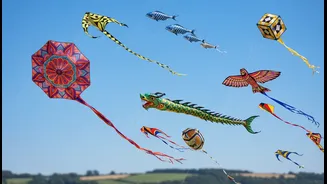
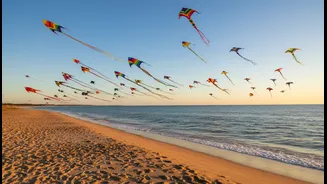
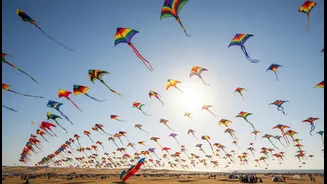
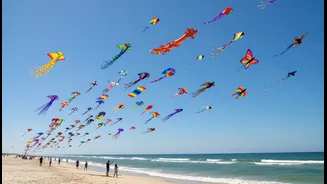
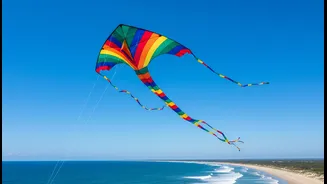
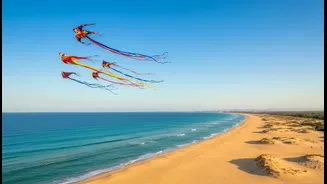
the event is a grand celebration of creativity held against the stunning backdrop of the Bay of Bengal. Each year, teams from countries like France, Germany, Thailand, and Vietnam join Indian experts to fill the sky with hundreds of vibrant, massive kites. The festival often features themes, such as 'Save Marine Life', with kites shaped like dolphins, octopuses, and other sea creatures dancing in the wind. It’s a visual feast that has established Mahabalipuram as a key destination on the international kite festival circuit.
Festival Timings and Schedule
Typically held over the long weekend for India's Independence Day, the festival is a multi-day affair. For 2026, the fifth edition is scheduled to run from August 14 to August 17. Gates generally open to the public in the afternoon, around 3:00 PM, and the festivities continue until about 9:00 PM. The main kite flying happens throughout the afternoon, with special acrobatic displays often scheduled in 15-minute segments. As dusk falls, the spectacle continues with mesmerizing LED kite shows that illuminate the night sky, often followed by fireworks. Evenings are packed with energy, featuring live music concerts and DJ sets that begin around 6:30 PM.
A Perfect Family-Friendly Getaway
The festival is designed as a complete family carnival. Beyond the main kite show, the sprawling 14-acre venue at Thiruvidanthai Beach on the East Coast Road (ECR) hosts a multitude of activities. Families can explore a dedicated kids' carnival, numerous food stalls offering local and varied cuisine, and shopping zones. Organizers have emphasized making it an event for family bonding, with activities like kite-making workshops, face painting, and kids' talent shows featured in past editions. The combination of the magnificent kites, live entertainment, and a carnival atmosphere makes it an engaging outing for visitors of all ages.
Beach Access and Venue Details
The festival is an open-air event held right on the beach, offering an authentic coastal experience. The venue is typically the TTDC Ocean View or Thiruvidanthai Beach in Mahabalipuram. Attendees should note that tickets are for general entry, which is a standing-only zone. There is no reserved seating provided with standard tickets, so visitors are encouraged to come prepared for a beach event. This means bringing your own beach mats, umbrellas, or foldable chairs to comfortably enjoy the hours-long spectacle. VIP tickets may offer access to a dedicated area closer to the music stage, but these are also typically standing zones.
Expected Weather Conditions
August in Mahabalipuram is typically hot and humid. Visitors should expect daytime temperatures to range from a high of around 33-35°C, with nighttime lows around 26-27°C. While there are many hours of sunshine, August is also part of the monsoon season, so there is a reasonable chance of rain. Historical data suggests around 7 to 8 days of rain during the month, with showers that can be quite intense rather than just a light drizzle. It’s wise to pack light, breathable clothing, hats, and sunscreen for the sun, but also to carry a light rain jacket or umbrella in case of a sudden downpour.
The Main Caveat: Plan and Prepare
The primary caveat for attending the TNIKF is the need for careful planning, especially concerning tickets and on-site comfort. Tickets are sold per person, per day, with children under 12 often getting free entry. It is highly advisable to book tickets online in advance, as on-site tickets are usually more expensive. Another key point is that outside food and drink are not allowed. Since the event is open-air with no provided seating for general admission, comfort is a personal responsibility. Prepare for crowds, especially during the evening music performances. The kites themselves are tethered and fly at a low altitude for safety, ensuring no harm to birds or animals.