


First, What is Palaeoscience?
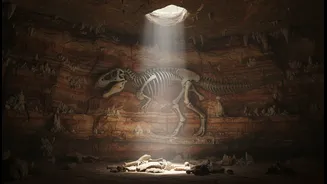
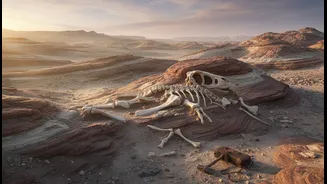
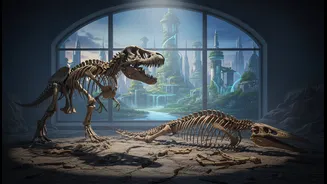
Before we get to the movies, let's break down the main star: palaeoscience. If your mind immediately jumps to dinosaurs, you're not wrong, but you're only seeing a tiny piece of the puzzle. Palaeoscience is the study of life in the geologic past. It's
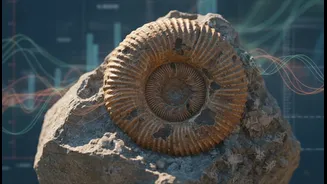
a vast field that includes palaeontology (the study of fossils), but it also covers ancient climates, the evolution of plants, and the deep history of our planet. Think of it as Earth's biography. Scientists in this field use everything from fossilized leaves and animal bones to microscopic pollen and geological data to piece together the epic story of our world, long before humans started writing things down. It's the ultimate detective story, revealing clues about extinction events, climate change, and the origins of life itself.
A Groundbreaking New Festival
Enter PRITHVI 2026, a landmark event set to be held in Lucknow from July 23-25. Organized by the prestigious Birbal Sahni Institute of Palaeosciences (BSIP), this is not just India's, but Asia's, first film festival dedicated entirely to palaeoscience and earth sciences. The festival aims to bridge the gap between scientists and the public by using the power of film. Organizers have invited entries from professional filmmakers, students, and scientists themselves in categories like documentaries, animation, and even science fiction. The vision is clear: to translate complex scientific research about our planet's history and environment into compelling visual stories that everyone can understand and connect with.
Why Tell These Stories Through Film?
Science can sometimes feel distant, locked away in academic journals and complex data sets. A film festival like PRITHVI 2026 changes that. Cinema has a unique ability to make science accessible, emotional, and unforgettable. Imagine watching a documentary that doesn't just tell you about climate change but shows you its roots in Earth's deep history, or an animated film that brings a prehistoric ecosystem vividly to life. This is the core idea of science communication: sharing the excitement of discovery with a wider audience. By turning research into narratives, the festival helps make science meaningful and relevant to our everyday lives, which is a crucial step in building a scientifically aware society.
Your Story, Millions of Years Old
For young Indians, this event is more than just an academic curiosity. It’s an invitation to connect with the nation's own deep heritage. The Indian subcontinent has a rich and unique palaeontological history, from the dinosaurs that roamed its lands to the evolution of its unique ecosystems. This festival is a platform to tell those stories—our stories—on a grand scale. It's an opportunity to see how the land we live on has transformed over millions of years. Furthermore, the festival's focus on public engagement aligns with a constitutional duty to develop a scientific temper and spirit of inquiry. It’s a creative step toward fostering a generation that is not just a consumer of information, but an active participant in understanding it.
The Future of India's Past
So, what should you, as a young Indian, take away from this? First, a sense of excitement. Fields like palaeoscience are not just about the past; they are vital for our future, informing everything from resource management to climate policy. Second, this festival signals a new frontier of opportunity. It highlights the growing importance of science communication as a career path, blending creative skills with scientific knowledge. Whether you're an aspiring filmmaker, a budding scientist, a writer, or a designer, there's a role for you in telling these crucial stories. The festival will include masterclasses, panel discussions, and workshops, creating a space for learning and networking with leading experts. This is a chance to see how your passion for storytelling can intersect with your curiosity about the world.