






The End of the Food Coma
For years, summer eating in many parts of the world, including India, meant hearty, often heavy, celebratory meals. Think rich marinades on grilled meats and paneer, creamy curries, and dense, sugary desserts. While delicious, they often came with an unwelcome
side effect: the post-meal slump, a feeling of lethargy that’s especially draining in the sweltering heat. Now, a collective desire for food that energises rather than exhausts is reshaping our summer plates. Chefs, home cooks, and food lovers are embracing a new philosophy where indulgence is measured not by richness, but by freshness, vibrancy, and a feeling of light satisfaction.
Why We're Craving the Chill
This shift isn’t just about avoiding the heat; it’s driven by several converging trends. Firstly, the wellness movement has made us more aware of how food affects our bodies. We’re seeking out dishes that are hydrating, packed with nutrients, and easy to digest. Secondly, there’s a growing appreciation for global cuisines that have long mastered the art of light summer eating. Think Japanese sashimi, Peruvian ceviche, and Spanish gazpacho. These dishes prove that 'light' doesn't mean 'boring'. Finally, there's the simple, intuitive logic that in hot weather, cool food just feels better. It’s a return to a more natural way of eating in sync with the season.
Beyond the Basic Salad
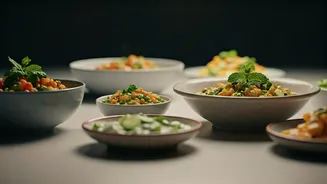
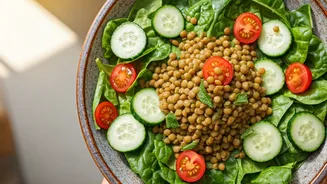
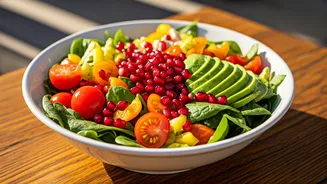
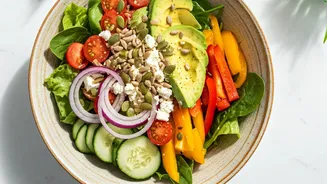
When we say 'lighter meals', we're not just talking about a bowl of lettuce. The modern light summer meal is complex, flavourful, and deeply satisfying. Chilled soups are a perfect example, moving beyond tomato gazpacho to include white versions like 'ajoblanco' (a Spanish almond and garlic soup) or vibrant cucumber-avocado blends. Raw fish preparations like crudo and ceviche, seasoned with citrus and herbs, are becoming restaurant staples. At home, grain bowls are being reinvented with cooling ingredients like cucumber, mint, and yogurt-based dressings. Even traditional Indian concepts are getting a modern twist, with complex raitas and pachadis featuring exotic fruits and herbs, serving as light lunch centrepieces rather than just side dishes.
Sipping on Something New
The revolution extends to our glasses. Sugary, artificially flavoured soft drinks and heavy, high-alcohol beers are making way for more sophisticated, refreshing alternatives. The non-alcoholic beverage scene has exploded with creativity. Think artisanal kombuchas, cold-brew teas infused with botanicals, and mocktails that use fresh fruit purées, herbal syrups, and sparkling water to create drinks as complex as any cocktail. Even cocktails themselves are getting lighter, with a focus on low-ABV spirits, spritz-style drinks, and fresh, natural ingredients over sugary mixers. The goal is the same: maximum refreshment with minimum heaviness.
Dessert Gets a Refreshing Makeover
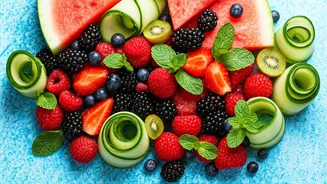
Perhaps the most welcome change is in the world of desserts. The idea that a summer meal must end with a dense chocolate cake or a super-creamy, high-fat ice cream is fading. Instead, fruit is taking centre stage. We’re seeing an increase in elegant, fruit-forward desserts like sorbets made from fresh mangoes or lychees, delicate pavlovas topped with berries and light yogurt cream, and even simple bowls of chilled stone fruit drizzled with honey and sprinkled with mint. Frozen yogurt is making a comeback, this time with healthier toppings. This new approach to dessert offers a sweet finish that cleanses the palate and leaves you feeling refreshed, not weighed down.