





What is Lunar Infrastructure?
When we talk about lunar infrastructure, it’s not just about habitats. Think of it as the fundamental systems needed to support any settlement: power, communication, and transportation. This includes creating a reliable power grid, potentially using solar
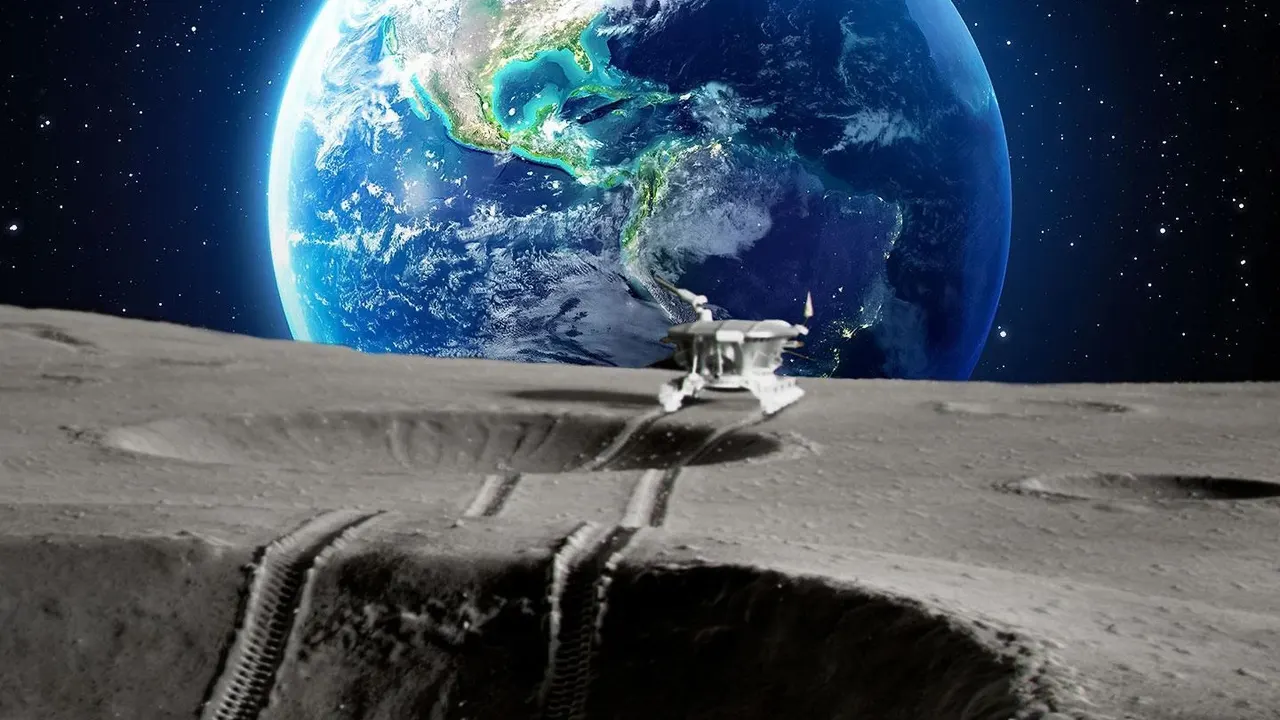
or even small nuclear fission systems, to survive the 14-day lunar nights. It also means setting up a dedicated communications network, like a lunar 5G system, so astronauts, rovers, and landers can communicate in real-time without relying solely on a connection to Earth. Finally, it involves building landing pads to manage dust, pathways for vehicles, and developing a fleet of rovers capable of transporting both crew and heavy cargo across the lunar surface. These elements are the building blocks for the Artemis Base Camp, NASA's vision for a sustained outpost at the Moon's South Pole.
The Robotic Vanguards
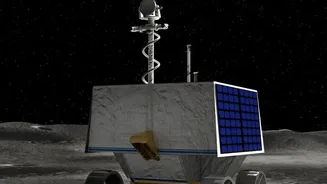
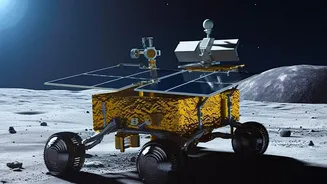
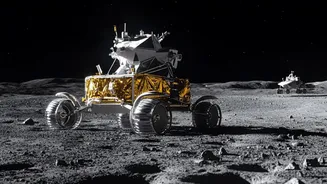
Before astronauts can build a long-term home, robots must do the heavy lifting. This is where NASA's Commercial Lunar Payload Services (CLPS) initiative comes in. Through this program, NASA contracts private companies like Astrobotic, Intuitive Machines, and Firefly Aerospace to deliver science and technology payloads to the Moon. These missions are not just one-off science experiments; they are foundational. For instance, Astrobotic's Griffin lander is slated to deliver a rover called FLIP to test mobility systems for future 'moon buggies' that astronauts will drive. Blue Origin's Blue Moon lander will demonstrate precision landing capabilities, crucial for building a base in a specific location. Another mission by Firefly Aerospace will land on the far side of the Moon, a first for the U.S., carrying payloads to test technologies for future habitation. Each robotic landing and rover deployment provides critical data on the environment and proves the technologies needed to build a larger, more permanent infrastructure.
Paving the Way for People
The primary goal of this robotic groundwork is to make future crewed missions safer and more productive. The Artemis program aims to land astronauts on the Moon again, with Artemis IV and V scheduled for 2028, marking the beginning of a steady stream of missions. The plan is to shift from short visits to sustained operations. The rovers being tested now will evolve into the Lunar Terrain Vehicles (LTVs) and habitable mobility platforms that will allow astronauts to explore farther and work for longer periods. Data from CLPS missions on rocket plume interactions with lunar soil will inform the construction of landing pads that prevent hazardous dust from damaging equipment. By using robots to scout for resources like water ice and test power generation, NASA and its partners are reducing the risks for human explorers and ensuring they have the tools they need when they arrive.
A Global Effort with Indian Partnership
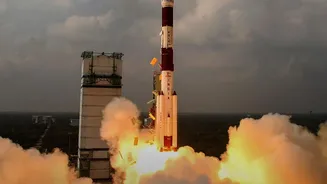
This monumental task is not being undertaken by one nation alone. The Artemis Accords have created a framework for international cooperation, with dozens of countries signing on to participate in peaceful lunar exploration. This global coalition includes contributions from the European Space Agency (ESA), Japan (JAXA), and Canada (CSA), who are providing robotics, habitat modules, and other critical hardware. Significantly, following the success of Chandrayaan-3, India has emerged as a key partner. NASA has formally invited ISRO to participate in the Moon Base program. This collaboration builds on existing partnerships like the NISAR satellite mission and aligns with India's own ambitions, which include a crewed lunar landing by 2040 and the Chandrayaan-4 sample return mission. This positions India not just as a participant, but as a pivotal nation in shaping the future of the lunar economy and exploration.