





The Magic of a Shared Experience
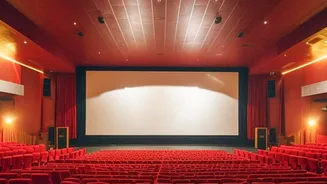
A film's journey into cultural legend begins not on a 6-inch phone screen, but in a darkened theatre. The power of a theatrical release lies in its communal nature. Watching a film with hundreds of strangers—sharing laughter during a comedy, gasps during a thriller,
or a collective sigh in a romance—creates a powerful, unified memory. This 'participatory viewing' is something a solo streaming session simply cannot duplicate. It's the difference between hearing a joke and being part of an audience erupting in laughter. This shared experience is the first and most vital ingredient in transforming a movie from mere content into a cultural event.
Turning a Release into an Event
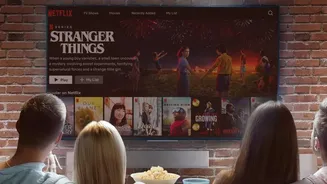
Theatrical releases are built around hype and anticipation. The carefully managed marketing cycle, the advance bookings, the 'first day, first show' frenzy, and the subsequent weekend box office reports all contribute to a sustained national conversation. This process makes the film feel important and urgent. In contrast, an OTT release is a 'drop'. It appears on a platform, often with thousands of other titles, creating a steeper challenge for discoverability. While it offers incredible accessibility, it struggles to generate the same sense of occasion. As filmmaker Karan Johar has noted, streaming platforms themselves see immense value in films that have already created a theatrical 'havoc', because the cinema run acts as a massive, unparalleled marketing campaign.
The Public Stamp of Success
Box office numbers, for all their flaws, are a clear and public metric of success. A '100-crore hit' is a cultural benchmark that everyone understands. It solidifies a film's place in the public consciousness and fuels the careers of its stars. Success on OTT, however, is often opaque. Platforms rarely release concrete, comparable viewership data, and the constant churn of 'Top 10' lists can make it hard to gauge a film's true impact. A theatrical success is a public declaration; an OTT hit can feel like a private victory. This public validation is crucial for a film to become part of the cultural lexicon, influencing trends and dialogue for years to come.
A Ripple Effect on Culture
The cultural footprint of a theatrical blockbuster extends far beyond the cinema. Its songs dominate radio waves and parties, its dialogues become memes, and its fashion inspires trends. This organic spread is amplified by the sheer event-driven nature of a cinema release. Because everyone is talking about the film at the same time, it permeates other areas of pop culture. While OTT has given a platform to niche and experimental stories, it's the theatrical blockbusters that still hold the most power to shape and reflect mainstream Indian culture. The cinema remains the most powerful engine for creating these widespread cultural ripples.
A Symbiotic Relationship, Not a Battle
This is not to say that OTT is irrelevant. Streaming platforms have been a lifeline for smaller films, documentaries, and stories that might never have found a theatrical audience. They offer creative freedom from the box-office pressures that can sometimes stifle innovation. Furthermore, OTT provides a crucial second life for theatrically released films, allowing them to be discovered by new audiences long after their cinema run. The ideal model is not one versus the other, but a symbiotic relationship. A strong theatrical release establishes a film's cultural importance, and a subsequent OTT release ensures its longevity and accessibility. The two formats are increasingly seen as coexisting, each serving a different but vital purpose in a film's overall journey.