






An End to Unwanted Interruptions
For too long, the experience of falling behind on a loan payment was often followed by aggressive and relentless pursuit from recovery agents. Calls at all hours, public shaming, and threats were common complaints. Recognizing the need to protect consumers,
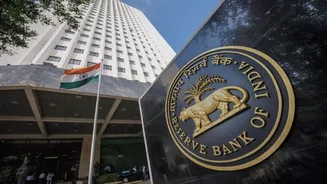
the Reserve Bank of India (RBI) has consolidated and strengthened the rules governing loan recovery. A comprehensive new framework, set to be effective from January 1, 2027, aims to bring fairness, transparency, and accountability to the entire process. These guidelines make it clear that while lenders have a right to recover their dues, it cannot be at the cost of a borrower's dignity and privacy.
The 8 AM to 7 PM Rule
A cornerstone of these regulations is the strict timeline for communication. Recovery agents are permitted to contact borrowers, whether by phone call or physical visit, only between 8:00 AM and 7:00 PM. This rule has existed in the Fair Practices Code for some time but is now being enforced with greater rigour under the new consolidated framework. The new directions prohibit any attempts to contact you outside of this window, which includes persistent calls, messages, or visits during late-night or early-morning hours. The RBI has explicitly stated that bothering borrowers at odd hours constitutes harassment.
The Real Power of Your Consent
This brings us to the most crucial lesson for consumers in the new framework: the power of consent. The 8 AM to 7 PM rule is not absolute, but the only person who can change it is you. The RBI’s guidelines explicitly state that any communication outside these designated hours is only permissible with the borrower's prior request or explicit consent. This means a bank or its agent cannot simply decide to call you at 9 PM because it's convenient for them. You must have clearly agreed to be contacted at that specific time. This shifts the dynamic significantly. Without your express permission, any call or visit outside the standard hours is a direct violation of RBI guidelines.
What 'Explicit Consent' Means for You
It's important to understand that 'consent' here is not passive. It cannot be buried in the fine print of a loan agreement you signed years ago. It means a specific agreement for a specific instance. For example, if you tell an agent, "I am busy now, please call me back at 8:30 PM," that constitutes explicit consent for that particular call. However, it does not give them a free pass to call you after 7 PM every day. The new framework also requires banks to record and preserve telephonic conversations between agents and borrowers for at least six months, adding a layer of accountability and proof. This ensures any disputes about consent or harassment can be verified.
Know Your Rights and How to Act
If a recovery agent violates these rules, you have a clear path for recourse. First, you should file a complaint with the lender's dedicated grievance redressal mechanism. Banks are now directly responsible for the conduct of their recovery agents, and they cannot pass the blame. The agent must also carry a valid ID card and an authorisation letter that includes the contact details for the bank's grievance officer. If the lender fails to address your complaint satisfactorily, you can escalate the matter to the RBI Ombudsman. The rules also prohibit other coercive practices, including using abusive language, threatening you, contacting your family or friends, or shaming you on social media.